The dream of fully renewable, round-the-clock power is becoming a reality. With the rise of next-generation solar plants capable of storing energy for up to 100 hours, solar energy is evolving from a daytime resource to a constant, reliable power source.
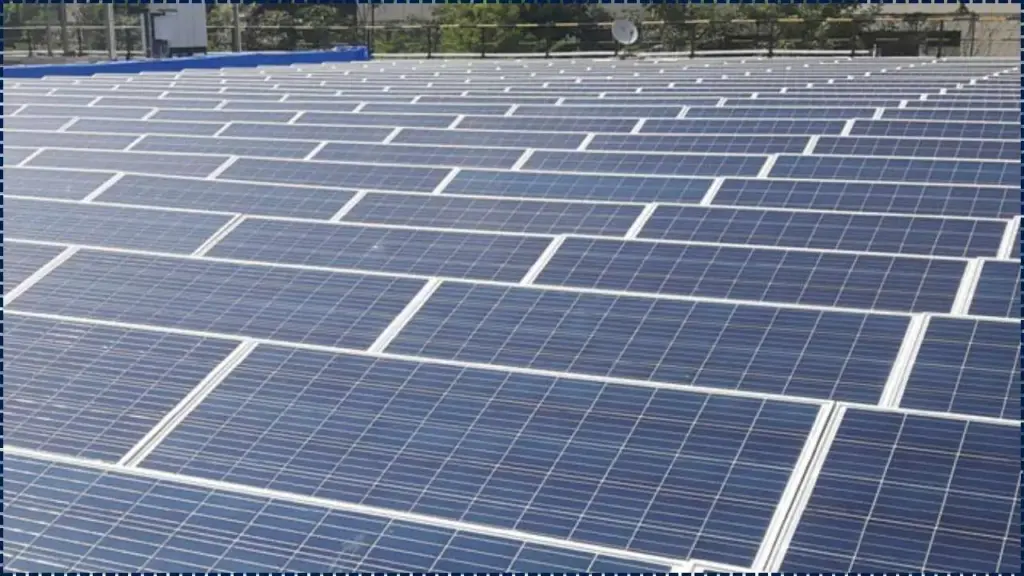
This leap in energy storage could eventually power entire cities without reliance on fossil fuels. As solar power takes the lead in global energy transition efforts, these innovations mark a pivotal moment in the race to combat climate change and ensure energy security worldwide.
The Challenge of Solar Power’s Intermittency
While solar power is abundant and renewable, it faces a critical limitation: intermittency. Solar panels produce electricity only during the day when the sun is shining, which leaves vast gaps in energy supply during the night or cloudy weather.
Historically, energy storage solutions—such as lithium-ion batteries—have provided short-term solutions, but these can only store energy for a few hours, making them unsuitable for maintaining consistent, long-duration power.
To meet the demand for 24/7 power, researchers and companies worldwide are developing next-generation solar plants with advanced storage technologies that can store energy for 100 hours or more. These innovations are designed to bridge the gap between solar generation and demand, providing reliable, sustainable power even when the sun isn’t shining.
Key Technologies Enabling 100+ Hour Energy Storage
The key to evolving solar plants into 24/7 power plants lies in advancements in long-duration energy storage (LDES) technologies. Unlike traditional short-term storage systems, LDES can hold energy for several days, providing flexibility and stability to solar power. Here are some of the most promising technologies pushing the boundaries of energy storage.
Iron-Air Batteries: The Long-Term Solution
One of the most exciting developments in LDES is iron-air batteries. These batteries work by using iron and oxygen in a reversible rusting process to store and release energy. According to researchers at the Massachusetts Institute of Technology (MIT), iron-air batteries can store energy for up to 100 hours, far surpassing traditional lithium-ion batteries’ capabilities.
Iron-air systems are particularly appealing due to their low cost and the abundance of iron, making them an economically viable solution for large-scale energy storage.
Google, in partnership with researchers and developers, is already implementing iron-air battery storage as part of its renewable energy projects, aiming to ensure a consistent power supply to its data centers.
Thermal Energy Storage: Harnessing Heat for Later Use
Another breakthrough in energy storage involves thermal storage systems. Rather than storing electricity, these systems store heat, which can be converted back into electricity later. Solar power plants use concentrated solar power (CSP) technology to generate heat during the day and store it in materials like molten salt or sand. At night, this stored heat can be released to generate power.
For example, the Crescent Dunes Solar Energy Facility in Nevada uses molten salt to store solar energy for up to 10 hours, but new research is extending this capacity to 100 hours.
Companies like BrightSource Energy are also investigating sand-based storage systems, which store heat for several days and can help provide power during extended periods without sunlight.
Liquid Air Energy Storage: Compressing Air for Long-Duration Use
Another innovative approach to energy storage is liquid air energy storage (LAES), which uses compressed air stored in insulated tanks. During periods of surplus solar generation, air is compressed and stored in liquid form.
When energy demand rises, the air is allowed to expand, driving turbines to generate electricity. LAES systems have the potential to store large amounts of energy for up to 100 hours and can be built at a variety of scales.
Several projects are already in development, including Highview Power’s facility in the UK, which aims to provide 24/7 renewable power by storing energy for multiple days at a time.
Molten Silicon Storage: A New Frontier
Emerging technologies in molten silicon energy storage aim to store energy using silicon’s phase change. Researchers at the University of Cambridge have pioneered this technology, which involves heating silicon to extreme temperatures (over 1400°C) and storing the energy in the form of heat.
This system is capable of storing energy for several days—up to 100 hours—and has the potential to revolutionize long-duration storage. Silicon-based storage systems are still in the pilot phase, but they promise to be both highly efficient and scalable, with applications for large industrial and city-wide energy systems.
Large-Scale Deployments: Solar Plants with Long-Duration Storage
These technologies aren’t just theoretical; they are already being integrated into real-world projects.
The Noor Ouarzazate Solar Complex (Morocco)
One of the world’s largest solar complexes, the Noor Ouarzazate in Morocco, is using CSP technology with molten salt storage to provide 24-hour electricity. The plant stores solar energy during the day and releases it at night, supplying power to approximately 2 million people.
As of recent expansions, Noor Ouarzazate has boosted its storage capabilities, pushing the plant’s ability to store energy for longer periods, moving closer to the 100-hour goal.
The Sandstone Energy Project (U.S.)
In the United States, the Sandstone Energy Project is using an experimental system that involves storing heat in large sand beds, which can retain energy for several days. This project aims to develop 100+ hour energy storage, providing a constant supply of solar power to the grid during off-sun hours.
Additional Key Projects and Investments
The South Australian Energy Storage Project
A significant step forward in energy storage came with South Australia’s 100 MW Tesla Big Battery—currently the largest lithium-ion battery in the world. However, while this battery stores energy for several hours, the focus is shifting to longer-term solutions.
Upcoming projects in the region are exploring pumped hydro storage as well as molten salt technologies, promising longer-term energy storage solutions for more consistent power.
China’s Green Solar Storage Hub
China is rapidly expanding its green energy sector, with projects like the Tengger Desert Solar Park, which is integrating both solar generation and long-duration storage. This facility, along with similar ventures in Qinghai, will incorporate thermal and iron-air storage systems to provide multi-day energy storage.
As China invests heavily in energy storage, it is positioning itself to become a global leader in 24/7 renewable energy.
Is the Federal Solar Portal Still Open? Checking the 2026 Status of the Greener Homes Initiative
The Future of Solar Energy Storage
The ability to store solar energy for over 100 hours is expected to be a game-changer for both global energy markets and environmental goals. With these technologies, solar energy can be integrated into power grids as a reliable, sustainable energy source that does not require backup from fossil fuels.
Experts believe that long-duration storage will play a vital role in the decarbonization of global economies, allowing countries to phase out fossil fuels and replace them with clean energy sources like solar, wind, and hydro.
According to Dr. Emily Tanner, a senior energy analyst at the International Renewable Energy Agency (IRENA), “The integration of large-scale energy storage with solar power will allow regions to become more resilient in the face of climate change while also reducing greenhouse gas emissions.”
Related Links
The Next Multi-Million Dollar Business Idea? Why Solar Waste Recycling is the Future of Wealth
A Renewable Future
As solar plants evolve with advanced energy storage systems capable of powering cities for 100 hours or more, the dream of 24/7 renewable power is becoming increasingly achievable. These innovations in long-duration energy storage will be critical in meeting global energy needs and ensuring a sustainable, low-carbon future.
With continued research and investment, solar energy could soon provide reliable, cost-effective power to the world’s most populous cities, regardless of the time of day or weather conditions.
FAQs
1. How long can solar plants store energy?
New technologies enable solar plants to store energy for up to 100 hours or more, providing continuous power even at night or during cloudy periods.
2. What is the primary challenge with solar energy?
Solar energy’s main challenge is its intermittency, meaning it is only available when the sun shines. Long-duration storage solutions aim to solve this problem by storing excess energy for later use.
3. What are iron-air batteries, and why are they important?
Iron-air batteries are a type of long-duration storage system that can store energy for up to 100 hours using an iron and oxygen reaction. They are cheap, scalable, and could be pivotal in storing solar energy for large-scale use.