New 2026 IRS solar tax refund guidelines are clarifying how homeowners can claim federal tax credits for solar energy systems installed before recent policy changes. The updated guidance explains documentation requirements, filing procedures, and eligibility deadlines for renewable energy credits.

Tax professionals say the clearer instructions could simplify the filing process and reduce errors that previously delayed refunds for solar-related tax claims.
Solar Tax Refund Processes
| Key Fact | Detail |
|---|---|
| Solar credit value | Residential solar systems qualified for a 30% federal tax credit |
| Required filing form | Taxpayers must use IRS Form 5695 to claim residential energy credits |
| Eligibility deadline | Systems must be installed before December 31, 2025 |
| Credit structure | Solar tax credit reduces tax liability and unused amounts can carry forward |
Understanding the 2026 IRS Solar Tax Refund Guidelines
The 2026 IRS solar tax refund guidelines are designed to clarify how taxpayers claim renewable energy tax credits during the current filing season. According to the Internal Revenue Service, homeowners must use Form 5695, Residential Energy Credits, to calculate the value of solar tax incentives associated with qualifying installations.
The form allows taxpayers to report expenses related to renewable energy systems such as:
- Solar photovoltaic panels
- Solar water heating systems
- Small wind turbines
- Fuel cells
- Energy storage systems
Once the credit amount is calculated, it is transferred to Schedule 3 of Form 1040, where it reduces the taxpayer’s total federal tax liability. Tax professionals say this clearer process helps ensure taxpayers correctly apply renewable energy incentives when filing their returns.
Background: The Residential Clean Energy Credit
The solar tax incentive available to homeowners was formally called the Residential Clean Energy Credit. The program allowed homeowners to deduct 30% of the total cost of installing solar systems from their federal income taxes.
Qualified expenses included:
- Solar panels and mounting equipment
- Electrical components and inverters
- Installation labor costs
- Battery storage systems connected to solar arrays
Unlike rebates, the tax credit reduces the amount of tax owed rather than providing a direct payment. Energy policy analysts say the credit helped accelerate solar adoption in the United States over the past decade.
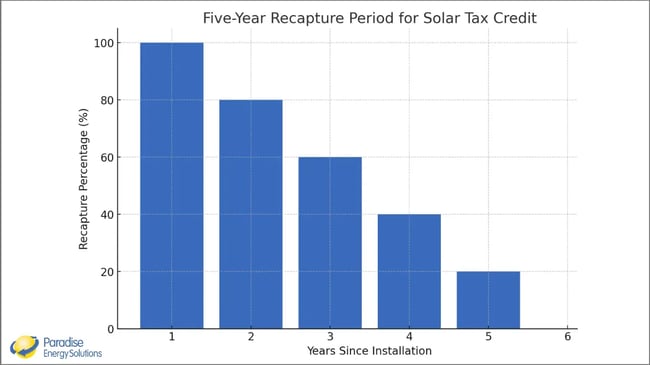
Major Policy Change Affecting 2026 Tax Filings
A major factor shaping the 2026 solar tax filing season is the expiration of the residential solar tax credit for new installations. Federal legislation passed in 2025 ended the Section 25D solar tax credit for systems installed after December 31, 2025. This means:
- Homeowners who installed solar systems before the deadline can still claim the credit.
- Installations completed after January 1, 2026 generally do not qualify under current federal rules.
Tax experts say this change led to a surge in solar installations during 2025 as homeowners rushed to meet the eligibility deadline.
How the Solar Tax Credit Works
Solar tax credits function differently from traditional tax refunds. Instead of issuing direct payments, the credit reduces the taxpayer’s federal income tax liability. For example:
- A homeowner installs a solar system costing $20,000.
- The 30% credit equals $6,000.
- If the homeowner owes $4,000 in taxes, the credit reduces the tax bill to zero.
If the credit exceeds the tax owed, the remaining amount can be carried forward to future tax years. This carryforward provision allows taxpayers to eventually claim the full value of the credit.
Example of Filing the Solar Tax Credit
To illustrate how the process works, consider a hypothetical homeowner named Maria Lopez. Lopez installed a solar panel system costing $18,000 in late 2025.
- Calculate eligible expenses: Lopez reports the total installation cost on Form 5695.
- Apply the 30% credit: Thirty percent of $18,000 equals $5,400.
- Determine tax liability: If Lopez owes $4,500 in federal income taxes, she can apply that amount from the credit.
- Carry forward unused credit: The remaining $900 credit carries forward to future tax years.
Tax experts say this carryforward rule ensures homeowners receive the full benefit of the credit over time.
Documentation Requirements Under the New Guidance
The updated IRS guidance emphasizes that taxpayers must maintain accurate records related to solar installations. Recommended documents include:

- Installation contracts
- Final invoices
- Manufacturer certifications
- Proof that the system was placed in service before the deadline
While these documents are typically not submitted with the tax return, they may be required if the IRS audits the claim. Proper documentation helps verify eligibility and avoid disputes during tax review.
Common Filing Errors Addressed by the New Rules
Tax professionals say the updated guidance aims to reduce several common mistakes.
Incorrect system completion date
Eligibility depends on when the system becomes operational, not when the contract was signed.
Missing Form 5695
Some taxpayers previously attempted to claim credits without attaching the required form.
Miscalculating eligible expenses
Utility rebates must be subtracted from system costs before calculating the credit. By clarifying these issues, the IRS hopes to reduce delays and improve processing times for renewable energy tax claims.
Interaction With State Solar Incentives
Many homeowners also receive state or utility incentives when installing solar systems. These programs may include:
- State tax credits
- Utility rebates
- Net-metering payments
- Solar renewable energy certificates (SRECs)
When calculating the federal credit, taxpayers must subtract rebates from the system cost before applying the 30% calculation. Energy policy researchers say combining federal and state incentives historically reduced solar installation costs by 40–60% in some regions.
Industry Impact of the Policy Change
Federal solar tax incentives played a central role in the expansion of residential solar energy. Energy analysts say the credit helped millions of households adopt rooftop solar systems by reducing upfront installation costs.
However, the expiration of the residential tax credit may change market dynamics. Some analysts expect residential solar installation growth to slow without federal incentives. Others believe declining equipment costs and state programs may offset the loss of federal tax benefits.
Commercial Solar Incentives Still Available
Although the residential credit ended for new installations, federal incentives for commercial solar projects remain available. Large-scale renewable energy developments may still qualify for federal investment or production tax credits under different sections of the tax code.

These incentives support utility-scale solar projects that supply electricity to power grids. Energy economists say commercial renewable energy development will likely remain strong because of these incentives.

What Homeowners Should Do Before Filing Taxes
Tax professionals recommend several steps for homeowners preparing to claim solar credits in 2026.
- Verify that the solar system was installed before December 31, 2025.
- Gather all documentation related to the installation.
- Complete IRS Form 5695 carefully.
- Consult a tax professional if the filing process appears complicated.
Following these steps can reduce the risk of errors and speed up tax return processing.
Related Links
Inflation Reduction Act 2026: How to claim your 30% solar tax credit this year
Elsewedy Electric Completes 348.6 MW El Saad Solar Plant in Riyadh
The updated IRS guidance aims to simplify the process of claiming solar energy tax credits during the 2026 tax season. Although federal incentives for new residential installations have ended, homeowners who installed systems before the deadline can still claim the credit by following the clarified IRS filing procedures.
FAQs
What are the new 2026 IRS solar tax refund guidelines?
The updated IRS guidance clarifies documentation requirements and filing procedures for homeowners claiming solar energy tax credits.
Can homeowners still claim the solar tax credit?
Yes. Systems installed before December 31, 2025 remain eligible for the credit during the 2026 tax filing season.
What form is required to claim the credit?
Taxpayers must file IRS Form 5695 when claiming residential energy credits.
Can unused solar tax credits carry forward?
Yes. If the credit exceeds the taxpayer’s tax liability, the remaining amount can be carried forward to future tax years.