
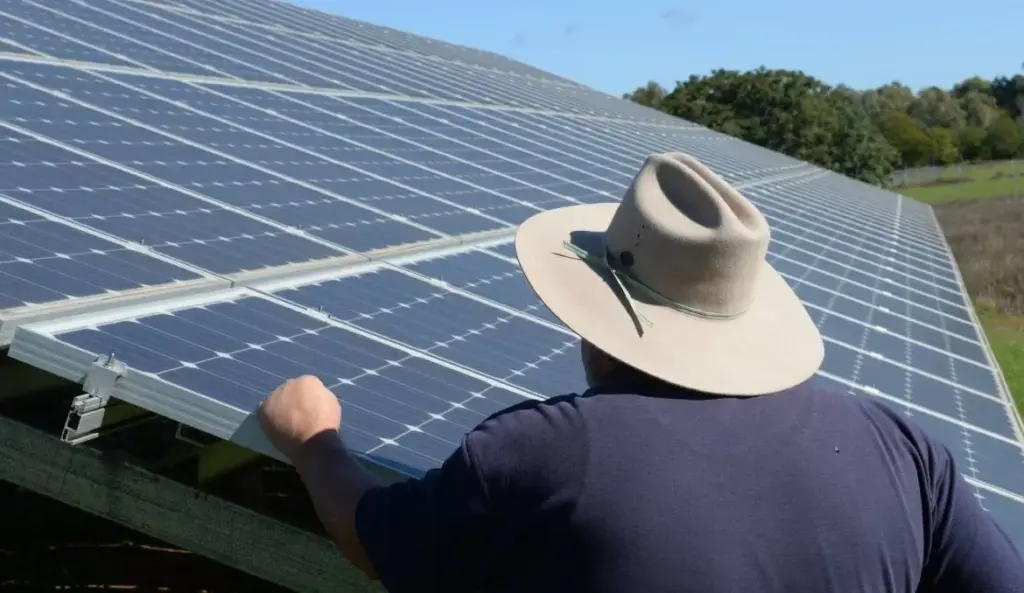
Australia’s $35,000 solar rebates for farmers are reshaping agricultural energy use in 2026, offering financial support to offset rising electricity costs and improve resilience.
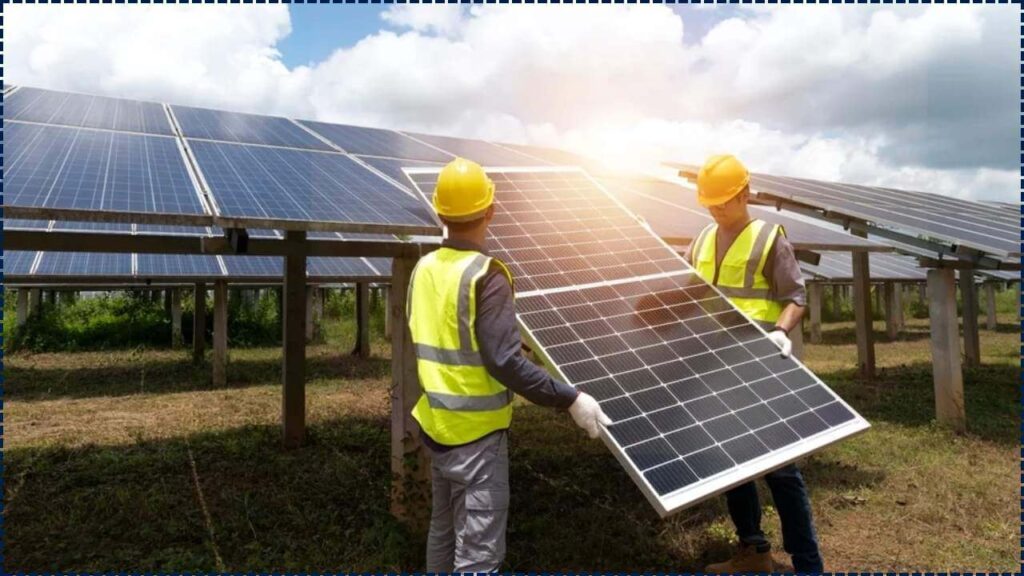
Through a mix of federal subsidies, state grants, and new battery incentives, farmers are increasingly investing in solar systems to stabilize expenses and reduce reliance on volatile energy markets.
$35,000 Solar Rebates for Farmers
| Key Fact | Detail |
|---|---|
| Max grant | Up to $35,000 in state programs |
| Federal rebate | STC-based solar discount |
| Battery support | ~30% cost reduction |
| Payback period | 3–6 years typical |
Understanding the $35,000 Solar Rebates for Farmers
The $35,000 solar rebates for farmers are part of a broader push to modernize agricultural energy systems and improve cost efficiency. These rebates are typically delivered through state-level grant programs, while federal support comes through the Small-scale Renewable Energy Scheme (SRES).
Together, they reduce upfront installation costs and make solar adoption financially viable for a wider range of farms.
Energy economists note that agriculture is uniquely positioned to benefit. “Farms often have large roof space and high daytime energy use, which makes solar particularly effective,” said an analyst at an Australian energy research institute.
How Solar Rebates Work in 2026
Federal Incentives: Small-scale Renewable Energy Scheme (SRES)
The SRES provides subsidies via Small-scale Technology Certificates (STCs):
- Certificates are generated based on system size and location
- Their value is applied as an upfront discount
- Farmers do not need to trade certificates themselves
This mechanism significantly reduces initial investment costs.
State Grants and Regional Differences
State programs vary widely:
- New South Wales: large grant-based programs (up to $35,000)
- Victoria: targeted agricultural energy upgrades
- South Australia: battery-focused incentives
Funding is often limited and competitive, requiring early application.
Battery Incentives and Storage Benefits
Battery systems allow farmers to:
- Store excess solar generation
- Use energy during peak periods
- Avoid high evening electricity rates
Programs offering ~30% battery discounts are making storage increasingly viable.
Why Farmers Are Rapidly Adopting Solar
Rising Electricity Costs
Energy-intensive farm activities include:
- Irrigation pumping
- Refrigeration (dairy, meat, produce)
- Grain drying and processing
Electricity price volatility has made cost control a priority.
Energy Independence
Solar systems provide:
- On-site electricity generation
- Reduced reliance on grid supply
- Backup capability during outages
This is critical in remote agricultural regions.
Sustainability and Market Pressure
Farmers face increasing pressure to reduce emissions, particularly from export markets and supply chains. Solar adoption helps meet these expectations while reducing costs.
Real-World Use Cases in Agriculture
Irrigation Farms
Solar systems power pumps during daylight hours, aligning perfectly with energy demand patterns.
Dairy Operations
Dairy farms use solar for:
- Milking equipment
- Refrigeration
- Water heating
Cold Storage and Processing
Facilities benefit from:
- Lower operating costs
- Improved margin stability
Financial Breakdown: Costs, Savings, and ROI
Installation Costs (After Rebates)
| System Size | Estimated Cost After Rebates |
|---|---|
| 10 kW | $8,000–$12,000 |
| 50 kW | $40,000–$70,000 |
| 100 kW+ | $80,000+ |
Costs vary depending on location, equipment, and installation complexity.
Payback and Long-Term Savings
Typical payback:
- 3–6 years
System lifespan:
- 20–25 years
This results in long-term cost savings and improved profitability.
Hidden Financial Benefits
Tax Advantages
Farmers may also benefit from:
बस एक बार लगवाइए ये 12kW सोलर सिस्टम और बिजली का बिल हो जाएगा ZERO – जानिए पूरी कीमत और फायदे
- Depreciation of solar assets
- Instant asset write-offs (depending on policy settings)
These can further reduce effective costs.
Protection Against Energy Inflation
Solar provides a hedge against rising electricity prices, offering predictable long-term energy costs.
Grid Connection and Export Limitations
One often overlooked factor is grid capacity. In some regions:
- Export limits restrict how much energy can be sold back
- Grid infrastructure may not support large systems
This affects system design and revenue potential.
Solar + Battery + VPP: Turning Farms into Energy Producers
By combining solar with batteries and virtual power plants (VPPs), farmers can:
- Sell stored energy during peak demand
- Earn additional income
- Improve system returns
This model is gaining interest as VPP payouts increase across Australia.
Risks and Considerations
Upfront Capital Requirements
Even with rebates, solar installations require significant investment.
Maintenance and Reliability
Solar systems require:
- Periodic cleaning
- Inverter replacement over time
Insurance Considerations
Farmers must ensure:
- Systems are covered under insurance
- Weather-related risks are addressed
Program Complexity
Navigating multiple incentives and eligibility criteria can be challenging.
Broader Economic Impact
Solar adoption is expected to:
- Reduce operating costs across agriculture
- Increase resilience in rural communities
- Support national emissions targets
Experts say renewable energy could become a core component of farm business models.
Australia’s Leadership in Agricultural Solar
Australia is among global leaders in:
- Rooftop solar adoption
- Agricultural renewable integration
Other countries are studying its model for rural energy transformation.
Future Outlook
Expansion of Incentives
Governments are expected to:
- Extend funding programs
- Increase battery support
- Promote integrated energy systems
Agrivoltaics
Combining farming with solar generation allows dual land use, improving productivity.
Smart Energy Systems
Future developments may include:
- AI-based energy management
- Automated grid participation
- Integration with electric vehicles
Related Links
Zero-Interest Solar Financing: A Complete 2026 Guide for Canadian Homeowners
Missed the Solar Grant? Why the Canada Greener Homes Loan is Your Best Move Now
Australia’s $35,000 solar rebates for farmers are accelerating a structural shift in agricultural energy use in 2026.
By lowering upfront costs and enabling long-term savings, these programs are helping farmers manage rising energy expenses while improving resilience and sustainability. As incentives evolve, solar energy is becoming a central element of modern farming operations.
FAQs
Can farmers really get $35,000 in solar rebates?
Yes, through specific state grant programs, depending on eligibility and funding availability.
Do farmers need batteries?
Not required, but they improve savings and enable additional revenue.
What is the payback period?
Typically 3–6 years depending on system size and energy usage.