As India’s solar power capacity surges, so does the challenge of managing end‑of‑life solar panels. New recycling technology in the country can now extract high‑value materials such as silver and silicon from discarded panels, creating economic and environmental opportunities while preventing a looming waste crisis.
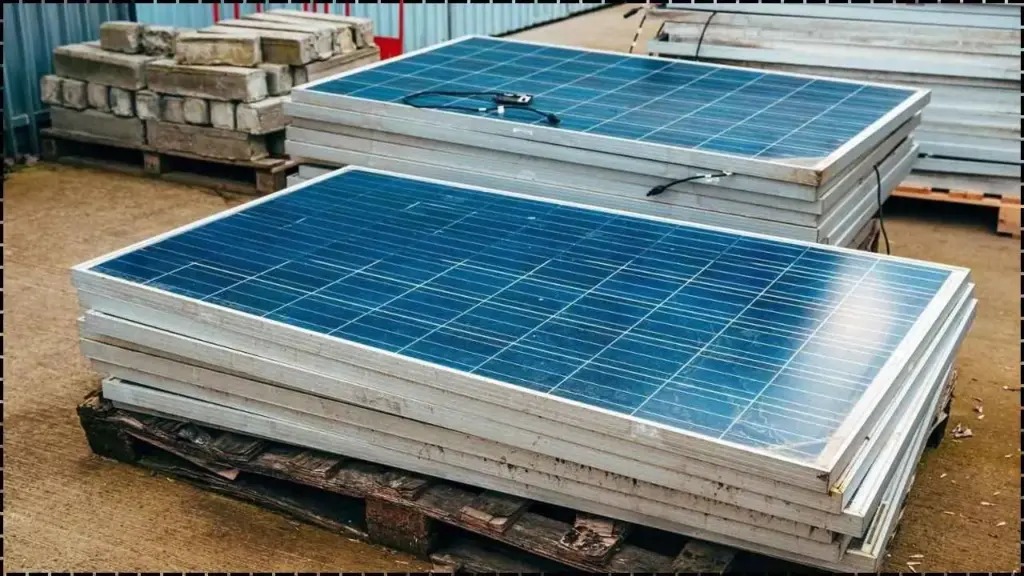
With increasing demand for clean energy, the ability to reuse precious materials promises a sustainable future for India’s solar industry.
The Growing Solar Waste Crisis
India’s ambitious solar energy goals are driving a significant expansion in installed capacity. The country aims to reach 500 GW of non-fossil fuel energy by 2030, with a large portion coming from solar. However, this rapid growth presents a pressing challenge: how to manage the end-of-life waste of solar panels.
The Ministry of New and Renewable Energy (MNRE) projects that by 2030, India will generate approximately 10,000–20,000 tonnes of solar panel waste annually as panels reach the end of their operational life, typically after 20–30 years. The growing volume of retired panels poses environmental risks if not properly recycled. (Source)
CEEW’s report highlights that managing this waste will require nearly 300 dedicated recycling facilities and an estimated ₹4,200 crore in investment in infrastructure. (Source)
The Importance of Solar Panel Recycling
Solar panel recycling is essential for two key reasons:
1. Environmental Impact
When solar panels are discarded in landfills, hazardous substances such as cadmium, lead, and other toxic elements can leak into the soil and groundwater. Additionally, valuable materials like silver — which can be used for electronics or solar panel production — are lost.
Recycling ensures that these materials are recovered and reused, helping to reduce pollution and lower the demand for mining raw materials.
2. Economic Opportunity
Recycling solar panels creates a valuable supply of raw materials such as silver, silicon, aluminum, and copper, which can be reused in the manufacturing of new panels or in other industries. This recycling process not only prevents resource depletion but also reduces production costs and minimizes reliance on imports.

India’s Breakthrough in Solar Panel Recycling
India has recently made significant strides in addressing solar panel waste with a new plant designed to extract valuable materials from discarded panels. This innovative recycling plant is the first of its kind in the country and is expected to scale up in response to the increasing volume of solar waste.
The New Plant: A Game-Changer for Solar Recycling
Located in Gujarat, the new plant has developed a proprietary process to efficiently extract silver and silicon from old solar panels. The plant uses a combination of mechanical, chemical, and thermal methods to recover these high-value materials.
These processes allow the plant to achieve 95% recovery rates, which is significantly higher than the rates achieved by traditional recycling methods. (Source)
Silver, a crucial component in the manufacture of solar panels due to its high electrical conductivity, is extracted in large quantities. Silicon, which makes up the majority of a solar panel, is also recovered and purified for reuse in new panels.
Other valuable materials like aluminum, copper, and glass are also processed and recycled, ensuring minimal waste.
How the Plant Works: The Recycling Process
The recycling process is a multi-step procedure designed to recover precious materials from the panels. The main steps involved include:
- Collection and Sorting: The plant first sorts the incoming waste into crystalline silicon panels, which are then separated from other types of solar panel waste.
- Mechanical Separation: The panels are dismantled, and the glass and aluminum frames are removed. These materials are recycled for use in construction and manufacturing.
- Thermal Processing: The silicon cells undergo a heat treatment process, which makes it easier to extract silver and silicon. This is the most energy-intensive step of the process.
- Chemical Extraction: After heating, the remaining materials are chemically treated to extract pure silver and recycled silicon, which can then be reused in the production of new solar panels.
- Purification and Refining: The extracted materials are purified to high standards, ensuring they are of the quality required for the manufacturing of new panels.
This integrated recycling system offers a sustainable solution to solar panel waste and provides a way for India to meet its future renewable energy needs without relying on new raw materials.

रूफटॉप सोलर लगवाएं और सब्सिडी का पूरा फायदा उठाएं! ₹3,000 का बिजली बिल घटकर होगा सिर्फ ₹500!
The Economic Impact of Solar Panel Recycling
The new recycling plant is not just an environmental solution; it also presents significant economic opportunities.
1. Reducing Material Costs
Recycling solar panels helps India reduce its dependence on importing raw materials, such as silver and silicon. India currently imports a significant amount of silicon from countries like China, making up nearly 80% of the country’s silicon needs.
By recycling old panels, India can develop a circular economy, lowering production costs and improving energy security.
2. Job Creation
The plant and similar initiatives can create skilled jobs in the recycling industry. As India expands its solar panel manufacturing and recycling capacity, there will be increased demand for workers in engineering, recycling technology, and logistics, helping to create new employment opportunities.
3. Market for Recycled Materials
Recovered materials such as recycled silicon and silver can be sold back into the market, creating a revenue stream for the recycling plant.
Additionally, the plant could partner with solar manufacturers, helping to secure a steady supply of materials for new panels, thus creating a closed-loop supply chain.
Policy and Government Support for Recycling
The Indian government has recognized the need for a structured approach to managing solar waste and is taking proactive steps to support solar panel recycling.
Government Initiatives and Policies
The Indian government has begun exploring policies to promote the recycling of solar panels. Under the Extended Producer Responsibility (EPR) framework, manufacturers could be made responsible for the end-of-life disposal and recycling of their products. This would incentivize the industry to create sustainable disposal methods and technologies.
Additionally, the Solar Energy Corporation of India (SECI) and MNRE are investigating ways to streamline solar waste management.
The introduction of financial incentives, tax breaks for recycling plants, and long-term regulatory support could help jumpstart India’s solar recycling ecosystem.
Challenges to Scaling the Solar Panel Recycling Industry
While India is making progress, several challenges remain:
1. Scaling the Infrastructure
The new plant is a positive step, but India’s solar panel recycling infrastructure remains limited. The country will need to invest in scalable, nationwide recycling facilities to handle the increasing volume of panel waste as the solar industry grows.

2. Financial Viability
Recycling solar panels at scale is still not financially viable without government support or market incentives. While the recovered materials have value, the upfront costs for establishing recycling plants, purchasing equipment, and maintaining operations are substantial.
3. Technical Challenges
Solar panel recycling involves the extraction of toxic and hazardous chemicals such as cadmium, lead, and other elements. Proper handling and disposal of these chemicals are critical to ensuring that recycling is environmentally safe.
The Global Comparison: India’s Role in Solar Panel Recycling
India is not the only country grappling with solar waste. Countries like Germany, Japan, and the United States have been developing solar panel recycling systems for several years.
However, India’s approach to solar panel recycling, particularly with its focus on recovering precious metals like silver and silicon, may give it a competitive advantage as the global demand for these materials increases.
India’s low-cost labor and innovative recycling technologies could make it a hub for solar panel recycling in the coming decades.

If the country scales up its operations and builds a global supply chain for recycled materials, it could significantly reduce the carbon footprint of solar panel production worldwide.
A Sustainable Future for Solar Energy in India
India’s new solar panel recycling plant marks a significant step toward sustainable energy. By recovering valuable materials such as silver and silicon from old solar panels, India not only addresses environmental concerns but also reduces dependency on imported raw materials.
With increased investment in recycling infrastructure and innovation, India is well-positioned to become a global leader in solar energy, supporting a circular economy and sustainable growth for years to come.
FAQs
What are the key materials extracted from old solar panels?
Old solar panels contain valuable materials such as silver, silicon, copper, and aluminum. These can be extracted and reused in the production of new solar panels.
How does the solar panel recycling process work?
The process involves dismantling the panels, separating the materials, and using thermal, chemical, and mechanical methods to recover precious metals like silver and silicon.
Why is solar panel recycling important?
Recycling helps prevent the environmental harm caused by disposing of panels in landfills, reduces the need for mining new materials, and supports a sustainable, circular economy.