The Adani Group, one of India’s largest conglomerates, is increasingly focusing on renewable energy and sustainability. In an ambitious new move, the company is aiming to tackle one of the world’s most pressing challenges — climate change — by pursuing innovative technologies that could transform carbon dioxide (CO₂) emissions into usable clean electricity.
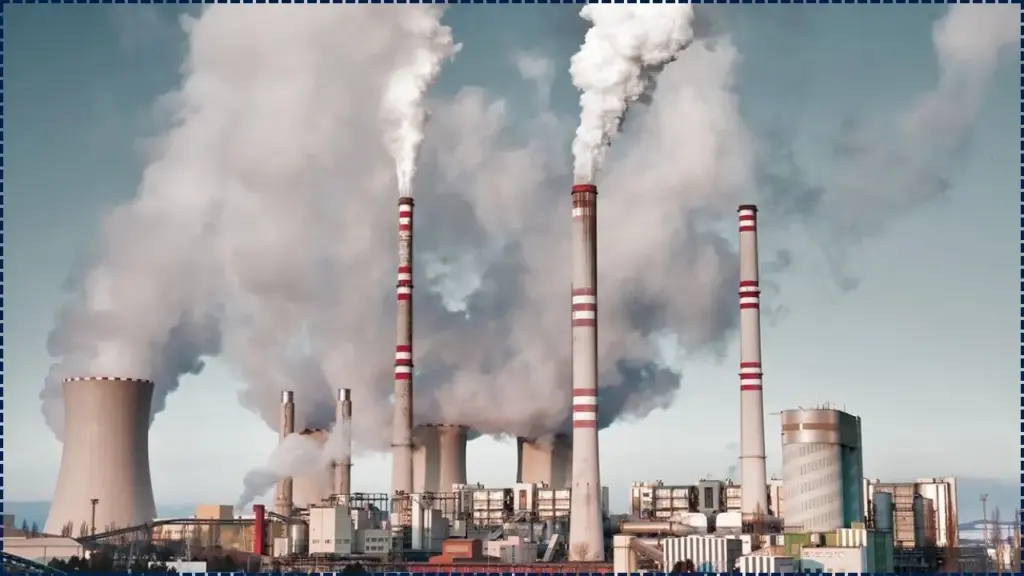
As Adani builds one of the world’s largest renewable energy portfolios, it is also investing heavily in emerging carbon capture technologies. The possibility of converting CO₂ directly into electricity, while still in its infancy, could mark a revolutionary step in global energy production.
India’s rapidly growing energy demands, coupled with its commitment to reducing greenhouse gas emissions, have made clean energy innovation more urgent than ever. The Adani Group, through its subsidiary Adani Green Energy Limited (AGEL), is positioned as a major player in the renewable energy landscape.
The group is pursuing aggressive expansion in solar, wind, and battery storage sectors, while also exploring the potential of carbon capture and utilization (CCU) technologies.
In its latest initiative, Adani is investigating the concept of transforming captured CO₂ into electricity, a groundbreaking idea that could reshape how the world addresses both energy and environmental concerns.
Adani Group’s Pioneering Renewable Energy Projects
With a vision to contribute significantly to India’s clean energy transition, Adani’s renewable energy projects have already made a massive impact. The company’s most prominent project is the Gujarat Hybrid Renewable Energy Park in Kutch, which, upon completion, will become one of the world’s largest solar-wind hybrid parks, with a combined capacity of 30 GW.
This initiative aligns with India’s target of 450 GW of renewable energy by 2030, making Adani one of the key stakeholders in this ambitious goal. Adani’s focus on solar energy has led to several large-scale solar parks across India. The company has already installed over 25 GW of solar power and aims to increase that figure substantially over the coming decade.
In addition to solar and wind, the company is also scaling up its battery storage systems. These innovations in energy storage aim to ensure that renewable energy can be efficiently stored and used during periods when sunlight or wind is insufficient, providing a more stable and reliable grid.
The Ambition of Converting CO₂ into Electricity
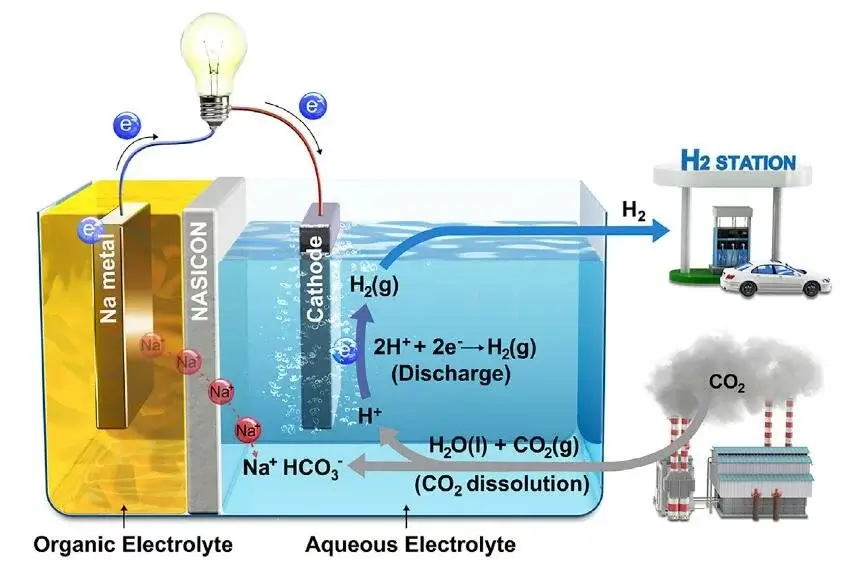
One of the most ambitious and innovative aspects of Adani’s energy strategy is the exploration of carbon capture and utilization (CCU) technologies. These technologies aim to capture CO₂ emissions — traditionally seen as a byproduct of industrial and energy activities — and transform them into useful products like chemicals, fuels, and potentially, electricity.
In a world where carbon emissions are driving climate change, the ability to capture and repurpose CO₂ could be a game-changer. The Adani Group’s investments in carbon capture projects have placed them at the forefront of this emerging field.
Ambuja Cements, another Adani subsidiary, is currently running a pilot project in collaboration with the Swedish Energy Agency to test the feasibility of capturing CO₂ from cement production and using it in industrial applications.
Although CO₂-to-electricity technology is still in experimental stages globally, experts believe that harnessing the chemical energy in carbon dioxide could be the next frontier in clean energy production.
At present, technologies like electrochemical reduction — which uses electricity to convert CO₂ into carbon-based products — are being explored. The idea is that the CO₂ can be reduced to carbon monoxide (CO) or methane (CH4), which can then be used as fuel or directly converted into electricity through fuel cells.
Current Developments in Carbon Capture and Utilization
Adani’s approach to carbon capture and utilization is centered on industrial applications, focusing on capturing CO₂ directly from emissions-heavy industries like cement production. Through Ambuja Cements’ collaboration with the Indian Institute of Technology, Bombay, Adani is exploring how captured carbon can be converted into building materials, such as carbonated concrete, or even synthetic fuels.
The carbon utilization component of these projects represents a significant leap forward from simple carbon storage methods, which have been criticized for their lack of long-term viability and economic value.
By turning captured CO₂ into products that can be sold or used in other industrial processes, companies like Adani can not only reduce emissions but also generate a revenue stream from their carbon capture efforts.
However, CO₂-to-electricity conversion remains an emerging area of research. Technologies for direct conversion of CO₂ into electricity have not yet been deployed at commercial scale.
Although electrochemical cells and solid oxide fuel cells hold promise, they require significant energy input and often suffer from low efficiency. As of now, no technology has been proven to economically produce electricity from CO₂ on a scale large enough for industrial applications.
The Role of Carbon Capture in Adani’s Sustainability Goals
In line with India’s climate commitments, Adani Group has pledged to achieve net-zero emissions by 2050. In the interim, the company’s renewable energy projects will play a crucial role in meeting this target.
The focus on renewables, however, is complemented by the company’s efforts to address carbon emissions through carbon capture technologies. Adani’s exploration of green hydrogen as part of its decarbonization strategy adds another layer to its long-term environmental goals.
Green hydrogen, produced using renewable energy, can be used as a clean fuel in industries such as steel, cement, and chemicals, which are difficult to electrify using current technologies. By pairing green hydrogen with carbon capture technologies, Adani aims to create a closed-loop carbon economy, where emissions are captured, repurposed, or neutralized.
Challenges in CO₂-to-Electricity Conversion
Although the potential for converting CO₂ into electricity is promising, significant challenges remain. The efficiency of CO₂-to-electricity technologies is currently low, and scaling such processes to meet global energy demands is far from simple.
According to Dr. Anya Sharma, an expert in energy technology at the University of Delhi, “While the idea of converting CO₂ into usable electricity is intriguing, we must acknowledge that the current technologies are not yet viable on a large scale. The energy required to carry out the conversion often exceeds the energy produced.”
Moreover, the economic feasibility of commercializing such technologies remains unclear. Electrochemical cells and solid oxide fuel cells, which are capable of reducing CO₂ to useful products, require high operational costs and specialized infrastructure.
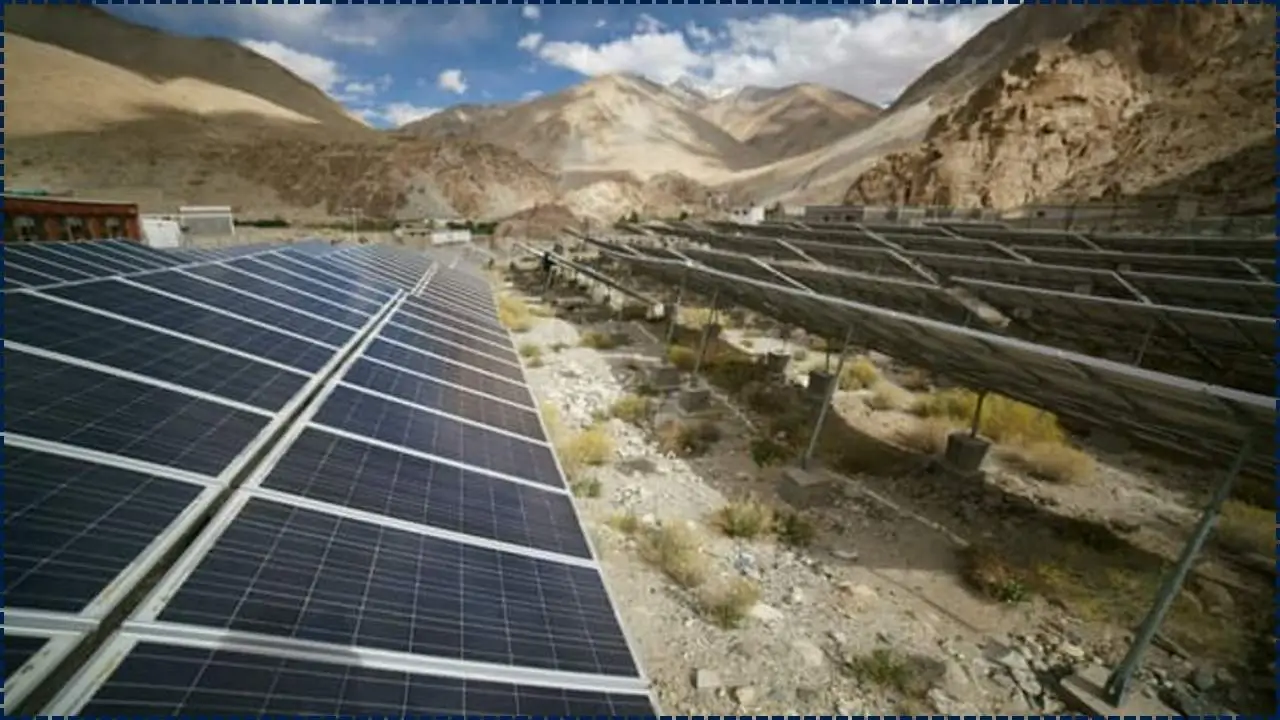
Vande Solar: Inside India’s Race to Build the World’s Largest Vertical Solar Farm in Ladakh
Until the cost of production drops and efficiency increases, widespread adoption of CO₂-to-electricity conversion technologies may remain a distant goal.
A Vision for the Future
Despite these challenges, the work being done by the Adani Group in renewable energy, carbon capture, and green hydrogen demonstrates a clear commitment to addressing India’s energy and environmental challenges.
The group’s focus on innovation in carbon management and clean energy production will continue to be a critical part of India’s broader climate change mitigation strategy.
As the technology develops, Adani’s vision of turning CO₂ into clean electricity could one day become a key component of the global clean energy transition.
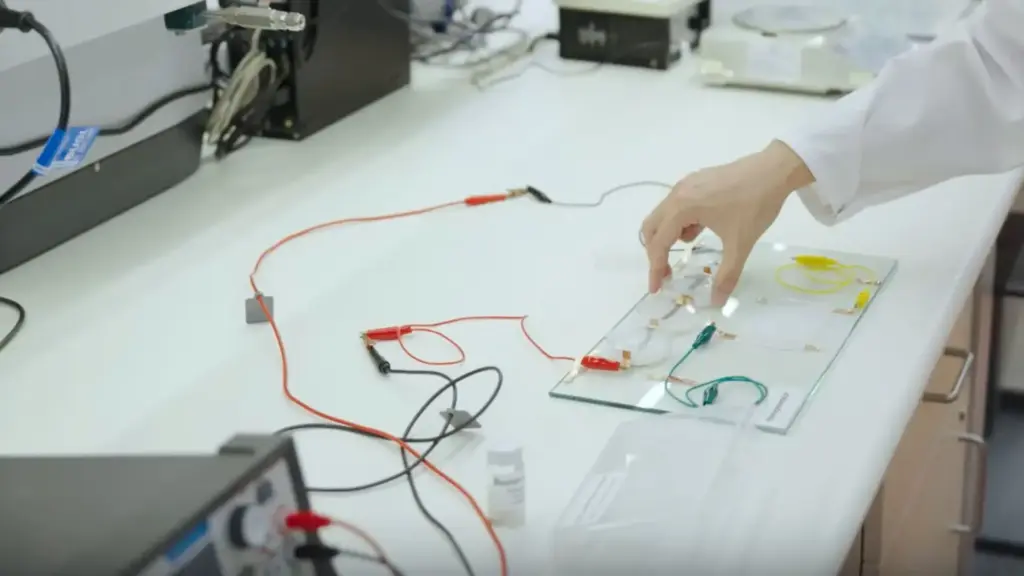
The company’s pioneering efforts to capture and utilize carbon through CCU technologies provide a roadmap for future energy solutions that may help reduce the environmental impact of industries that have long been associated with high levels of CO₂ emissions.
Related Links
Free Electricity from Sea Waves? India’s First Ocean Energy Project Lights Up Coastal Cities.
A Path Toward Clean Energy and Carbon Solutions
The Adani Group’s integration of renewable energy, carbon capture technologies, and future exploration of CO₂-to-electricity innovations aligns with the global urgency to combat climate change.
While direct CO₂-to-electricity conversion remains a developing field, the company’s commitment to clean energy and carbon reduction technologies plays a significant role in shaping India’s sustainable future.
With continued investment in research, innovation, and large-scale projects, the Adani Group is setting the stage for transformative changes in the energy landscape — one that could one day include a new, cleaner way to generate power from carbon.