

Toyota Motor Corporation is accelerating the electric vehicle (EV) revolution with its groundbreaking solid-state battery technology, which promises to unlock 1200 kilometers on a single charge, along with ultra-fast charging times.
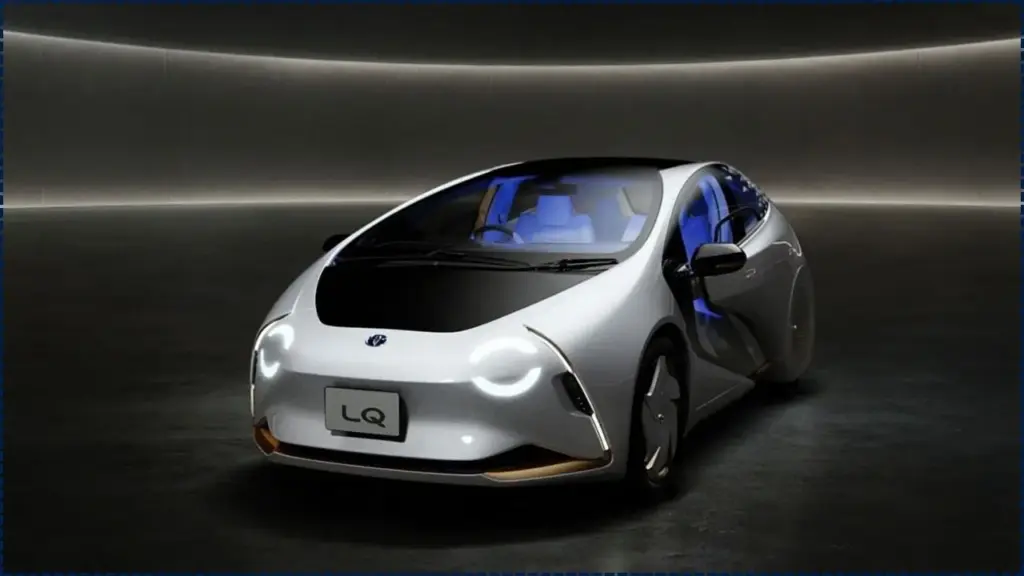
This leap in battery technology is poised to dramatically improve the performance, convenience, and sustainability of EVs. With commercial applications expected to roll out as early as late 2026, Toyota’s solid-state batteries could set a new benchmark for the industry.
Transforming EV Range and Charging with Solid-State Batteries
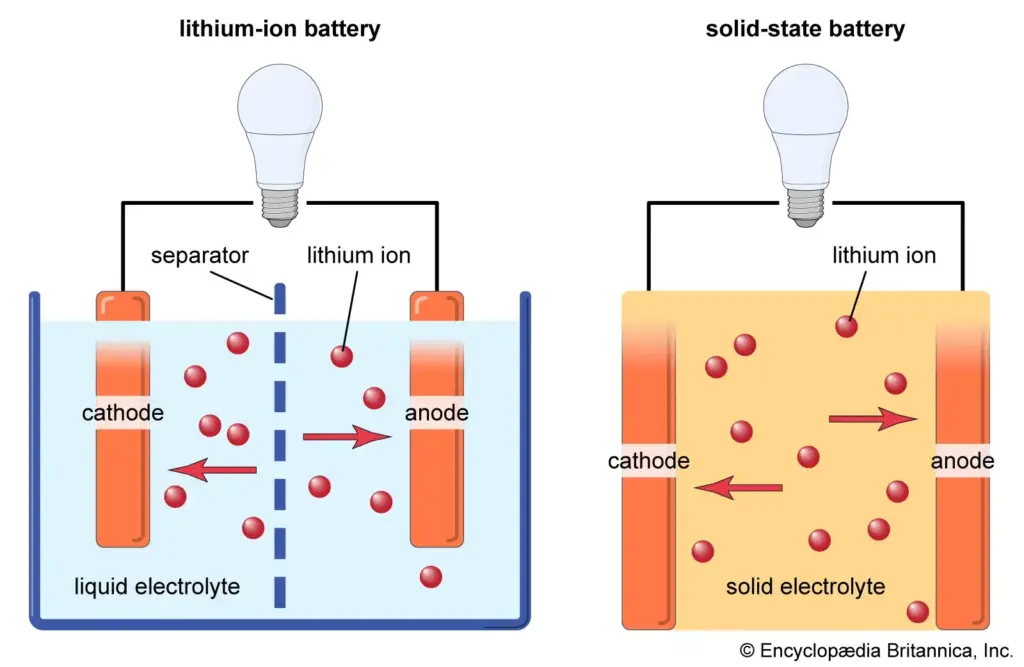
The promise of solid-state batteries has been a key focus in the electric vehicle sector for several years. Solid-state technology replaces the liquid electrolyte found in traditional lithium-ion batteries with a solid electrolyte, which offers better energy density, safety, and charging speeds.
Now, Toyota, long a leader in the automotive industry, is pushing the boundaries of what’s possible with electric vehicles, with solid-state batteries that can enable longer driving ranges and faster charging times. If successfully commercialized, this technology could revolutionize the way consumers think about EVs.
Toyota aims to make these advancements available to consumers by late 2026, with expectations for 1200 kilometers of driving range per charge — more than double the range of many electric vehicles today.
What Makes Solid-State Batteries a Game-Changer?
Superior Energy Density
Traditional lithium-ion batteries rely on a liquid electrolyte to conduct ions between the anode and cathode. In solid-state batteries, a solid electrolyte replaces the liquid, which allows for higher energy density. This means that the same amount of space can store more energy, resulting in longer driving ranges for electric vehicles.
Toyota’s solid-state technology has reportedly achieved an energy density of 500 Wh/kg, compared to 250 Wh/kg for most current lithium-ion batteries. This increased energy density directly impacts vehicle range, enabling EVs to travel further on a single charge without the need for larger or heavier batteries.
Faster Charging Times
Solid-state batteries can also charge faster than lithium-ion batteries, as the solid electrolyte can handle high voltages and currents without overheating. Toyota’s new batteries are expected to charge to 80% in just 10 minutes, a huge leap from the current charging times, which often require up to 30 minutes to charge an EV to the same level using fast chargers.
This means fewer stops for charging, and drivers can spend more time on the road. As Toyota continues refining its technology, charging times could potentially be cut even further, bringing the experience closer to the convenience of refueling a conventional vehicle.
Improved Safety and Durability
Solid-state batteries offer several safety benefits over traditional lithium-ion systems. Since there is no liquid electrolyte, the risk of thermal runaway — a chain reaction that can lead to fires — is significantly reduced. Solid-state batteries are also more thermally stable, which means they can operate at higher temperatures without losing efficiency.
The use of solid electrolytes also makes the batteries more durable. As solid-state batteries wear less over time, they are expected to last longer than lithium-ion batteries, offering better value for money over the life of the vehicle.
Toyota’s Journey: From Prototype to Commercial Launch by 2026
Toyota’s efforts to develop solid-state batteries began over a decade ago, with the company conducting research through various in-house teams and partnerships. Toyota’s solid-state battery technology has been under development for years, and the company has demonstrated prototypes capable of running 1200 kilometers on a single charge.
By 2026, Toyota intends to introduce solid-state battery-powered electric vehicles, beginning with low-volume, high-end models. Initially, Toyota will focus on premium EVs, which will benefit the most from the increased energy density and reduced charging times.
Toyota has also indicated that mass-market solid-state EVs could follow soon after, depending on the success of initial commercial rollouts. As part of its global vision for the future of electric mobility, Toyota plans to integrate solid-state batteries into its entire lineup of electric vehicles by the end of the 2020s.

Challenges in Solid-State Battery Commercialization
Despite the promise of solid-state batteries, there are several technical challenges to overcome before they can be deployed on a large scale:
1. Manufacturing Scale and Cost
Solid-state batteries are more complex and costly to manufacture compared to traditional lithium-ion batteries. The production of solid-state cells requires precise materials, such as ceramic and sulfide electrolytes, which are currently expensive to produce at high volumes.
Toyota has been working with several global suppliers and research institutions to overcome these cost and manufacturing challenges, with the aim of achieving cost parity with traditional lithium-ion batteries.
Toyota’s early production costs will likely be high, and price premiums could affect the affordability of early solid-state vehicles. However, experts believe that as the technology matures and production scales up, costs will decrease significantly, bringing prices closer to those of conventional EVs.
2. Material Challenges and Battery Longevity
Solid-state batteries use solid electrolytes that need to maintain stable interfaces with both the anode and cathode over the lifetime of the battery. Currently, material stability at high voltages and temperatures remains a challenge for manufacturers.
Toyota is focusing on sulfide-based electrolytes, which offer improved performance but still require further development for long-term commercial viability.
The ability to produce high-quality solid electrolytes that last long without degrading will be critical to ensuring the long-term success of solid-state batteries.
Broader Implications for the Global EV Market
1. EV Adoption Boost
The primary benefit of Toyota’s solid-state battery breakthrough is its potential to accelerate global EV adoption. Longer ranges and faster charging times will make electric vehicles more appealing to a broader range of consumers, especially those in regions where infrastructure for EV charging is still being developed.
In particular, the long driving range of 1,200 kilometers could make electric vehicles more practical for long-distance travel, addressing range anxiety, a significant barrier to EV adoption.
2. Impact on the Competitive Landscape
While Toyota is leading the charge, other automakers are also exploring solid-state technologies, and the race for solid-state batteries is intensifying. Companies like Volkswagen, BMW, and Ford are also investing in the development of solid-state batteries, with some already releasing prototypes.

However, Toyota’s early lead and extensive research could give it a competitive edge in the global market. As global demand for EVs continues to rise, solid-state technology will be key to meeting future energy and performance requirements.
Related Links
Energy from the Stars? How Space-Based Solar Panels Could Solve Earth’s Power Crisis.
No More Plug-ins? New Wireless Tech Will Charge Your Electric Car While You Drive!
Government Policies and EV Infrastructure Development
For Toyota’s solid-state batteries to be successful, governments worldwide must continue to support EV infrastructure and subsidize EV adoption through tax incentives, reduced import duties, and other measures.
In countries like India, China, and the European Union, governments are already implementing aggressive EV adoption targets, which will be critical in facilitating the transition from internal combustion engine vehicles to electric vehicles.
India, in particular, has been pushing for EV adoption under the Faster Adoption and Manufacturing of Hybrid and Electric Vehicles (FAME) scheme, with a growing network of fast-charging stations.
As Toyota rolls out its solid-state batteries in India, favorable government policies will play a crucial role in accelerating adoption.
The Road to 2026 and Beyond
Toyota’s solid-state battery breakthrough promises to usher in a new era of electric vehicles with longer driving ranges, faster charging, and enhanced safety. While challenges remain in scaling production, solid-state batteries hold the potential to revolutionize the electric vehicle market by late 2026.
As the technology matures, Toyota’s solid-state batteries could be the key to widespread EV adoption and meeting global climate targets. With a roadmap for mass production and global deployment, Toyota’s innovation could pave the way for a cleaner, more sustainable future of mobility.
As the world embraces this transition, Toyota’s solid-state battery technology might just be the breakthrough that the electric vehicle industry has been waiting for.