
For decades, traditional solar panels have been the go-to technology for converting sunlight into electricity. While solar panels offer significant environmental and financial benefits, they come with their own set of limitations — most notably, their bulkiness, installation complexity, and high upfront costs.
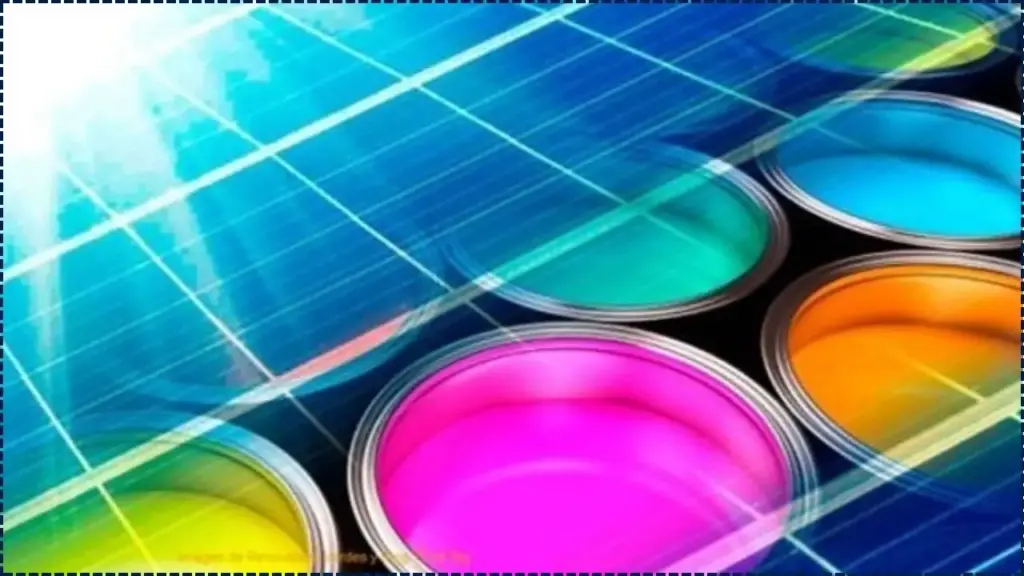
But what if those problems could be solved with solar paint — a technology that promises to spray on solar power in a form that’s lightweight, flexible, and far more accessible?
This new innovation, solar paint, has emerged from the labs of forward-thinking researchers as a potential solution to make renewable energy more accessible and integrated into everyday life. Instead of bulky panels, solar paint could turn any surface — from walls and windows to vehicles — into a solar power station.
While commercial availability remains years away, the potential of this technology could completely transform the future of clean energy generation. But how close are we to seeing solar paint replace solar panels in homes?
What is Solar Paint?
Solar Paint Overview
Solar paint is a type of photoactive coating that contains materials capable of absorbing sunlight and converting it into usable electricity. It can be applied to roofs, walls, windows, and even vehicles, turning them into self-sustaining power generators.
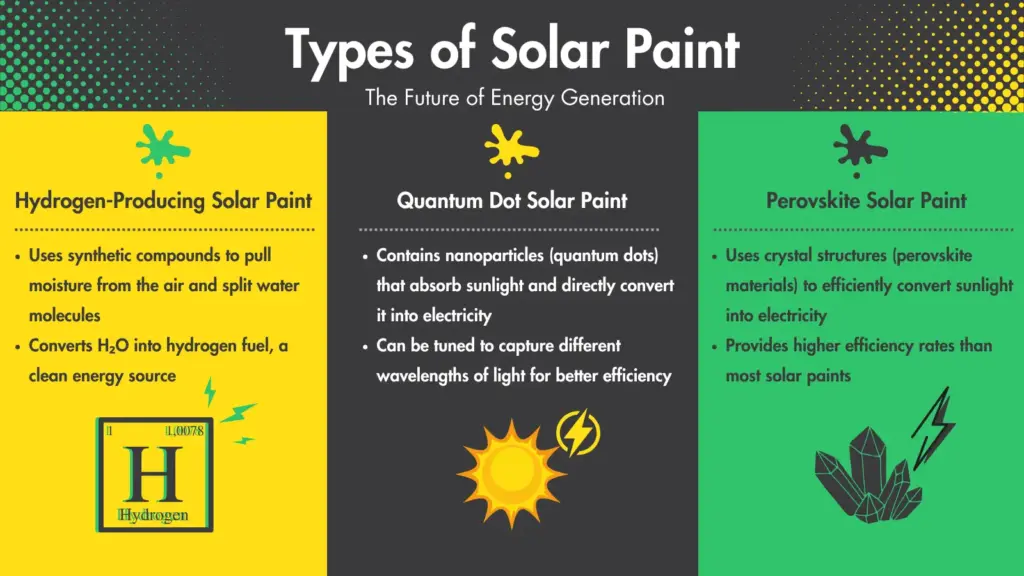
The technology utilizes photovoltaic compounds like perovskite and quantum dots, which absorb photons from the sun and release electrons to generate electrical current. Currently, the two most promising types of solar paint are perovskite-based and quantum dot-based paints, each with unique properties and advantages.
Perovskite Solar Paint
Perovskite materials, with their unique crystal structure, have shown remarkable performance in laboratory solar cells. These materials can be processed into thin films, making them ideal for use in solar paint.
Perovskite-based solar paint can convert sunlight into electricity with efficiency levels that are competitive with traditional solar cells, even though it’s applied as a thin layer of liquid. Researchers have reported that perovskite solar paint could eventually achieve 15–20% energy conversion efficiency, which is close to the efficiency range of first-generation solar panels.
Quantum Dot Solar Paint
Quantum dots are nanoscale semiconductor particles that absorb sunlight and generate electrical current. When mixed into a liquid coating, quantum dot solar paint can be sprayed onto various surfaces to create flexible, lightweight, and transparent solar cells.
While still in development, this paint has the potential to be highly efficient, with experts predicting significant improvements in energy conversion rates as research progresses.
How Solar Paint Works: The Science Behind the Spray
Solar paint utilizes the same basic principle as traditional photovoltaic solar cells: it captures sunlight through its photoactive components, generates electrons from sunlight exposure, and creates an electrical current.
The key difference lies in the form factor — instead of large, rigid solar panels, solar paint is a liquid that can be applied to virtually any surface. Once the paint dries, the photovoltaic particles embedded in the coating begin to absorb sunlight and generate electrical energy.
The electricity is then captured through conductive wires, stored in batteries, or integrated into a building’s energy system. Unlike rigid panels, solar paint offers a disruptive approach to making solar power generation available everywhere.
The Advantages of Solar Paint
1. Flexibility and Ease of Installation
Traditional solar panels require flat, expansive surfaces and specialized installation teams. Solar paint can be applied to any surface — including roofs, walls, and vehicles — by simply spraying or rolling it on. This flexibility allows solar generation in places where traditional solar panels may not be suitable.

Waaree और Premier Energies के शेयरों में फिर गिरावट! जानें क्या वजह है इस स्टॉक के गिरने की
The ease of installation could significantly reduce the time and cost involved in setting up a solar energy system, making renewable energy more accessible to homeowners, businesses, and even public infrastructure.
No longer would you need a dedicated roof for solar panels, as any surface could now potentially generate power.
2. Lightweight and Cost-Effective
Traditional solar panels are heavy and require significant structural support. Solar paint, however, is lightweight, which means it doesn’t require reinforcement of existing structures. The application process is also cost-effective, as the paint is less expensive to produce than traditional solar panels and can be applied at scale on various surfaces without specialized equipment.
The combination of low cost and lightweight properties could drastically lower installation costs, opening the door for widespread adoption of solar energy in both residential and commercial settings.
3. Aesthetic Integration
One major issue with traditional solar panels is their aesthetic impact. Solar panels are large and can disrupt the appearance of a building, which is one reason why many homeowners and businesses have been reluctant to install them.
Solar paint, on the other hand, can be integrated seamlessly into the building’s design without affecting its appearance. For example, transparent solar windows could offer a sleek and elegant solution for integrating solar energy into a building’s architecture.
This aesthetic advantage could drive greater adoption in urban environments where space is limited and visual integration is important.
Challenges to Solar Paint Adoption
While solar paint offers exciting possibilities, there are several challenges that need to be addressed before it can become commercially viable.
1. Efficiency Limitations
While solar paint has shown promise in laboratory settings, its efficiency still lags behind traditional solar panels. Current solar paint technologies are still in the early stages of development, and even the best-performing prototypes have an efficiency of around 15-20%.
In comparison, traditional silicon solar panels currently achieve efficiencies of 20-22%, with some high-end models reaching up to 23%. To compete with traditional solar panels, solar paint must improve in efficiency and durability.
2. Durability and Longevity
Like any paint, solar coatings need to endure harsh weather conditions, including rain, UV exposure, and temperature fluctuations. While solar paint is designed to be resilient, ensuring that it can last for decades without degrading is crucial for its long-term success.

The durability of solar paint is still under review, as the technology needs to withstand environmental stress over time, just like traditional solar panels.
3. Commercialization and Scaling
Currently, solar paint technology is not yet widely available on the commercial market. Researchers and companies are still working on improving the efficiency, scalability, and cost-effectiveness of solar paint. It will likely take several years before solar paint is available on a larger scale and ready for mass production.
Policy Support and Global Implications
Governments around the world are increasingly recognizing the importance of renewable energy and are investing heavily in research to drive energy innovation. In countries like the United States, China, and India, initiatives are already underway to fund solar paint research and bring the technology to market.
Furthermore, energy regulations and carbon reduction policies are expected to accelerate the adoption of renewable technologies, including solar paint.
As governments continue to seek ways to meet ambitious climate goals, solar paint could play an important role in decentralizing energy production and expanding clean energy access.
Related Links
Don’t Throw Away Old Solar Panels! New Indian Plant Extracts Silver and Silicon from Waste.
A Solar Revolution on the Horizon?
Solar paint holds the potential to revolutionize the way we generate and use energy. By allowing nearly any surface to generate electricity, this spray-on technology could significantly reduce the cost and barriers to adoption for solar power, especially for homeowners and businesses.
While there are still several hurdles to overcome in terms of efficiency, durability, and commercial scaling, the possibilities of solar paint are exciting.
As research continues, solar paint could become an integral part of the global push for clean, renewable energy, helping to reduce our reliance on fossil fuels and pave the way for a more sustainable future.