
The emerging iron-air battery technology is gaining significant attention as a breakthrough in long-duration energy storage. Capable of providing up to 100 hours of backup power, iron-air batteries are positioned to be ten times cheaper and safer than traditional lithium-ion batteries.
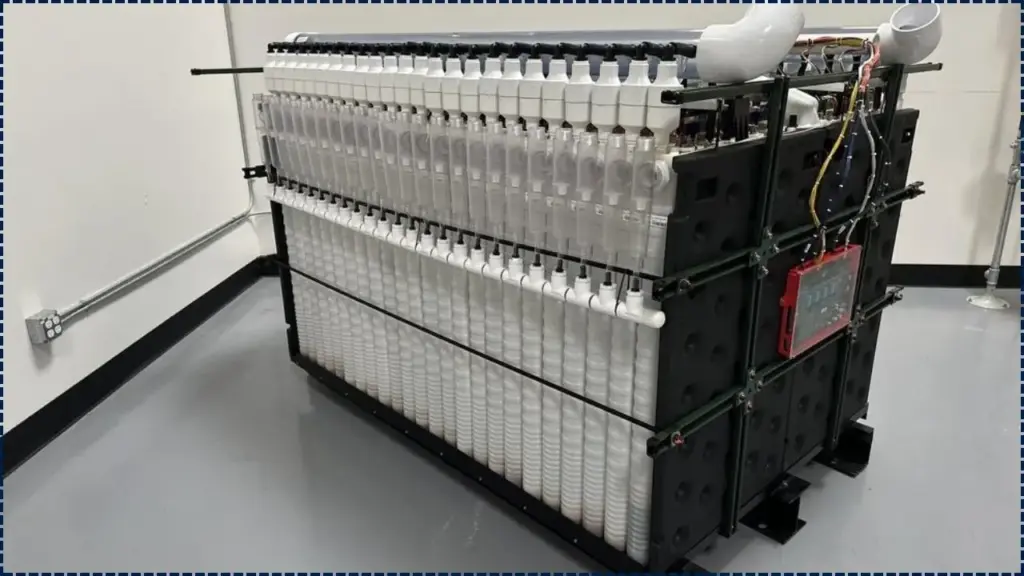
This technology not only promises a more sustainable solution for renewable energy storage but also addresses critical gaps in energy reliability and cost-effectiveness.
As global demand for energy storage solutions grows, the potential of iron-air batteries to deliver affordable, long-lasting, and safe energy makes them an exciting option for the future of clean energy. This article explores how iron-air batteries work, their benefits, challenges, and their potential to revolutionize the energy storage market.
How Iron-Air Batteries Work: The Basics of Metal-Air Chemistry
Understanding Metal-Air Battery Technology
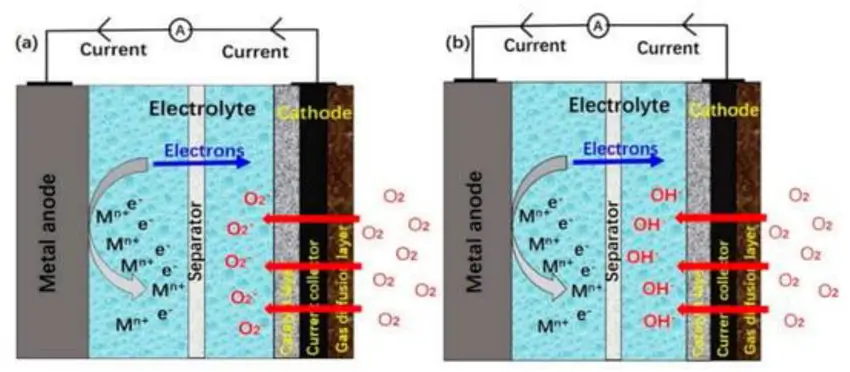
At the core of iron-air batteries lies metal-air chemistry, a type of energy storage that uses oxygen from the surrounding air as one of the key reactants. Unlike lithium-ion batteries, which rely on liquid or organic electrolytes, iron-air batteries use iron as the anode material and oxygen from the air as the cathode material.
The chemical reaction that occurs during discharge involves iron reacting with oxygen to form iron oxide, releasing electrons and producing electricity. When the battery is recharged, the iron oxide is reversed to iron, storing the energy once again.
This process makes iron-air batteries different from lithium-based systems, which use lithium salts in organic electrolytes for ion movement.
The iron-air battery has garnered attention because of its potential for low-cost energy storage, particularly due to the abundance of iron and its non-toxic properties, which make it safer than lithium-ion alternatives.
Sustainability and Safety
Iron-air batteries have a major edge in terms of safety compared to lithium-ion batteries, which are prone to thermal runaway and fire risks when mishandled or overcharged. Iron, in contrast, is non-flammable, and the battery’s water-based electrolyte further reduces the risk of combustion.
As renewable energy adoption increases, having safer storage solutions like iron-air batteries is crucial to widespread integration, particularly in residential and commercial energy systems.
The Cost Advantage: Iron-Air vs Lithium-Ion
Affordability and Material Efficiency
One of the most compelling aspects of iron-air batteries is their cost-effectiveness. While lithium-ion batteries have dominated the energy storage sector, their price is significantly driven by the demand for lithium, cobalt, and nickel, all of which are limited in supply and subject to price fluctuations due to geopolitical factors.
Iron, on the other hand, is one of the most abundant and affordable metals, making iron-air batteries ten times cheaper to produce than lithium-ion batteries.
Industry analysts predict that if this technology reaches commercial scale, it could drastically reduce the cost per kilowatt-hour (kWh) of energy storage, making it an attractive option for large-scale grid storage and off-grid renewable systems.
The low cost of materials also ensures that iron-air batteries could play a significant role in energy access in developing nations, where the high cost of lithium-ion systems often limits the adoption of solar, wind, and other renewable technologies.
Long-Term Affordability
While lithium-ion batteries may be more cost-effective for shorter duration storage, iron-air batteries excel in long-duration storage. These batteries can hold energy for longer periods, making them ideal for scenarios where multi-day backup is required.
With applications in off-grid communities, solar storage, and grid balancing, iron-air batteries offer a cost-effective solution to energy needs where traditional batteries might not be economically viable.
The Promise of 100-Hour Backup: Applications and Potential
Long-Duration Energy Storage
Traditional batteries, including lithium-ion, typically provide backup for a few hours at best. However, as renewable energy sources such as solar and wind increasingly penetrate the global energy market, the demand for long-duration storage systems has surged. Iron-air batteries stand out because they are capable of providing backup for up to 100 hours — ideal for balancing intermittent renewable generation.
For instance, during periods when solar or wind generation is low, iron-air batteries can provide consistent and reliable backup for the grid, helping to prevent power outages and maintain system stability.
This makes them an excellent solution for grid operators trying to integrate variable renewable resources.
Commercial and Residential Use Cases
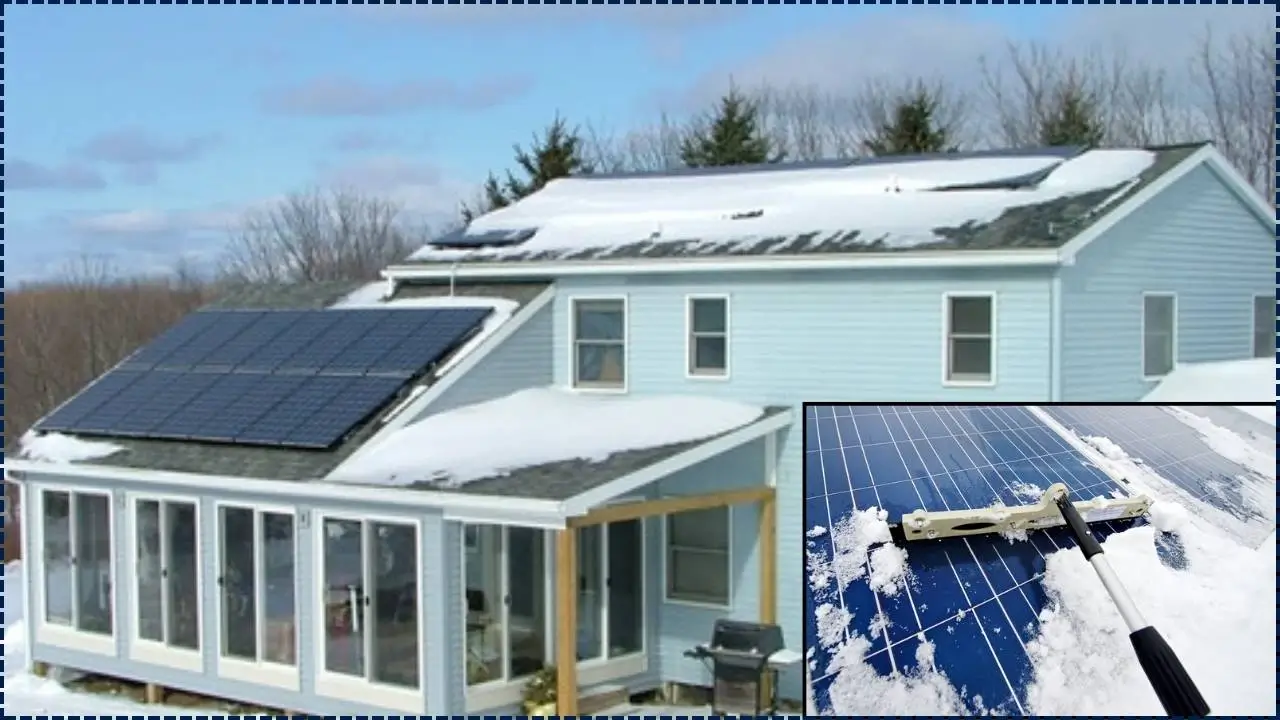
- Residential Energy Storage: Homeowners with solar panels can use iron-air batteries to store energy produced during the day for use at night or during periods of poor sunlight.
- Grid-Level Storage: Utilities can rely on large-scale iron-air battery systems to provide power to the grid during peak demand or when renewable sources aren’t generating electricity.
- Industrial Applications: Iron-air batteries can serve as backup power for critical infrastructure such as hospitals, data centres, and emergency response units.
Environmental Benefits: A Sustainable Alternative
Lower Carbon Footprint
Iron-air batteries offer a sustainable solution for energy storage, thanks to the use of abundant and non-toxic materials. In contrast, lithium-ion batteries are energy-intensive to produce, especially due to the extraction of lithium, cobalt, and nickel.
The environmental impact of these materials, both in terms of extraction and the carbon emissions associated with manufacturing, is a growing concern for the industry.
By reducing reliance on these scarce materials, iron-air batteries help mitigate environmental impacts and promote a more circular economy, where batteries can be recycled, reused, and safely disposed of.
Suzlon Energy के शेयर में 6% की बढ़त! एक्सपर्ट्स ने बताए अगले टारगेट – क्या अभी खरीदना सही रहेगा?
Additionally, their longer lifespan and reduced degradation make iron-air batteries a more environmentally friendly choice over the long term. This offers sustainability benefits that could accelerate the transition to clean energy.
Challenges and Limitations
Technical and Market Hurdles
Despite their promise, iron-air batteries are not without challenges:
- Efficiency: One of the major hurdles for iron-air batteries is their round-trip efficiency (the ratio of energy extracted from the battery compared to the energy used to charge it). Currently, iron-air systems have an efficiency lower than that of lithium-ion batteries, though ongoing research aims to improve this.
- Cycle Life: While iron-air batteries offer long-duration storage, the longevity of these batteries — particularly in terms of charge and discharge cycles — is still being evaluated. Researchers are working to enhance their durability.
Global Investment and Future Outlook
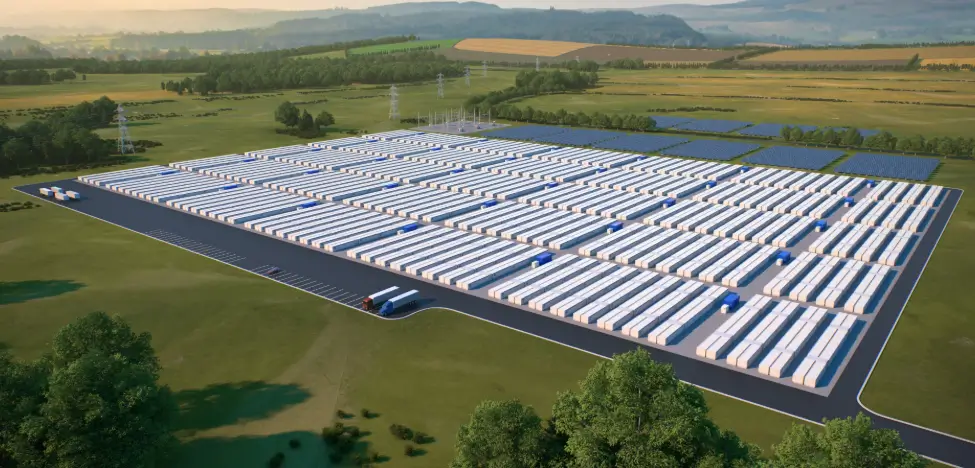
Major energy storage companies and investors have already taken note of the potential of iron-air batteries. Form Energy, a leading developer in this field, is working to commercialize the technology and bring it to market in the coming years.
Pilot projects and collaboration with utilities are expected to lead to further developments and large-scale deployments.
Related Links
Your House Walls Could Soon Generate Electricity! Meet the Bio-Panels Made of Algae.
2025 Eco Grants Revealed! Don’t Miss These Government Incentives for a Greener, Cheaper Home
A Clean, Safe, and Affordable Future for Energy Storage
Iron-air batteries are on track to become a game-changer in the world of energy storage, offering long-duration, affordable, and safe power storage solutions. Their potential to revolutionize energy grids, support renewable integration, and provide back-up power for extended periods sets them apart from conventional lithium-ion systems.
Although challenges such as efficiency improvements and commercial scalability remain, the rapid progress in research and development indicates a bright future for iron-air batteries as a cornerstone of a sustainable energy future.
As global demand for clean energy solutions grows, iron-air technology is poised to play a pivotal role in the shift to green energy storage that is both economically viable and environmentally responsible.