
Delhi has launched India’s first Delhi launches first Peer-to-Peer trading app pilot platform, allowing rooftop solar owners to sell surplus electricity directly to other consumers through a regulated digital marketplace.

Approved by the Delhi Electricity Regulatory Commission (DERC), the initiative enables households to monetise excess solar generation while buyers access competitively priced green energy. Officials say the six-month pilot could reshape distributed power markets if successful.
What Is Delhi launches first Peer-to-Peer trading app and Why It Matters
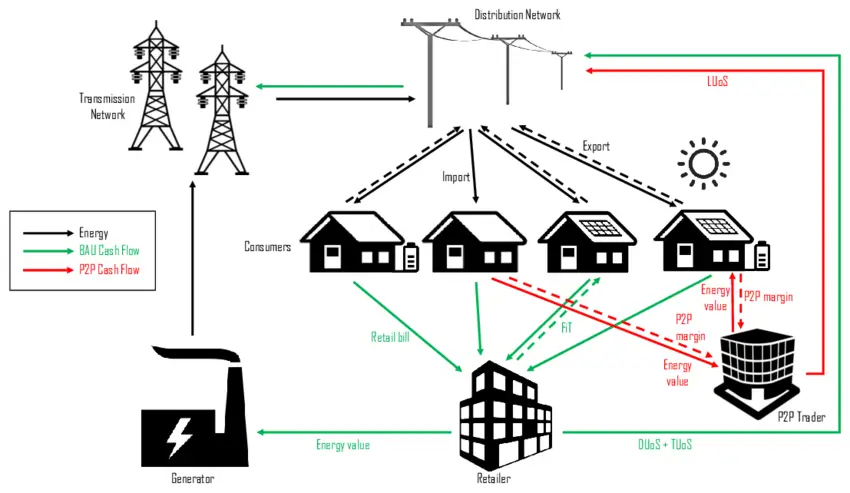
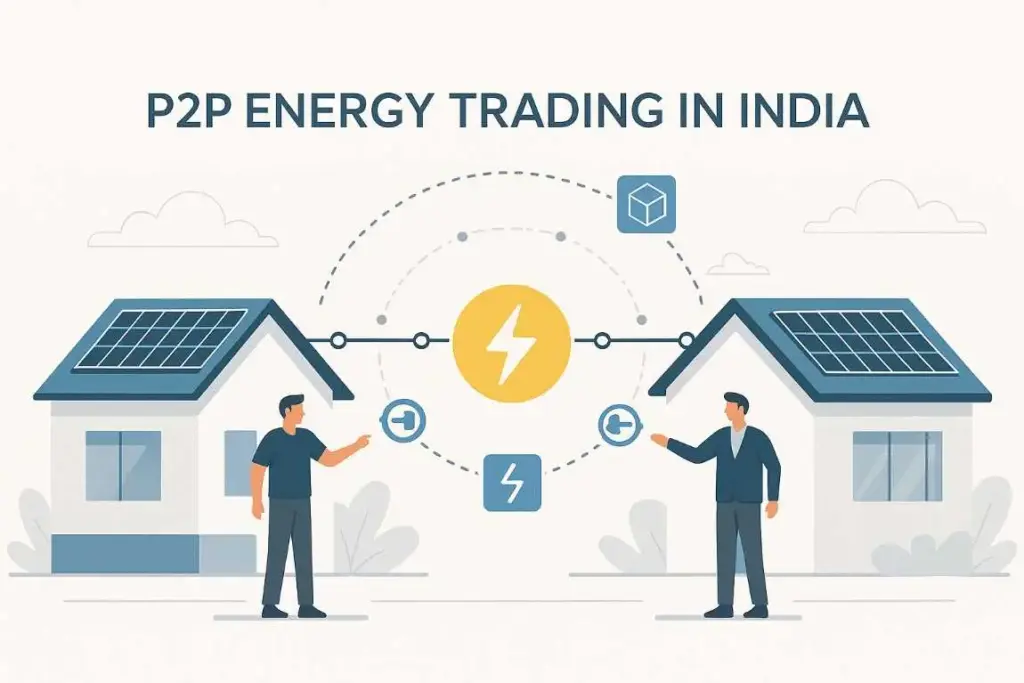
Delhi launches first Peer-to-Peer trading app refers to a regulated digital platform where electricity consumers and solar “prosumers” can trade surplus renewable energy directly with one another, instead of relying solely on conventional net-metering arrangements.
Under existing net-metering systems, surplus rooftop solar power is exported to the grid and adjusted against future consumption at predefined rates. In contrast, the new peer-to-peer (P2P) model allows sellers and buyers to negotiate prices within regulatory caps, offering potentially better returns for rooftop owners and lower tariffs for buyers.
The pilot was formally unveiled during the India AI Impact Summit 2026, highlighting the integration of digital infrastructure with renewable energy markets. According to coverage by The Times of India, the platform is integrated into the broader India Energy Stack (IES) digital framework.
How the Delhi Peer-to-Peer Solar Trading App Works
Eligibility and Participation
Participation in the Delhi launches first Peer-to-Peer trading app platform requires:
- A rooftop solar system with a net meter installed and verified.
- A smart meter capable of recording time-stamped electricity consumption and export data.
- Registration through an authorised mobile or web-based trading application.
The pilot is being implemented by BSES Rajdhani Power Limited (BRPL), Tata Power Delhi Distribution Limited (TPDDL), and Paschimanchal Vidyut Vitran Nigam Limited (PVVNL).
Each participating distribution company will initially onboard around 1,000 consumers and prosumers during the six-month trial phase.
Transaction Process
Once registered:
- Prosumers list surplus solar units available for sale.
- Buyers submit purchase requests.
- The system matches bids and offers based on price and availability.
- Transactions are recorded digitally.
- Adjustments appear in monthly electricity bills issued by the DISCOM.
According to DERC guidelines, distribution companies remain responsible for grid stability and billing settlements, ensuring consumer protection during the pilot phase.
Financial Implications for Rooftop Solar Owners
Under conventional net metering, compensation rates are typically tied to retail tariffs or predetermined banking arrangements. In the P2P model, rooftop solar owners may secure better returns if buyers agree to higher negotiated rates.
While DERC has not disclosed final price caps publicly, officials indicated that transactions must remain within regulated parameters to prevent speculative pricing.
Energy economist Dr. Meera Venkataraman, a policy researcher at a Delhi-based think tank, said that “P2P trading can improve price discovery in distributed renewable markets while maintaining regulatory oversight.”
However, she cautioned that actual income gains will depend on local demand, rooftop penetration levels, and tariff structures.
Benefits for Buyers
Consumers without rooftop access — particularly apartment residents or commercial users — can purchase solar electricity from verified prosumers.
Smarten Power IPO का ₹50 करोड़ का IPO खुलेगा कल, पहले जानें कंपनी प्रोफाइल, कीमत और रिस्क फैक्टर
In theory, buyers may obtain green power at rates lower than standard retail tariffs, particularly during peak solar generation hours. DERC officials stated that buyers benefit from:
- Access to renewable electricity.
- Transparent pricing through digital dashboards.
- Potentially lower energy costs.
However, consumer rights groups have emphasised the importance of clear disclosure of transaction fees and billing adjustments.
The Technology Infrastructure Behind the Platform
The Delhi launches first Peer-to-Peer trading app system relies on:
- Smart meters for interval-based measurement.
- Secure digital identity verification.
- Integration with the India Energy Stack (IES).
- Encrypted data exchange between participants and DISCOMs.
The India Energy Stack aims to create a standardised digital backbone for India’s electricity ecosystem, similar to Aadhaar and UPI frameworks in identity and payments. Officials said that transaction integrity and cybersecurity safeguards were prioritised during pilot development.
Regulatory Oversight and Consumer Protection
DERC approved the pilot with safeguards including:
- A fixed pilot duration of six months.
- Limits on transaction volumes.
- Monitoring of grid stability impacts.
- Transparent settlement mechanisms.
The regulator retains authority to suspend or modify the scheme based on operational findings. A DERC spokesperson stated during a public briefing that “consumer interest, billing transparency and grid reliability remain paramount during the pilot phase.”
Delhi’s Rooftop Solar Landscape
Delhi has over 300 megawatts of rooftop solar capacity installed, according to state energy department estimates. However, rooftop penetration remains modest relative to total electricity demand.
Experts note that P2P trading viability depends on a robust base of rooftop producers. Without sufficient distributed generation, trading liquidity may remain limited.
Professor R.K. Sharma, an energy systems expert at the Indian Institute of Technology Delhi, observed that “peer-to-peer energy markets require scale and digital literacy to function efficiently.”
Broader National Context
India has committed to achieving 500 gigawatts of non-fossil fuel energy capacity by 2030. Rooftop solar plays a critical role in decentralising generation. The Pradhan Mantri Surya Ghar: Muft Bijli Yojana aims to promote rooftop adoption through subsidies and simplified processes.
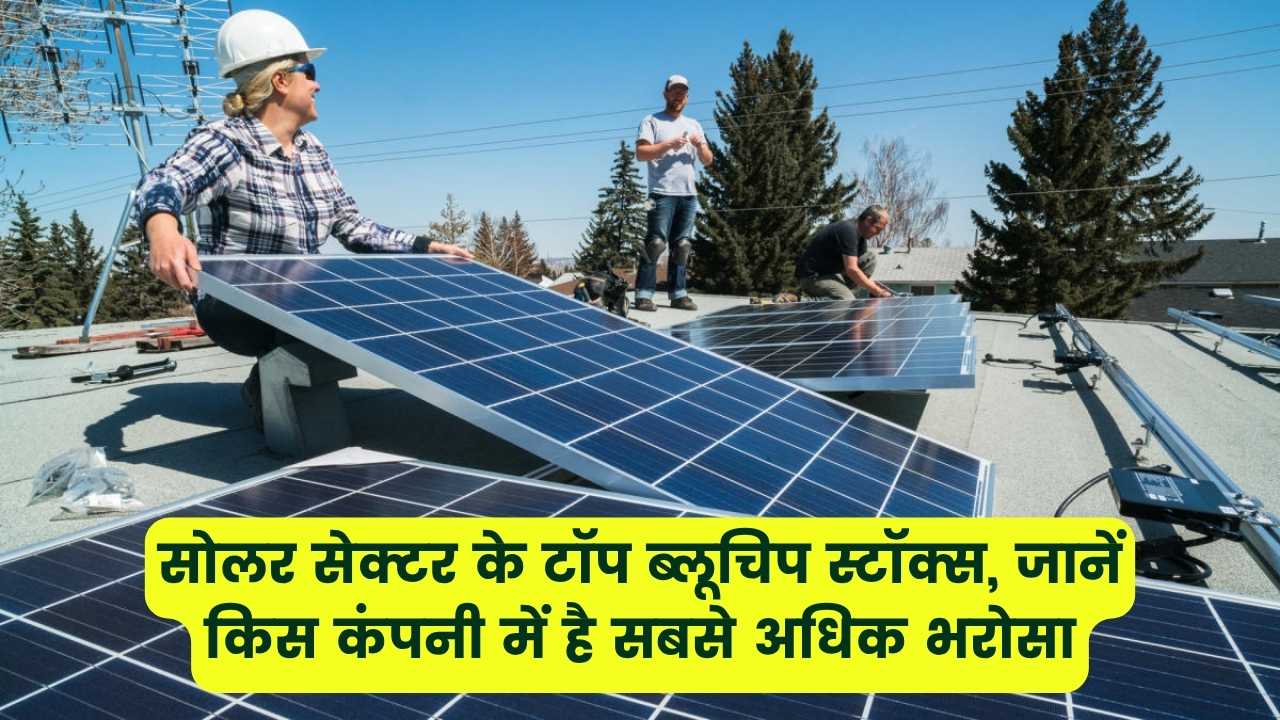
The Delhi pilot aligns with this broader renewable push by offering new incentives to rooftop owners beyond simple bill offsets.
Energy policy analysts say distributed trading platforms could complement national decarbonisation goals if integrated responsibly.
Early Reactions and Industry Perspectives
A spokesperson from Tata Power DDL said the pilot reflects “the next evolution of distributed energy participation.” Meanwhile, renewable advocacy groups welcomed the move but called for careful evaluation of pricing fairness and consumer safeguards.
Energy economist Dr. Venkataraman added that “if successful, Delhi’s experiment could become a template for other urban centres.”
Related Links
Agrivoltaics: Grow High-Value Crops Under Solar Panels; Doubling Farmers’ Income.
Iron-Air Battery: 100 Hours of Backup! 10 Times Cheaper and Safer Than Lithium.
What Happens After the Pilot?
DERC will review operational data after six months, assessing:
- Consumer participation rates.
- Grid impact.
- Pricing trends.
- Revenue outcomes for prosumers.
If deemed successful, the regulator may expand eligibility and transaction limits.
Delhi’s launch of a Delhi launches first Peer-to-Peer trading app platform marks a significant shift in India’s distributed energy landscape. By enabling rooftop solar owners to sell surplus electricity directly to consumers through a regulated digital marketplace, the initiative introduces price flexibility and consumer participation into local power systems.
While technical and regulatory challenges remain, the pilot represents a bold step toward a more empowered, decentralised, and consumer-centric electricity system in India.