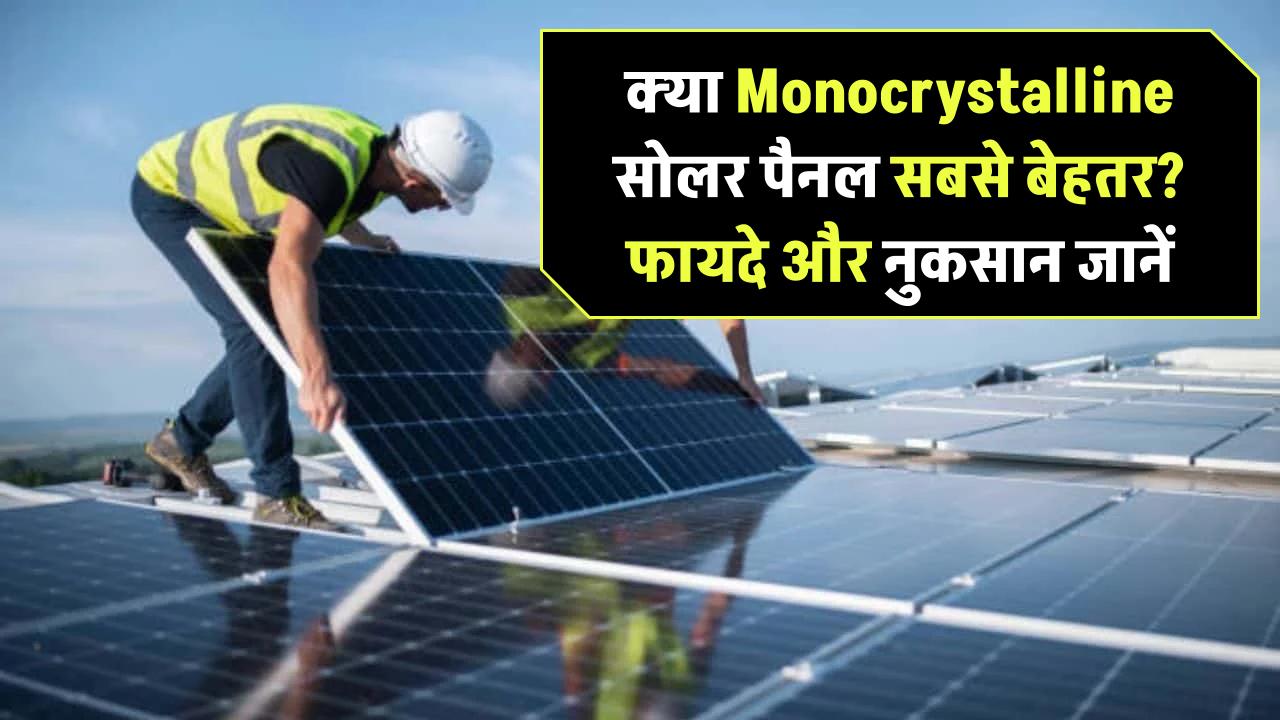

The Government of India has expanded its rooftop solar subsidy framework for 2026 under the Pradhan Mantri Surya Ghar: Muft Bijli Yojana, enabling eligible households to receive up to ₹78,000 through Direct Benefit Transfer (DBT).
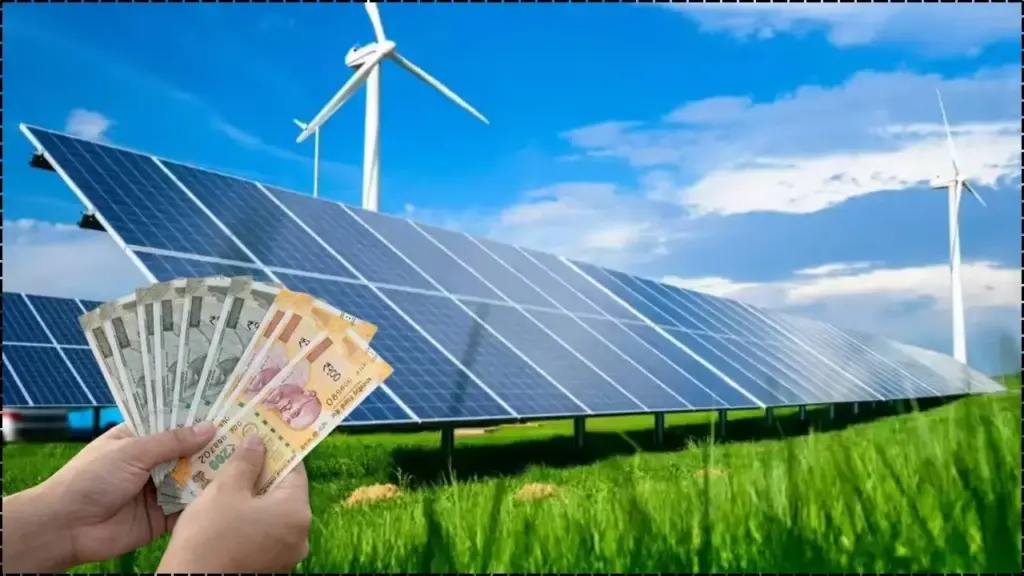
The move aims to accelerate residential solar adoption, reduce electricity bills and support India’s clean energy targets. Officials say the revised structure simplifies applications and improves subsidy disbursal efficiency nationwide.
Budget Allocation and 2026 Rollout Plan
The rooftop solar expansion forms part of the broader renewable energy allocation announced in recent budgetary provisions. Government officials have indicated that tens of thousands of crores have been earmarked over multiple years to support residential installations under this programme.
The stated objective is to support approximately one crore households over the implementation period. In 2026, priority will be given to households that complete registration and feasibility approval early in the cycle.
Energy policy analysts note that sustained funding allocation signals long-term commitment rather than short-term electoral support.
What the ₹78,000 Rooftop Solar Subsidy Covers
The central financial assistance remains structured as follows:
- ₹30,000 per kW for the first 2 kW
- ₹18,000 per kW for the third kW
- Maximum subsidy capped at ₹78,000
The scheme applies to grid-connected rooftop solar systems installed through MNRE-approved vendors. A typical 3 kW residential system costs between ₹1.4 lakh and ₹1.8 lakh depending on location and vendor. After subsidy, net upfront cost may reduce substantially.
How Direct Benefit Transfer (DBT) Ensures Faster Payment
The Direct Benefit Transfer mechanism ensures subsidy funds are credited directly to the applicant’s verified bank account.
The process involves:
- Online application via the national rooftop solar portal
- DISCOM feasibility clearance
- Installation by empanelled vendor
- Technical inspection and commissioning
- DBT credit within approximately 30–60 days
According to MNRE officials, DBT reduces procedural bottlenecks and minimises delays linked to intermediary processing.
Eligibility Criteria Explained
To qualify for subsidy:
- Applicant must be an Indian residential electricity consumer
- Applicant must own the property where installation occurs
- Rooftop must meet structural and sunlight exposure standards
- No prior central rooftop solar subsidy claimed
Group housing societies may qualify under separate norms for common area systems. Officials advise consumers to verify vendor empanelment status before proceeding.
Comparison With Earlier Rooftop Solar Schemes
India’s earlier rooftop solar programmes faced slower uptake due to complex application procedures and delayed subsidy release.
Key improvements in 2026 include:
- Simplified digital registration
- DBT-based disbursal
- Standardised vendor empanelment
- Increased public awareness campaigns
Renewable energy analysts say these reforms address structural weaknesses in earlier schemes.
State-Level Adoption Snapshot
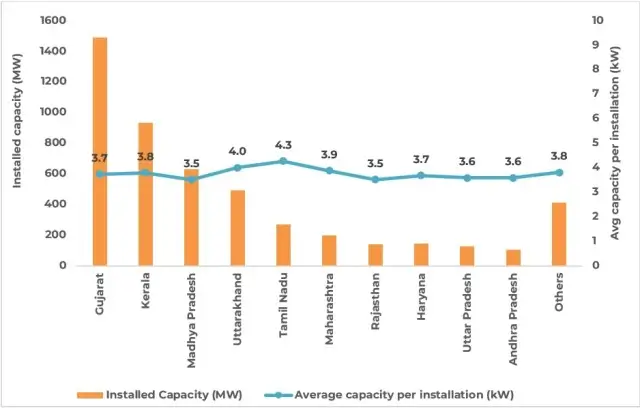
States such as Gujarat, Rajasthan and Maharashtra have historically led rooftop solar installations.
According to industry reports:
- Gujarat’s early adoption model contributed significantly to rooftop solar penetration.
- Rajasthan benefits from high solar irradiance.
- Maharashtra has seen rising urban installations.
However, adoption in eastern and north-eastern states remains comparatively lower.
Electricity Savings and Financial Payback
A 3 kW rooftop system typically generates 12–15 units per day depending on location. Households consuming around 250–300 units monthly may:
- Offset most grid consumption
- Achieve substantial bill reduction
- Recover installation cost within 4–6 years
After payback, electricity generation effectively becomes cost-neutral except for maintenance.
Impact on DISCOMs and Grid Stability
While rooftop solar reduces household bills, it also affects DISCOM revenue structures. Energy economists note that widespread rooftop adoption may reduce cross-subsidy contributions from residential consumers. This may require tariff reforms or new business models for utilities.
At the same time, distributed solar reduces peak load pressure and transmission losses. Experts emphasise the importance of grid modernisation and smart metering integration to manage distributed generation efficiently.
GST, Tax and Regulatory Clarifications
Residential rooftop solar installations currently attract reduced GST rates on system components.
Consumers are advised to:
- Confirm GST inclusion in vendor quotation
- Retain tax invoices
- Ensure net-metering approval is documented
Subsidy amounts received through DBT are generally treated as capital support rather than taxable income, but households should consult tax advisors for clarity.
Safeguarding Against Fraud
Authorities have warned against fraudulent agents claiming “instant approval” outside the official portal.
Consumers should:
- Apply only through the official government portal
- Avoid upfront cash payments without documentation
- Verify vendor credentials
- Confirm DISCOM registration
Cybersecurity experts advise against sharing OTPs or banking credentials with unauthorised agents.
Expert Perspectives
Dr. Radhika Khosla, climate policy expert at the University of Oxford, has previously highlighted that subsidy design must balance affordability with grid readiness.
Energy finance analysts state that DBT-based subsidy frameworks improve transparency and build public confidence.
A senior renewable energy official recently said the programme is designed to “turn consumers into prosumers” — individuals who both produce and consume electricity.
Employment and Manufacturing Boost
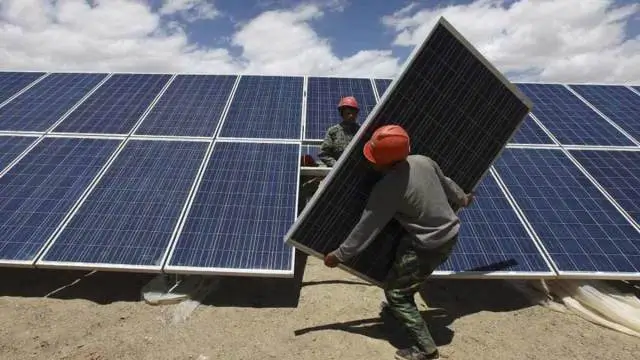
Rooftop solar expansion supports:
- Installation workforce growth
- Domestic module manufacturing
- Inverter and battery production
- Local service ecosystem development
Industry estimates suggest rooftop expansion could generate thousands of jobs in installation, inspection and maintenance sectors.
Roadmap to 2030
India aims to expand rooftop solar significantly as part of its 500 GW non-fossil capacity target by 2030. Policy experts indicate future reforms may include:
- Enhanced battery integration
- Peer-to-peer energy trading frameworks
- Smart grid upgrades
- Urban building code integration
The 2026 subsidy revision represents an intermediate milestone rather than the final stage.
Related Links
The 2026 rooftop solar subsidy expansion under the PM Surya Ghar scheme reinforces India’s push toward decentralised renewable energy. By offering up to ₹78,000 via Direct Benefit Transfer, the government has lowered the financial barrier for residential adoption.
While implementation and grid integration challenges remain, the revised framework strengthens transparency, affordability and long-term clean energy momentum.
FAQs
Is the subsidy available for commercial properties?
No, the central scheme focuses on residential consumers.
Can I combine state subsidy with central subsidy?
In many states, yes. However, total financial assistance may be capped.
What happens if DISCOM rejects feasibility?
Installation cannot proceed unless technical issues are resolved.
Is battery storage covered under subsidy?
Currently, subsidy applies to grid-connected rooftop systems, not standalone battery systems.