
Kerala is set to establish India’s first all-solar ferry terminal in Vaikom, marking a significant milestone in the state’s clean transport efforts.

The project, led by the Kerala State Water Transport Department (SWTD), will power terminal operations and ferry charging systems entirely through solar energy, reducing diesel use and lowering emissions across one of the region’s busiest inland water routes.
Kerala’s Waterways Go Green
The all-solar ferry terminal in Vaikom is being positioned as the first facility in India where both terminal infrastructure and ferry support systems will run exclusively on solar energy. While solar-powered ferries have operated in Kerala for several years, this is the first time the shore-side infrastructure will be fully integrated into a renewable energy system.
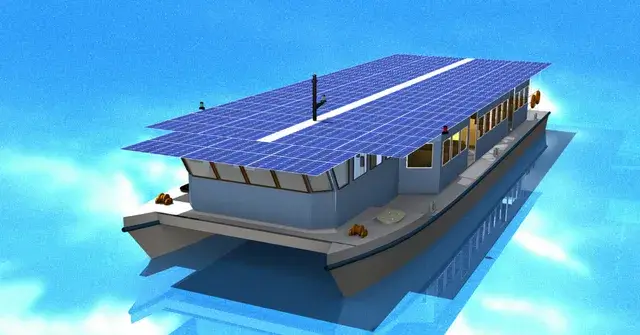
Officials from the Kerala State Water Transport Department (SWTD) said the terminal will include rooftop photovoltaic panels, battery storage units, and electric charging points for solar-electric vessels. The energy generated during the day will power lighting, ticket counters, digital displays, and administrative offices.
A senior SWTD engineer stated that the objective is to “create a self-sustaining, low-emission ferry hub that can operate independently of conventional power sources during most of the year.”
The Vaikom–Thavanakkadavu route, one of the busiest short-distance ferry corridors in central Kerala, will be the primary beneficiary of the upgraded infrastructure.
Kerala’s Solar Ferry Experience
Kerala has been an early adopter of solar-electric ferries. In 2017, SWTD launched Aditya, recognised as India’s first commercially operated solar-powered passenger ferry. The vessel operates on the Vaikom route and significantly reduced diesel consumption compared to older boats.
According to data released by SWTD in previous years, Aditya saved thousands of litres of diesel annually and cut operating costs by reducing fuel dependency. Since then, additional solar-electric ferries have been introduced across the network.
Kerala operates more than 70 ferries across inland waterways, and officials have indicated that nearly half are being evaluated for conversion to cleaner propulsion systems.
The new all-solar ferry terminal builds on this experience by aligning shore-based infrastructure with renewable-powered vessels.
How the All-Solar Ferry Terminal Will Function
Solar Power Generation and Storage
The terminal complex will be fitted with solar panels mounted on rooftops and covered waiting areas. These panels will generate electricity during daylight hours.
Battery storage systems will store excess power for use during evenings and low-sunlight periods. Officials said backup grid connectivity will remain in place to ensure uninterrupted service during heavy monsoon cloud cover.
Electric Ferry Charging Infrastructure
The upgraded terminal will include shore-based charging stations for solar-electric ferries. While these vessels carry onboard solar panels, shore charging improves operational reliability.
Marine engineers note that solar-electric ferries operate quietly and produce no direct exhaust emissions, reducing noise and water pollution in sensitive backwater ecosystems.
Environmental Significance for Kerala’s Backwaters
Kerala’s inland waterways support fishing communities, tourism operators, and daily commuters. Diesel spills and exhaust emissions have historically contributed to environmental concerns.
Environmental researchers point out that even modest reductions in marine diesel usage can help preserve water quality in enclosed lagoon systems.
A 2022 report from India’s Ministry of New and Renewable Energy (MNRE) highlighted solar mobility solutions as viable options for reducing lifecycle emissions in transport sectors where electrification is feasible.

By shifting to renewable-powered ferry infrastructure, Kerala aims to lower carbon emissions and reduce fuel-related contamination risks.
Economic and Operational Impact
While solar installations require significant initial investment, transport economists argue that long-term savings from reduced fuel consumption can offset capital costs.
Fuel expenses represent a major share of ferry operating budgets. Officials say the transition to solar energy could stabilise long-term operating costs and reduce exposure to diesel price volatility.
The Vaikom project also aligns with Kerala’s broader strategy to modernise public transport services, improve passenger comfort, and attract tourism.
Passenger Experience and Terminal Design
The proposed all-solar ferry terminal includes several design upgrades beyond energy infrastructure.
Plans indicate shaded waiting areas, LED lighting, digital ticketing counters, public information systems, and improved accessibility for elderly and disabled passengers.
Architectural planners involved in similar government projects emphasise the use of energy-efficient materials and ventilation systems to reduce cooling loads.
Alignment with National Renewable Energy Goals
India has set ambitious renewable energy targets, including achieving 500 gigawatts of non-fossil fuel capacity by 2030. Transport electrification forms a key part of the country’s climate commitments under the Paris Agreement.
While inland water transport accounts for a smaller share of national mobility, it offers a controlled environment for clean technology adoption.
Officials in Kerala say that demonstration projects such as the Vaikom all-solar ferry terminal can serve as models for other states with extensive inland waterways, including West Bengal and Assam.
Technical Challenges and Climate Considerations
Despite strong support for the initiative, experts caution that operational challenges remain. Kerala experiences heavy monsoon seasons, which can reduce solar generation for extended periods. Engineers say that battery capacity and hybrid safeguards are essential to ensure uninterrupted service.
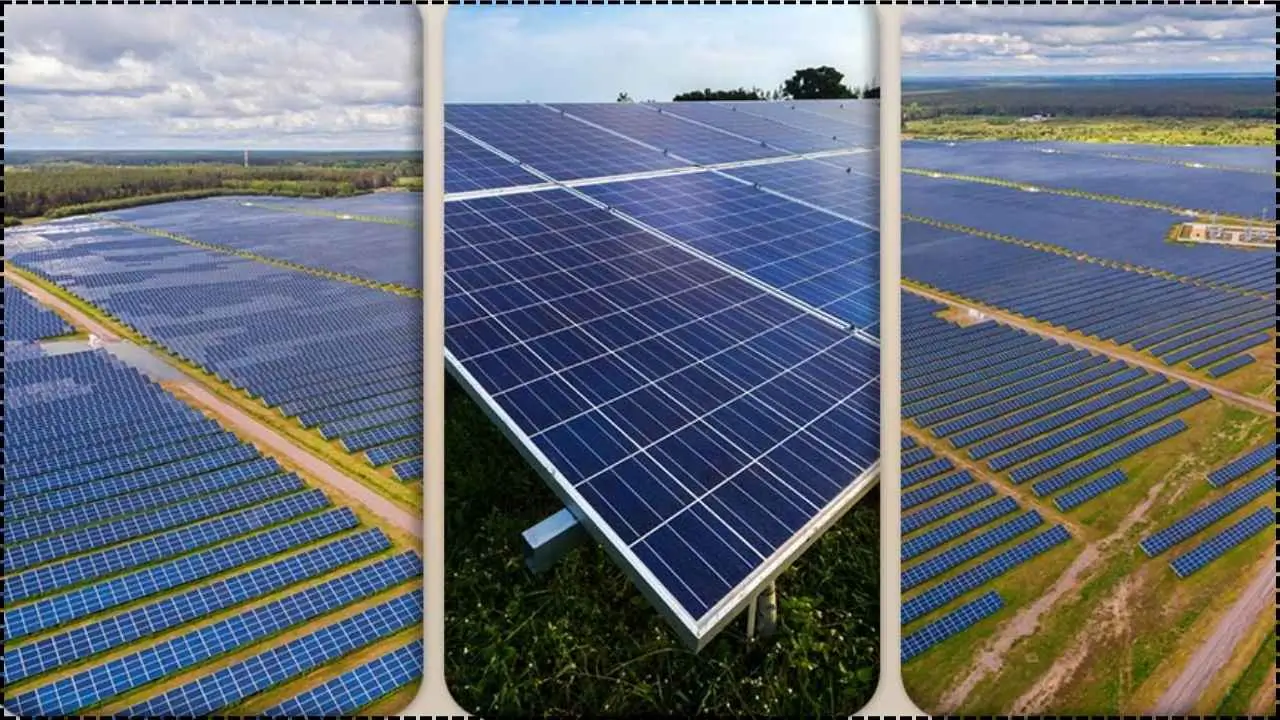
Maintenance of solar panels in humid, saline environments also requires regular cleaning and inspection.
Energy analysts stress that long-term performance monitoring will determine whether such terminals can be scaled statewide.
Employment and Local Development Benefits
The project may also generate indirect economic benefits. Installation and maintenance of solar infrastructure require skilled technicians.
Local authorities anticipate that improved ferry services could support tourism in Vaikom, a town known for its temples and access to Kerala’s backwaters. Community representatives have expressed cautious optimism, noting that reliable ferry connectivity is essential for daily commuters and small businesses.
Broader Implications for Sustainable Water Transport
Globally, electric ferries are gaining traction in Europe and parts of Asia. Norway, for example, has expanded battery-powered ferry fleets as part of its decarbonisation strategy.
Transport experts suggest that Kerala’s approach reflects a decentralised innovation model, where state-level experimentation complements national policy frameworks.
If successful, the Vaikom all-solar ferry terminal could demonstrate how renewable-powered infrastructure can support low-emission mobility in water-based transport systems.
Related Links
Agrivoltaics: Grow High-Value Crops Under Solar Panels; Doubling Farmers’ Income.
Iron-Air Battery: 100 Hours of Backup! 10 Times Cheaper and Safer Than Lithium.
The all-solar ferry terminal in Vaikom represents a significant step in Kerala’s transition toward cleaner inland water transport. By integrating renewable energy into both ferry operations and terminal infrastructure, the state aims to reduce emissions, cut fuel costs, and improve service sustainability.
While technical and climatic challenges require careful management, the initiative reflects a broader policy shift toward environmentally responsible public transport.
Its long-term success will depend on effective implementation, maintenance standards, and measurable performance outcomes.