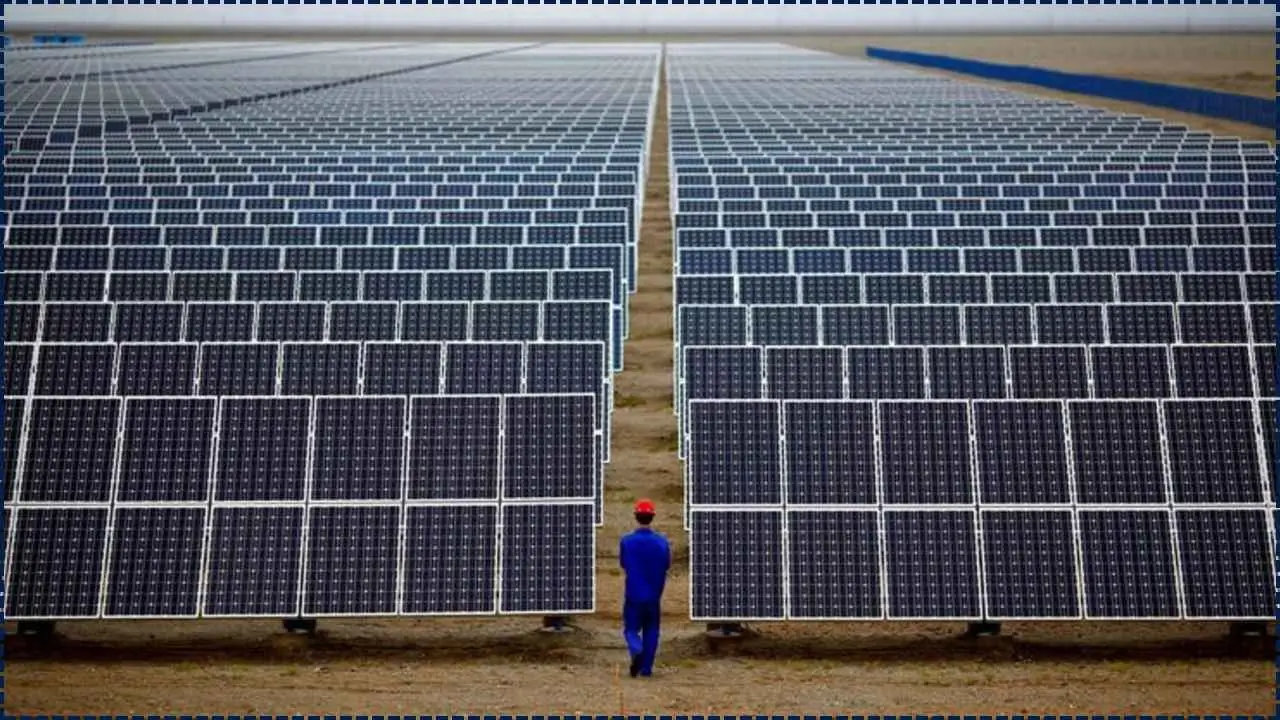

Renewable energy developer CleanMax Enviro Energy Solutions Ltd. will open its ₹3,100 crore CleanMax ₹3,100 Cr public issue for public subscription on February 23, in what is being described as one of the largest listings in India’s commercial solar segment.

The three-day issue, closing February 25, offers investors exposure to a fast-growing corporate renewable power market amid strong national clean energy expansion.
CleanMax ₹3,100 Cr public issue Structure and Key Details
According to the Red Herring Prospectus (RHP) filed with the Securities and Exchange Board of India (SEBI), the IPO comprises a mix of fresh equity issuance and an offer for sale (OFS) by existing shareholders.
Issue Breakdown:
- Fresh Issue: ₹1,200 crore
- Offer for Sale: ₹1,900 crore
- Total Issue Size: ₹3,100 crore
- Price Band: ₹1,000 to ₹1,053 per share
- Face Value: ₹1 per share
- Lot Size: 14 shares
- Listing: NSE and Bombay Stock Exchange (BSE)
At the upper price band, the minimum retail investment stands at approximately ₹14,742.
The allocation follows SEBI norms:
- Up to 50% for Qualified Institutional Buyers (QIBs)
- At least 35% for Retail Individual Investors (RIIs)
- At least 15% for Non-Institutional Investors (NIIs)
- A small portion reserved for eligible employees
Timeline of the Offering
- Anchor Investor Allocation: February 20
- Public Subscription Opens: February 23
- Public Subscription Closes: February 25
- Basis of Allotment: Expected February 26
- Refunds / Credit to Demat: February 27
- Tentative Listing: March 2
The tight schedule reflects standard timelines for large-cap Indian IPOs.
Company Profile: CleanMax’s Business Model
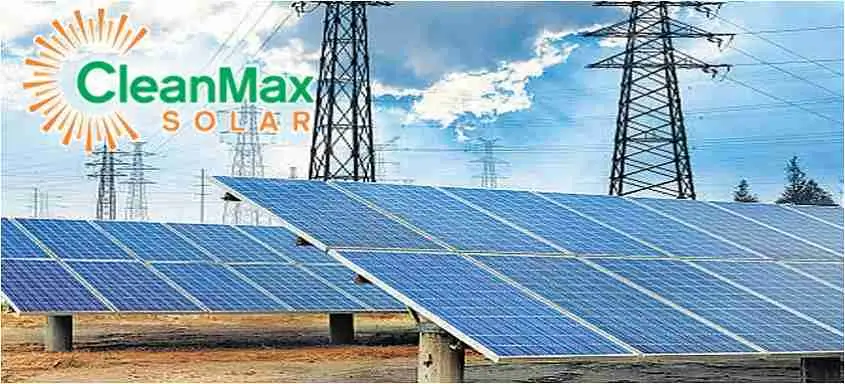
Founded in 2011, CleanMax operates in the commercial and industrial (C&I) renewable energy space. Unlike utility-scale developers that sell electricity to state discoms, CleanMax supplies renewable energy directly to corporate customers under long-term power purchase agreements (PPAs).
The company develops, owns, and operates solar, wind, and hybrid renewable energy assets. As per the RHP, CleanMax had approximately 2.5 gigawatts (GW) of operational renewable capacity as of mid-2025, with a nearly equivalent pipeline under construction or contracted.
Its clients include manufacturing firms, IT parks, automotive companies, and data centres seeking stable renewable supply and lower carbon emissions.
Energy analysts say the C&I segment offers stronger pricing compared to government auctions, though it requires rigorous credit risk assessment of private customers.
Financial Snapshot and Balance Sheet Considerations
CleanMax’s financial profile reflects the capital-intensive nature of renewable infrastructure. Revenue has shown consistent growth in recent years, supported by long-term PPAs. However, profitability has fluctuated due to project commissioning timelines, financing costs, and depreciation.
The company reported improved profitability in the latest fiscal year compared to earlier periods of losses.
Use of Proceeds
The fresh issue proceeds of ₹1,200 crore will primarily be used to:
- Repay or prepay certain borrowings
- Strengthen the balance sheet
- Support general corporate purposes
Debt reduction is central to the strategy. Renewable energy projects typically involve high upfront capex funded through debt. Lower leverage may improve interest coverage ratios and credit standing.
A Mumbai-based infrastructure analyst noted, “Reducing debt through IPO proceeds can enhance long-term financial flexibility, particularly in a rising interest rate environment.”
Industry Context: India’s Renewable Growth Story
India is one of the world’s fastest-growing renewable energy markets. The government has committed to achieving 500 GW of non-fossil fuel capacity by 2030.
Solar capacity additions have accelerated under central policies, including the Production-Linked Incentive (PLI) scheme for high-efficiency modules and various rooftop subsidy programmes.
Corporate decarbonisation commitments are also driving demand. Many Indian and multinational companies have pledged to transition to renewable power, creating long-term demand for C&I PPAs.
CleanMax’s business aligns with this trend, positioning it as a beneficiary of corporate sustainability mandates.
Competitive Landscape and Market Position
CleanMax competes with other renewable energy firms operating in both C&I and utility segments. While some competitors possess larger diversified portfolios, CleanMax’s focus on corporate clients allows tailored solutions and customised PPAs.
However, competition is intensifying as new developers enter the C&I market. Analysts caution that aggressive bidding for corporate clients may compress margins over time. Market share retention will depend on execution quality, customer relationships, and financing efficiency.
Valuation and Market Sentiment
At the upper end of the price band, CleanMax’s implied market capitalisation would position it among mid-sized renewable energy companies in India. Valuation multiples must be assessed relative to earnings stability, pipeline visibility, and leverage levels.
Grey market premiums (GMP) suggest moderate listing expectations. However, financial experts caution that GMP is unofficial and volatile, and should not be used as a primary investment decision metric.
Institutional subscription levels, particularly QIB demand, often serve as a stronger indicator of long-term confidence.
Risk Factors Investors Should Assess
The RHP outlines several material risks:
- Regulatory risks linked to open access and renewable purchase obligations
- Dependence on creditworthy corporate customers
- Exposure to interest rate changes
- High capital expenditure requirements
- Execution risks in project development
Renewable energy returns are sensitive to policy continuity and tariff stability. Changes in state-level regulations could impact project economics. Additionally, project delays or cost overruns may affect cash flows.
Green Ammonia 2026: How Solar-Powered Fertilizer Plants are Lowering Costs for Indian Farmers
Environmental and Strategic Significance
CleanMax’s listing reflects growing capital market participation in renewable energy. Public listing enhances transparency and accountability, while providing access to growth capital.
Energy policy specialists argue that scaling renewable developers through equity markets may accelerate India’s energy transition. However, long-term performance will depend on disciplined capital allocation and project-level returns.
Broader Implications for Renewable IPOs
The CleanMax CleanMax ₹3,100 Cr public issue comes amid rising investor interest in infrastructure and ESG-aligned assets. Recent renewable IPOs have demonstrated that investor appetite remains strong when supported by predictable cash flows and growth pipelines.
At the same time, global market volatility and rising interest rates have tempered valuations across capital-intensive sectors. Analysts suggest that CleanMax’s performance may influence future renewable listings in India.
What Retail Investors Should Evaluate
Before subscribing, investors may consider:
- Debt-to-equity ratio post-IPO
- Return on equity trends
- Revenue concentration among top clients
- Project pipeline visibility
- Sensitivity to policy changes
Independent financial advisers recommend reading the RHP carefully and aligning investment decisions with risk tolerance and portfolio diversification strategies.
Related Links
Vehicle-to-Grid (V2G): Your Car Can Save the Grid! Earn Money by Selling Power Back.
CleanMax’s ₹3,100 crore CleanMax ₹3,100 Cr public issue marks a significant milestone for India’s renewable capital markets. The offering provides exposure to a growing corporate renewable energy segment supported by long-term PPAs and expanding capacity.
While sector fundamentals appear favourable, risks related to regulation, competition, and leverage persist.
As the subscription window opens on February 23, investors will assess CleanMax’s growth trajectory, valuation metrics, and balance sheet strength before participating in what is poised to be the solar sector’s biggest debut this year.