
As India faces another scorching summer, frequent power cuts are once again disrupting daily life. However, lithium‑ion and sodium‑ion battery storage systems are emerging as a reliable solution for Indian households.
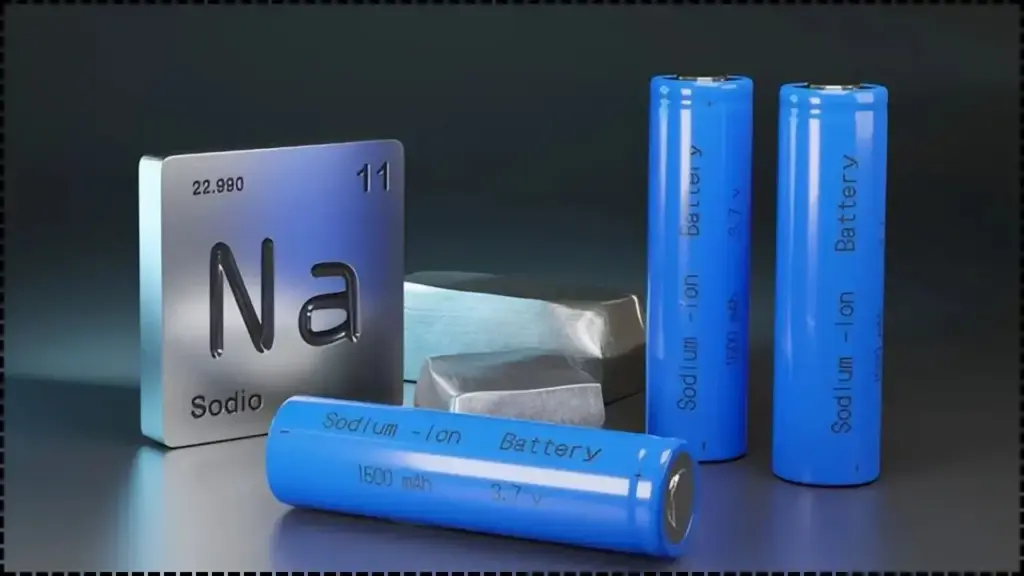
These technologies offer energy security, allowing homes to store excess power and use it during blackouts, ensuring a consistent supply of electricity even during peak demand.
The Growing Power Cut Problem in India
India’s power sector is under pressure, particularly during the summer months, when electricity demand peaks due to rising temperatures. With a population of over 1.4 billion people and a rapidly expanding economy, the country’s electricity grid often struggles to meet the growing demand.
In regions like Delhi, Mumbai, and parts of Uttar Pradesh and Rajasthan, unscheduled power cuts have become a common occurrence, affecting businesses, industries, and households alike. In 2025, India’s electricity demand grew by 7%, exacerbating the frequency of grid failures, especially during hot spells.
The Central Electricity Authority (CEA) has warned of significant strain on the grid as residential and industrial electricity usage peaks. In response, battery storage technologies like lithium‑ion and sodium‑ion are increasingly seen as a vital component in ensuring energy security and combating the ongoing issue of power outages.
Lithium‑ion Batteries: The Popular Choice for Indian Homes
What Are Lithium‑ion Batteries?
Lithium‑ion batteries (Li‑ion) have been the dominant choice for residential energy storage systems due to their high energy density, long lifespan, and relatively compact design. These batteries store excess electricity generated by rooftop solar panels during the day, allowing homeowners to use stored energy during power cuts or at night.
In India, solar power generation has grown rapidly in recent years, with rooftop solar panels becoming more affordable and accessible.
In fact, India’s rooftop solar capacity surpassed 7.5 GW in 2025, and experts predict it will continue to grow as solar energy remains the most viable renewable option.
Why Lithium‑ion Batteries are Ideal for Indian Homes
- High Efficiency and Longevity: Lithium‑ion batteries typically have high efficiency, ranging from 90% to 95%, meaning most of the stored energy can be effectively used. Additionally, Li‑ion batteries last up to 10 to 15 years, making them a cost-effective solution for long-term energy independence.
- Affordable Pricing: The cost of lithium‑ion batteries has significantly reduced over the past decade. In 2026, the cost of a lithium‑ion battery for home use has dropped to approximately INR 40,000–60,000 for a 5kWh unit. This makes them increasingly affordable for middle-class households, especially with government incentives and subsidies for solar-plus-storage systems.
- Easy Integration with Solar Power: Lithium‑ion batteries are widely compatible with rooftop solar panels, allowing users to store excess solar energy for later use. This capability is crucial for households in areas with frequent power cuts, as they can rely on solar energy during the day and use the stored power at night or during outages.
- Smaller and More Flexible: Compared to traditional lead‑acid batteries, lithium‑ion batteries are more compact and flexible, which makes them suitable for smaller homes or apartments where space may be limited. Their versatility allows them to be installed both indoors and outdoors, depending on the space available.
Sodium‑ion Batteries: The New Player on the Block
What Are Sodium‑ion Batteries?
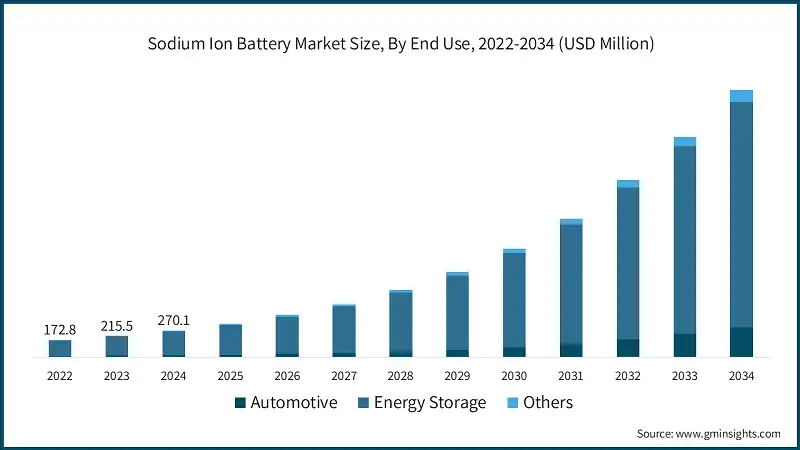
Sodium‑ion batteries (SiBs) are an emerging alternative to lithium‑ion technology, offering several potential advantages. Sodium, unlike lithium, is abundant and inexpensive, making sodium‑ion batteries more sustainable and less dependent on global lithium supply chains.
While sodium‑ion batteries are still in the early stages of commercial adoption, they are already generating interest in markets like India.
Why Sodium‑ion Batteries Matter for India
India, as one of the largest importers of lithium, is looking at sodium‑ion technology as a potential domestic alternative. Sodium is found abundantly in seawater and rocks, making it a far more economically viable and sustainable option than lithium for large‑scale energy storage.
- Lower Cost: Sodium‑ion batteries are less expensive to manufacture than lithium‑ion systems, and this lower cost could make them a popular choice for budget‑conscious households in India. Sodium is widely available, which makes sodium‑ion batteries more affordable and less prone to market volatility than lithium‑ion batteries.
- Improved Safety: Sodium‑ion batteries are generally considered safer than lithium‑ion batteries, which can experience thermal runaway (leading to fire risks) when damaged. Sodium‑ion technology is less prone to overheating, making it a safer alternative for residential use.
- Energy Density Improvements: Although sodium‑ion batteries traditionally had lower energy densities than lithium‑ion batteries, recent research has shown significant improvements in energy storage capacity. In the near future, sodium‑ion batteries may offer comparable performance to lithium‑ion batteries, making them a worthy competitor in the Indian market.
New solid-state sodium-ion batteries just dropped:
— Sydney EV 🔋☀️ (@sydney_ev) December 12, 2025
→ Cheaper than lithium
→ Virtually impossible to catch fire
→ 99.26% efficiency after 600 cycles
→ No cobalt, no lithium, no drama
This could kill Li-ion dominance for EVs & grid storage.. https://t.co/tLs5jgkZ3U
Battery Storage vs. Traditional Power Cuts: Why It’s Essential This Summer
As temperatures soar during the summer months, power cuts become more frequent, and grid electricity becomes even more expensive. For many Indian households, especially in rural areas, these outages disrupt daily life and create major challenges in keeping essential appliances running, especially fans, air conditioners, refrigerators, and water pumps.
Battery storage systems provide a seamless solution by allowing homes to store energy during low‑demand times (such as during the day, when solar energy is abundant) and use it during peak hours or outages.
This ensures that homes can remain powered throughout the day and night, without relying on expensive and often unreliable grid power.
Benefits of Battery Storage for Indian Homes
1. Uninterrupted Power Supply
Battery storage systems enable homes to remain powered even when the grid goes down. Whether caused by a technical fault or high demand, battery storage ensures that critical devices, such as lights, fans, and medical equipment, can continue to run during power cuts.
2. Cost Savings
By using stored solar energy instead of purchasing electricity from the grid, homeowners can significantly reduce their monthly energy bills. This is particularly advantageous during peak demand hours when grid power is most expensive.
3. Environmental Impact
With the growing adoption of solar power and energy storage, Indian homes can reduce their dependence on coal‑powered electricity, contributing to the nation’s carbon reduction goals and climate commitments.
4. Flexibility and Scalability
Both lithium‑ion and sodium‑ion battery systems can be easily scaled to meet the needs of different households. For larger homes or businesses, larger battery units can be installed, while smaller systems can suffice for smaller residences.
Government Support and Future Outlook
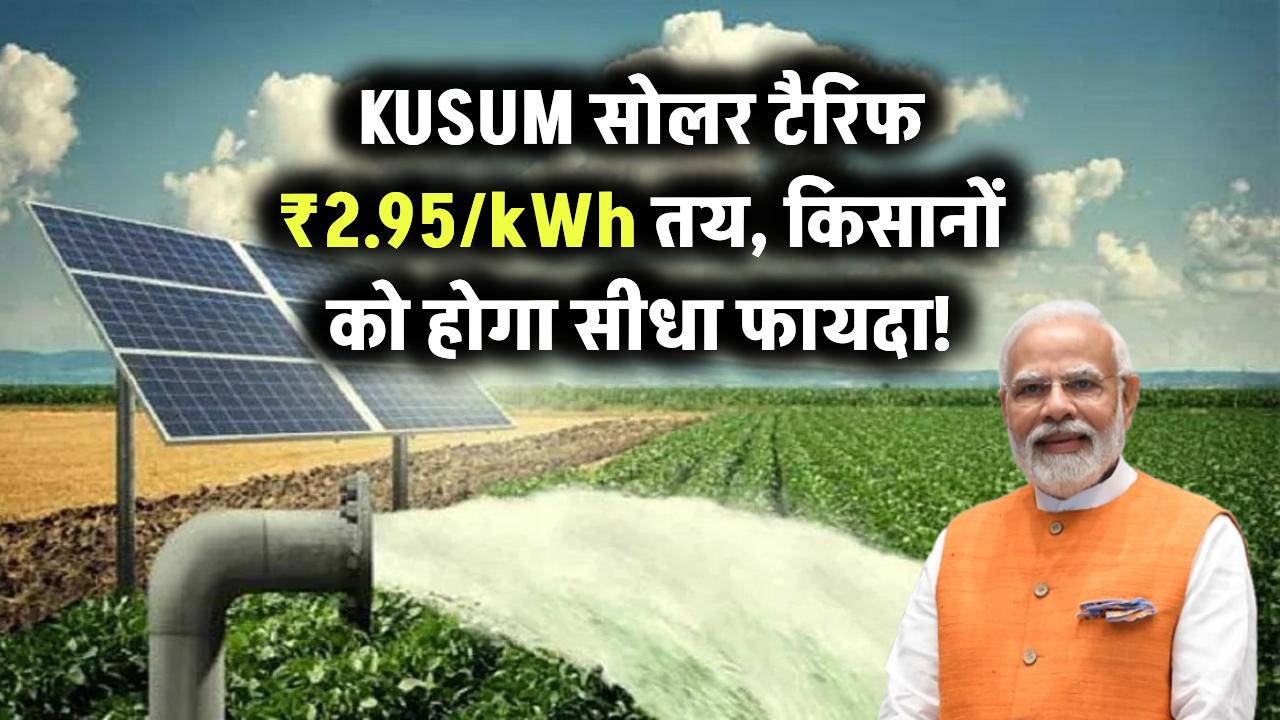
The Indian government has recognized the importance of energy storage in addressing power cuts and promoting the use of renewable energy. Programs like the Pradhan Mantri Kisan Urja Suraksha Evam Utthaan Mahabhiyan (PM‑KUSUM), which aims to promote solar energy and storage solutions, are already being implemented.
Additionally, the National Electric Mobility Mission Plan (NEMMP) is expected to incorporate energy storage solutions in residential areas.
In the future, further government incentives and subsidies will likely make battery storage systems more accessible to the general public.
With India’s push toward 100 GW of solar energy by 2030, battery storage solutions are expected to play an even larger role in stabilizing the grid and enabling homes to make the most of renewable energy.
Related Links
The Future of Power Cuts in India
With increasing temperatures and rising demand, the traditional power grid is simply not enough to meet the energy needs of Indian households. Lithium‑ion and sodium‑ion batteries are emerging as the most effective solution to power cuts, offering both reliability and cost savings.
As technology continues to improve and costs decrease, more Indian homes will likely adopt these storage systems, securing a cleaner, greener, and more resilient energy future.
FAQs
Q: How much can I save by installing battery storage systems?
A: Homeowners can save anywhere from 30% to 60% on their electricity bills by using battery storage systems, depending on the size of the system and their energy usage.
Q: Are sodium‑ion batteries safer than lithium‑ion batteries?
A: Yes, sodium‑ion batteries are considered to be safer than lithium‑ion batteries due to their lower risk of overheating and catching fire.
Q: What is the lifespan of lithium‑ion and sodium‑ion batteries?
A: Lithium‑ion batteries typically last 10‑15 years, while sodium‑ion batteries, though newer, are expected to last a similar length of time as the technology advances.