
As Australia continues to embrace solar energy, homeowners are increasingly turning to solar installers to cut electricity costs and reduce their environmental impact. However, with the surge in demand, many Australians are falling victim to poor service and scams when choosing a solar installer. In 2026, the risks are higher than ever.
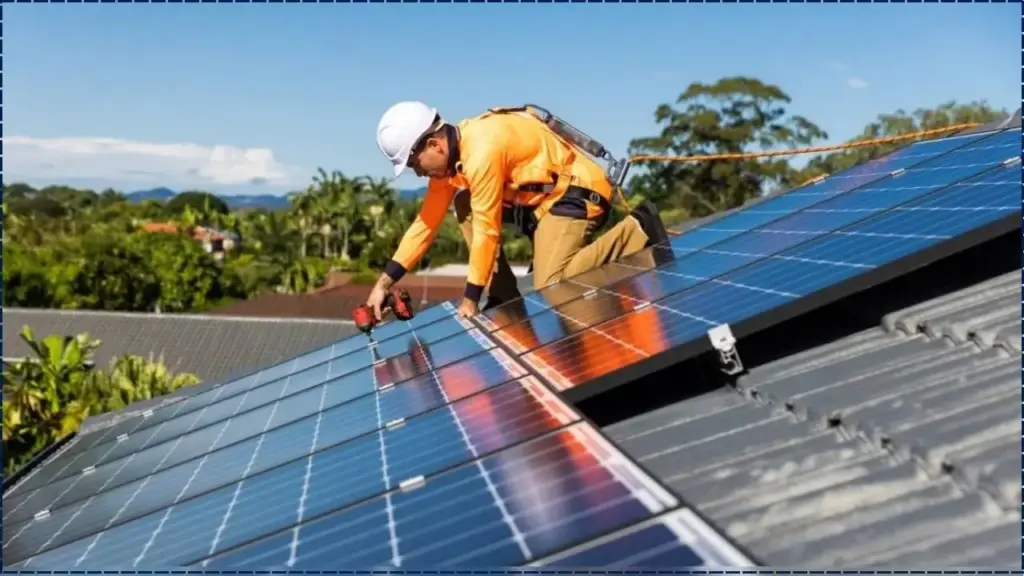
From hidden fees to subpar equipment, it’s essential to understand how to select a trustworthy installer to protect your investment.
The Solar Boom in Australia: Opportunities and Risks
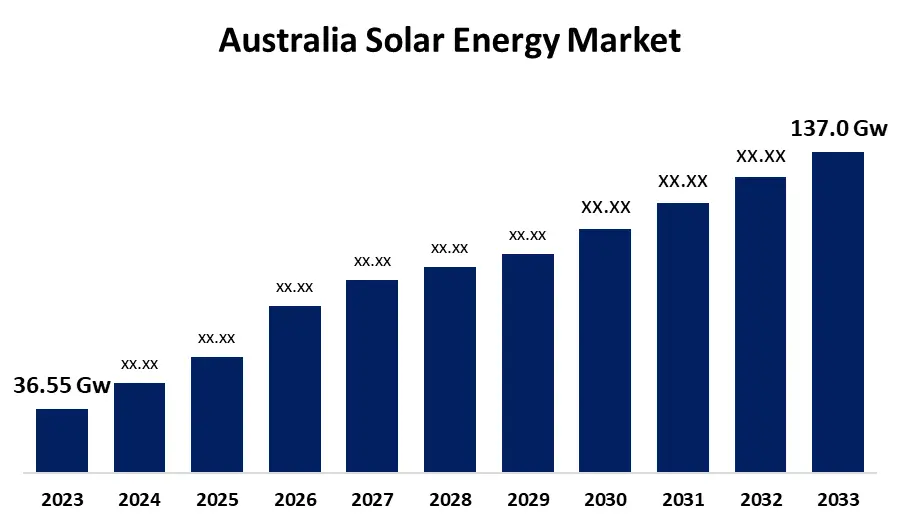
Australia’s solar energy uptake has grown exponentially, with over 4.3 million homes now powered by solar. Government incentives, such as rebates and tax credits, have made solar more affordable than ever before, driving adoption rates even higher.
According to the Clean Energy Council (CEC), Australia now ranks among the world’s top countries for solar installations, with solar panels installed in one in five homes. (cleanenergycouncil.org.au)
In parallel with this growth, however, there has been a rise in unscrupulous installers and substandard installations, leading to financial loss, poor system performance, and in some cases, safety hazards.
“Solar scams are becoming more prevalent in the market,” says Emma Richards, a senior consultant at Solar Analytics. “Many homeowners are unaware of the risks involved in choosing the wrong installer, and without proper knowledge, they are more susceptible to these scams.” (solarquotes.com.au)
For Australians looking to install solar systems in 2026, avoiding common mistakes when hiring an installer is crucial to ensuring a successful and reliable investment.
Mistake 1: Choosing Based on Price Alone
Why Price Shouldn’t Be the Only Factor
It’s tempting to go for the cheapest quote, especially with the upfront costs of solar systems still being significant. However, opting for the lowest bid can often lead to disaster. According to a SolarQuotes report, many low-cost installers cut corners by using substandard panels or offering poor workmanship. These systems are often plagued by issues like:
- Increased wear and tear on cheaper, lower-quality equipment
- Hidden installation fees that inflate the final cost
- Subpar warranties, which could leave you vulnerable to costly repairs after installation
“Quality should always be the priority,” says John Porter, a certified solar installer with over 15 years of experience. “Panels may look the same from a distance, but the materials and the technology inside them vary greatly. It’s not just about price; it’s about long-term efficiency and durability.”
What to Do Instead
Rather than focusing solely on price, Australians should focus on value. Reputable installers may charge a bit more upfront but offer:
- High-efficiency, long-lasting panels from trusted brands
- Comprehensive warranties for both equipment and installation
- Clear, transparent quotes with no hidden costs
Taking the time to get multiple quotes and comparing price vs. quality will help ensure you get the best deal.
Mistake 2: Not Verifying Credentials and Certifications
Why Accreditation Matters
Australia’s solar market is regulated by several bodies, including the Clean Energy Council (CEC), which accredits installers and products. However, with a surge in new installers entering the market, not all of them are properly accredited.
Some may lack the necessary training and certification to ensure quality work. This can result in unsafe installations, poor performance, or issues with warranties down the line.
“If an installer is not accredited, they’re not following the required safety and technical standards,” says David Lowry, a spokesperson for the Clean Energy Council. “Choosing an accredited installer is the only way to guarantee the system is installed correctly and safely.”
What to Do Instead
Before signing any contract, homeowners should always:
- Check the installer’s accreditation status with the Clean Energy Council (CEC).
- Ensure that the installer is qualified to work in your state or region
- Ask for references or look for online reviews to gauge the installer’s track record
Accreditation isn’t just a formal requirement; it’s an assurance that the job will be done to industry standards.
Mistake 3: Failing to Compare Systems and Brands
Not All Solar Panels Are Equal
The solar industry has evolved rapidly, and the variety of systems available can be overwhelming. However, many Australians fall into the trap of not researching or comparing brands before making a decision.
“Not all solar panels are created equal,” warns Liam Johnson, a solar expert with SolarQuotes. “There are huge differences in the efficiency, warranties, and performance of panels available on the market.”
Cheaper panels may offer lower initial costs but can perform poorly in terms of efficiency, energy output, and longevity. Panels from established brands such as LG, SunPower, and REC Solar tend to deliver higher efficiency and better warranty protection, meaning the system will provide better value in the long run.
What to Do Instead
Make sure to:
- Compare brands and ask installers for the specific panel and inverter models they propose
- Research product warranties—reputable brands offer 25-year performance warranties and up to 10 years for the product
- Check independent reviews and performance data for panels and inverters
Taking the time to evaluate product quality will give you peace of mind and a better return on investment.
Mistake 4: Not Understanding the Fine Print of Contracts and Warranties
What to Watch Out For
Many Australians sign contracts with solar installers without fully understanding the terms. The contract should clearly outline:
- Upfront costs and payment schedules
- Warranties for both equipment and installation
- Maintenance responsibilities and service call policies
Inadequate contract clarity can lead to misunderstandings, leaving homeowners responsible for additional costs.
For example, some contracts may have clauses that invalidate warranties if the system is tampered with or improperly maintained. Similarly, poor installation practices can lead to faulty systems that aren’t covered under warranty.
What to Do Instead
Be sure to:
- Carefully review contracts with a legal advisor if necessary
- Ask the installer to explain the warranty coverage and service terms clearly
- Get everything in writing, from expected energy output to the system’s lifetime performance
A transparent, well-structured contract ensures there are no surprises and guarantees that you will be covered should issues arise.
Mistake 5: Ignoring Future Expansion and Integration Needs
Planning for Future Needs
Solar systems can become obsolete or inefficient if not appropriately sized to meet future energy demands. As households move toward electrification, or add more solar batteries to store energy, future-proofing the system is essential.
Many homeowners fail to consider how the system might evolve. For example, adding energy storage (batteries) later on can be costly and complicated if the system wasn’t designed to accommodate it. Additionally, homes with electric vehicles (EVs) will need to account for charging infrastructure.
What to Do Instead
Ask your installer to:
- Consider future energy needs when designing the system
- Discuss options for energy storage and how the solar system can be expanded later
- Ensure that electric vehicle charging infrastructure is integrated if you plan to adopt an EV soon
Proper planning ensures your solar investment remains viable long into the future.
Related Links
Protecting Your Solar Investment in 2026
Choosing the right solar installer is crucial for both the performance and longevity of your solar system. By avoiding these five common mistakes — choosing based on price alone, not verifying credentials, failing to compare systems, overlooking the fine print, and neglecting future expansion — you can safeguard your solar investment and ensure a steady stream of savings for years to come.
In 2026, with solar energy adoption accelerating, Australians must be more vigilant than ever before. By educating yourself about the process and asking the right questions, you can ensure your solar system is both a cost-saving and environmentally responsible decision.
FAQs
Q: How can I check if a solar installer is accredited?
A: Visit the Clean Energy Council (CEC) website to verify an installer’s accreditation status. It’s essential to ensure they’re registered and follow industry standards.
Q: Is the cheapest solar system always the worst option?
A: Not necessarily, but low-cost systems often come with cheaper components and shorter warranties, which may lead to performance issues down the line. It’s better to focus on long-term value rather than just price.
Q: What is the typical lifespan of a solar panel?
A: High-quality solar panels can last 25-30 years, but it’s important to check the manufacturer’s warranty for specifics. Panels typically degrade by about 0.5% per year.