
India’s surging demand for cooling has accelerated interest in Hybrid Solar AC systems, promoted as a way to run air conditioners around the clock with little or no electricity bill. Installers and policymakers say rooftop solar, combined with hybrid inverters and battery storage, can significantly reduce grid dependence.
Energy experts, however, caution that claims of 24/7 “free cooling” depend on system size, storage capacity, financing, and state-level policies.
AC 24/7 Without Any Electricity Bill
| Key Fact | Detail / Statistic |
|---|---|
| AC demand growth | India sold over 10 million room AC units annually in recent years |
| Solar capacity | India crossed 70 GW of installed solar capacity by 2023 |
| Rooftop subsidy | PM Surya Ghar scheme offers subsidies up to ₹78,000 |
| Peak demand stress | India recorded peak electricity demand above 240 GW in 2023 |
The Rapid Growth of Cooling Demand
India is among the world’s fastest-growing air-conditioning markets. The International Energy Agency (IEA) reports that rising incomes, expanding urban populations, and longer heat waves are driving record cooling demand.
According to India’s Central Electricity Authority (CEA), peak electricity demand has climbed sharply in recent summers. Air conditioners account for a growing share of urban residential consumption.
Climate researchers say extreme heat events are becoming more frequent. The India Meteorological Department (IMD) has documented rising average temperatures and more prolonged heat waves across northern and central regions.
This convergence of climate stress and consumer demand has made energy-efficient cooling a national priority.
What Is a Hybrid Solar AC System?
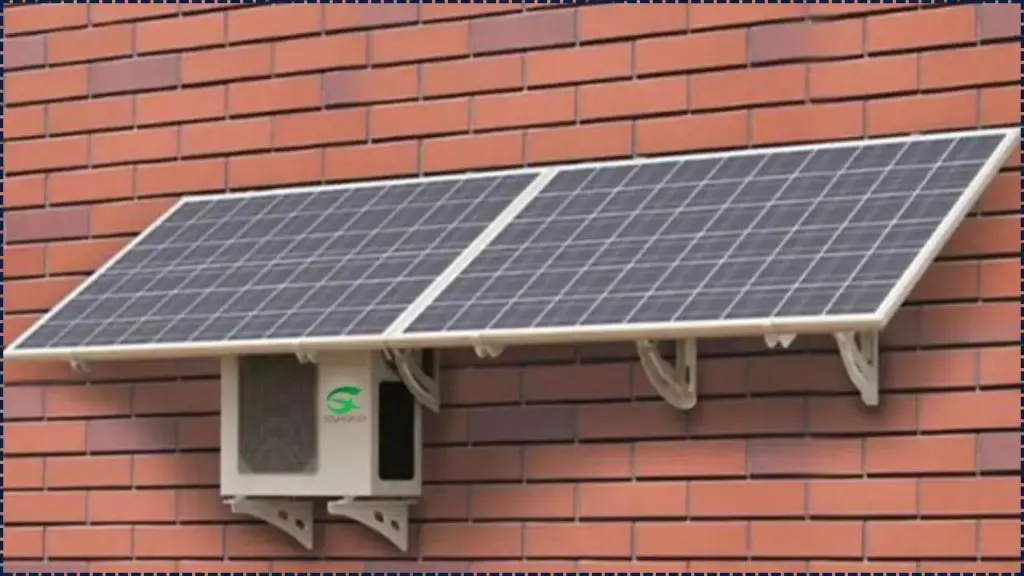
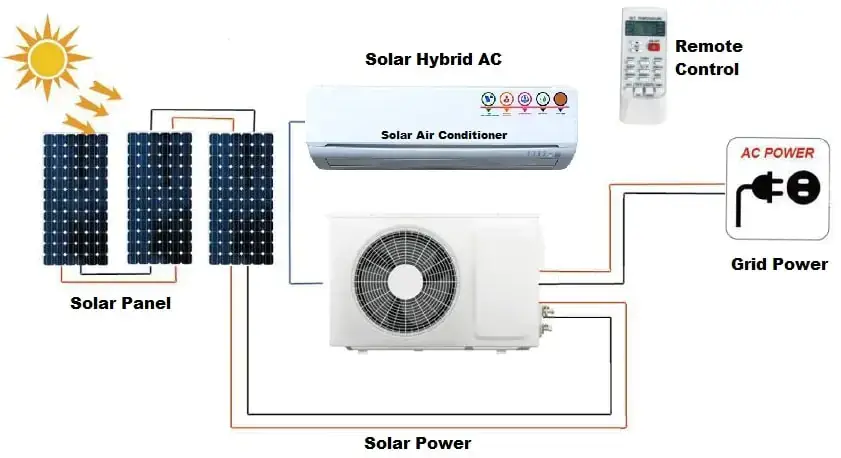
A Hybrid Solar AC setup is not a special type of air conditioner. It is a system that combines:
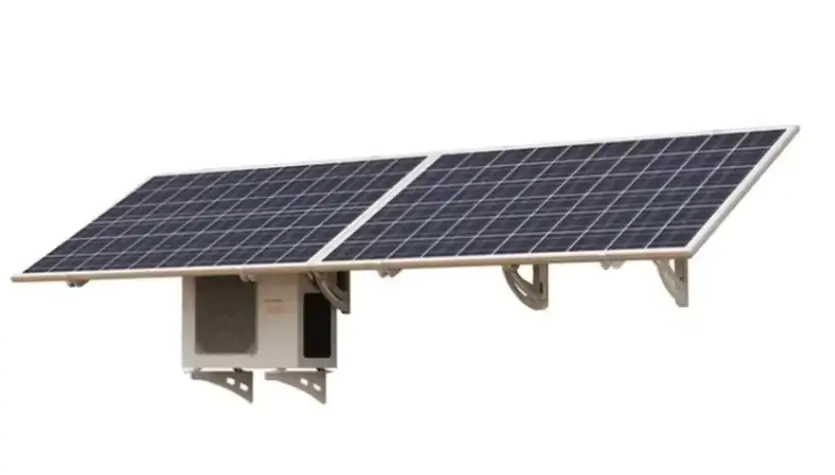
- Rooftop solar panels
- A hybrid inverter
- Optional battery storage
- Grid connectivity
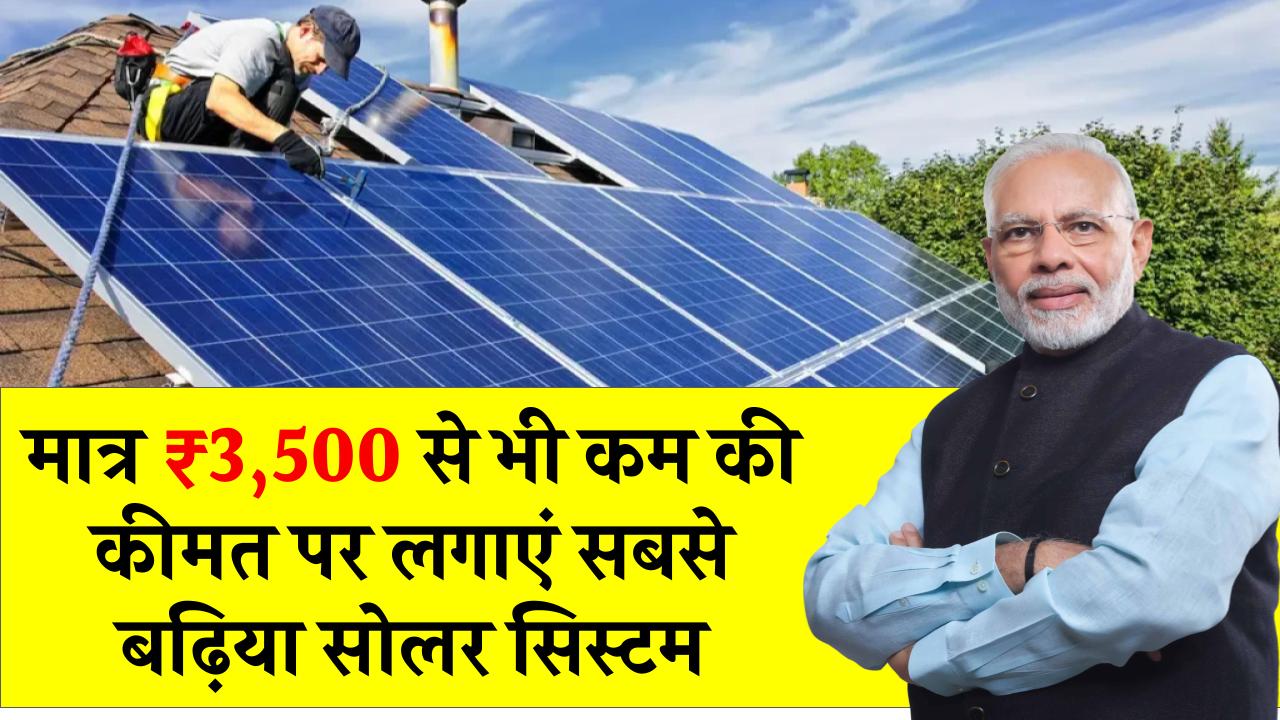
During daylight hours, solar panels power the AC unit directly. If solar production exceeds usage, excess energy charges batteries or feeds back into the grid under net metering rules.
“Hybrid systems allow households to prioritize solar power while maintaining grid backup,” said Dr. Ajay Mathur, Director General of the International Solar Alliance (ISA), during a recent renewable energy forum.
At night or during cloudy conditions, the system draws electricity from batteries or the grid.
Can Hybrid Solar AC Run 24/7 Without an Electricity Bill?
Marketing campaigns often claim uninterrupted cooling without power bills. Experts say such outcomes are technically possible but depend on scale and investment.
A typical 1.5-ton inverter air conditioner consumes between 1.5 and 2 kilowatts per hour. Running continuously can require roughly 30–40 kilowatt-hours daily.
To supply that demand entirely from solar, a home may need 6–8 kilowatts of rooftop panels, depending on sunlight conditions. It would also require large lithium-ion battery storage to cover nighttime use.
“Solar generation peaks during midday,” explained Prof. Rahul Tongia, a senior fellow at the Brookings Institution India Center. “If you want cooling at night without drawing grid electricity, you need substantial battery capacity, and that increases costs.”
Without batteries, households can offset daytime usage but still pay for evening and nighttime power.
Government Policy and Rooftop Solar Incentives
The Indian government has expanded distributed solar to manage rising demand. In early 2024, Prime Minister Narendra Modi launched the PM Surya Ghar: Muft Bijli Yojana, aimed at accelerating residential rooftop adoption.
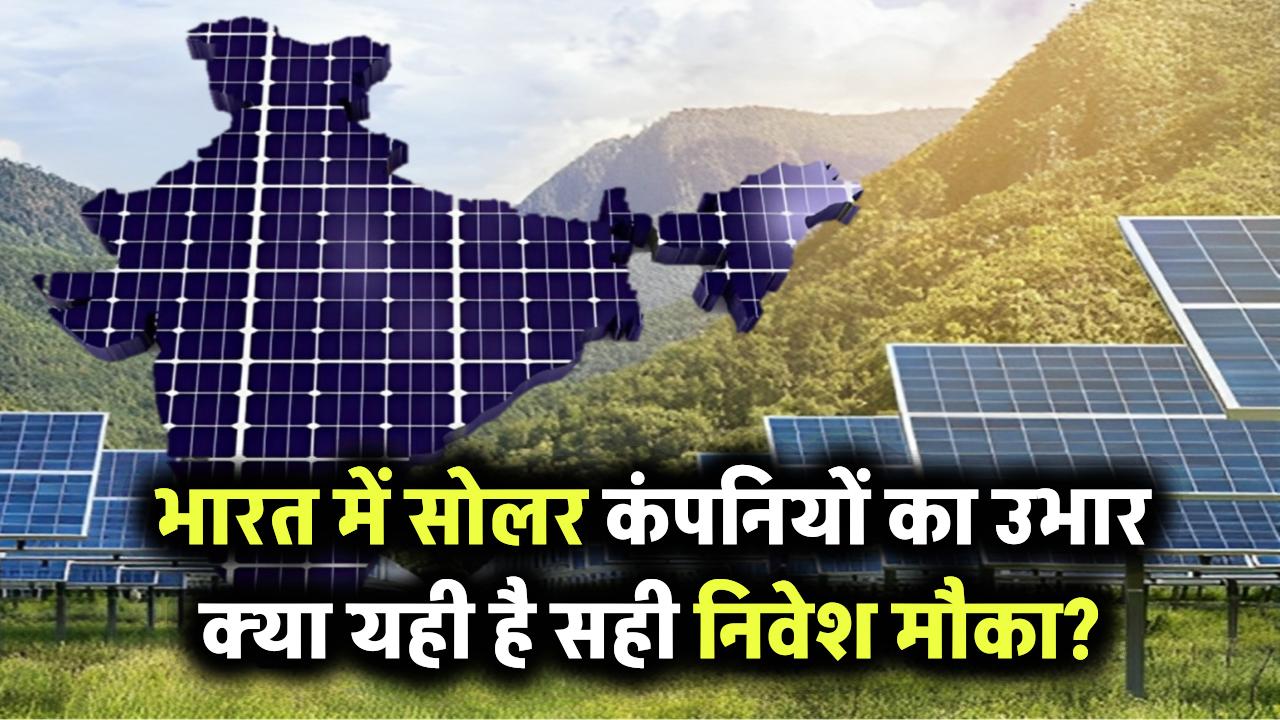
According to the Ministry of New and Renewable Energy (MNRE), eligible households can receive subsidies of up to ₹78,000 depending on system size. The program seeks to reduce reliance on coal-based electricity and empower households to generate their own power.
However, most subsidies focus on panels and inverters. Battery storage support remains limited.
Energy economist Dr. Vibha Dhawan, Director General of The Energy and Resources Institute (TERI), noted that while global battery prices are falling, upfront costs remain significant for Indian households.
Financial Realities: Costs and Payback Period
Industry estimates place the cost of a 6–8 kW rooftop solar system at several lakh rupees before subsidies. Adding battery storage can increase the total investment by 30–50 percent or more.
Installers argue that savings on monthly bills can offset costs within five to seven years in high-tariff regions. However, payback timelines vary widely based on sunlight exposure, system efficiency, maintenance costs, and state net-metering policies.
Financial institutions are beginning to offer green loans to encourage adoption. Some state governments also provide additional incentives. Still, consumer advocates advise careful financial assessment before committing to large installations.
Environmental and Energy Security Benefits
Despite financial constraints, experts highlight long-term environmental benefits. India remains heavily dependent on coal-fired power generation. Expanding rooftop solar reduces carbon emissions and improves energy security.
The IEA projects that India could add hundreds of millions of air conditioning units by 2050 if current trends continue. Pairing cooling growth with renewable energy could help avoid sharp increases in emissions.
“Electrification must go hand in hand with decarbonization,” Dr. Mathur said. “Otherwise, cooling demand could significantly raise emissions.”
Grid Stability and Technical Considerations
Rapid rooftop expansion presents engineering challenges. The Central Electricity Authority (CEA) has issued technical guidelines to ensure grid stability. Distributed generation must integrate safely to prevent voltage fluctuations or reverse power flows.
Hybrid inverters manage energy flow between panels, batteries, and the grid. Poor installation can reduce efficiency and damage equipment. Experts recommend certified installers and compliance with state electricity board standards.
Consumer Awareness and Energy Efficiency
The Bureau of Energy Efficiency (BEE) urges households to prioritize high star-rated inverter AC units. Efficient appliances reduce overall consumption, lowering required solar capacity. Energy experts also emphasize regular panel cleaning and battery maintenance to sustain output.
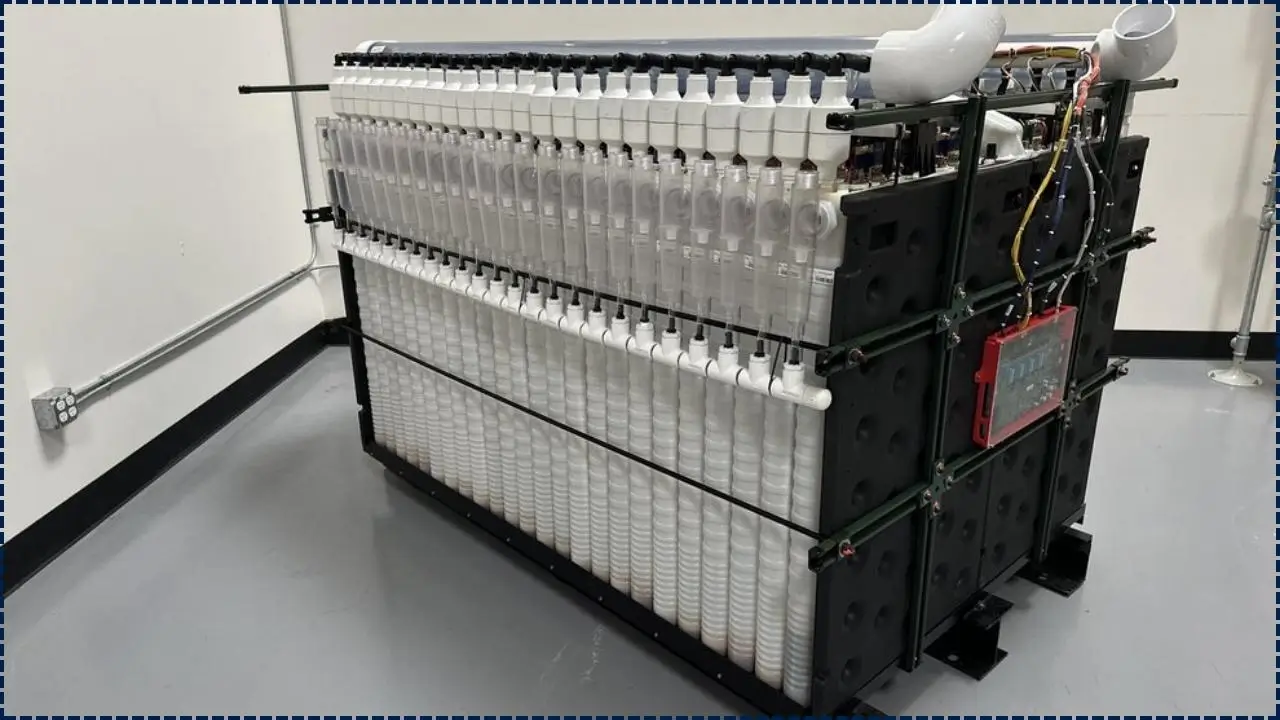
Consumer protection officials advise reviewing warranty terms carefully. Solar panels typically last 20–25 years, while batteries may need replacement within 8–12 years.
Related Links
No Roof? No Problem! This German ‘Plug-and-Play’ Balcony Solar Trend is Coming to Flats
The End of Silicon Panels? This New ‘Perovskite’ Tech Promises 50% Cheaper Solar Power!
Global Context: A Broader Solar Cooling Movement
India’s hybrid solar AC expansion aligns with broader global trends. Countries across the Middle East, Southeast Asia, and parts of Africa are exploring solar cooling solutions to manage heat and grid stress.
International development agencies have supported pilot projects combining efficient cooling with renewable generation. The ISA has promoted solar-based cooling as part of its global renewable energy initiatives.
Hybrid Solar AC systems are likely to expand as India balances rising cooling demand with climate goals. Policymakers view rooftop solar as a tool to ease grid pressure and cut emissions. Experts say the technology offers significant savings potential, but households must align expectations with technical and economic realities.
As Prof. Tongia observed, “Solar power can transform energy consumption, but it does not eliminate the need for careful planning and investment.”
FAQs
Is Hybrid Solar AC a special type of air conditioner?
No. It refers to a solar-powered system connected to a conventional AC unit.
Can it completely eliminate electricity bills?
Only with sufficient solar capacity and battery storage, which increases costs.
Are government subsidies available?
Yes. The PM Surya Ghar scheme provides rooftop solar subsidies, but battery incentives vary.
How long do batteries last?
Most lithium-ion batteries last 8–12 years, depending on usage and maintenance.