Bill Gates’ TerraPower, an innovator in advanced nuclear technology, has unveiled an ambitious roadmap for the future of micro-modular nuclear energy. With a focus on microreactors and small modular reactors (SMRs), TerraPower is preparing to deploy scalable, flexible nuclear power plants designed for local energy grids, cities, and remote industrial centers.
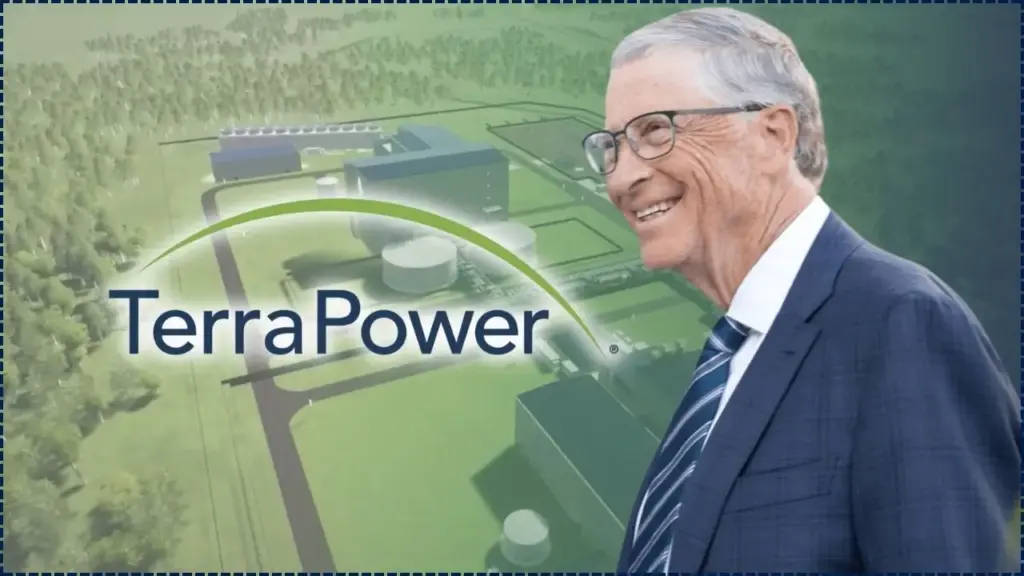
The company aims to revolutionize the way nuclear energy is delivered by 2026, potentially changing the global energy landscape. This vision aligns with efforts to meet increasing demand for clean, reliable energy while combating climate change and offering solutions to the energy crisis.
What Are Micro-Modular Reactors?
Micro-modular reactors (MMRs) and small modular reactors (SMRs) are next-generation nuclear power plants designed to be compact, scalable, and easier to deploy than traditional nuclear plants.
Unlike the massive reactors that can generate 1,000 MW or more, MMRs generate between 1-50 MW, while SMRs produce up to 300 MW. These systems are intended to be more affordable, with factory-built components, allowing for faster deployment and less costly construction compared to large-scale nuclear plants.
Microreactors can be especially useful for:
- Distributed power generation in remote areas
- Backup energy systems for critical infrastructure (hospitals, military bases)
- Supporting regional grids, reducing reliance on fossil fuels
Additionally, microreactors can be paired with renewable energy systems, such as solar and wind, to provide consistent baseload power, addressing one of the biggest challenges of renewable energy: intermittency.
TerraPower’s Natrium Reactor: A First Step Toward a New Era of Nuclear Energy
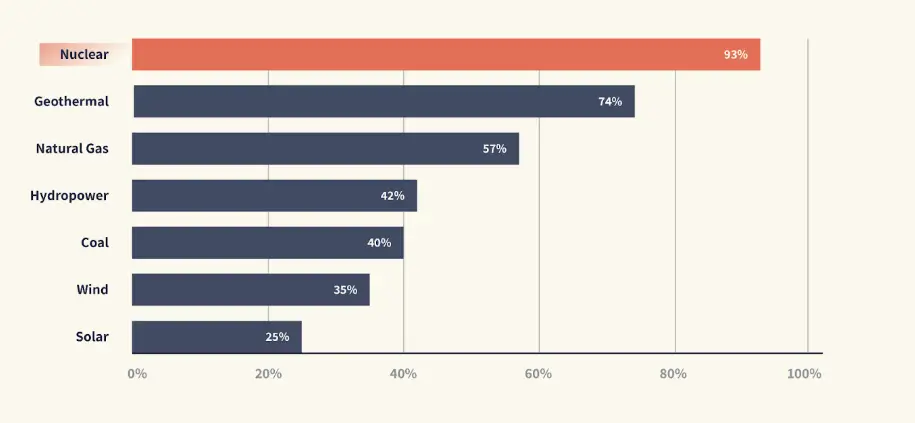
At the forefront of TerraPower’s nuclear innovation is the Natrium reactor, a 345 MW sodium-cooled fast reactor designed to complement renewable energy systems. Unlike conventional reactors that use water as a coolant, Natrium uses liquid sodium, which allows for higher operating temperatures, improving efficiency.
The Natrium Design
Natrium’s innovative design combines sodium-cooled fast reactor (SFR) technology with molten salt energy storage, which can provide energy during peak demand times or when renewable energy output is low. This system’s energy storage capability is a defining feature, as it ensures a constant supply of electricity, complementing the intermittent nature of solar and wind energy.
- Natrium’s capacity: Designed to produce 345 MW continuously, with the potential for 500 MW during peak periods.
- Key benefits: The combination of sodium cooling and molten salt energy storage makes it more efficient and faster to deploy than traditional nuclear plants.
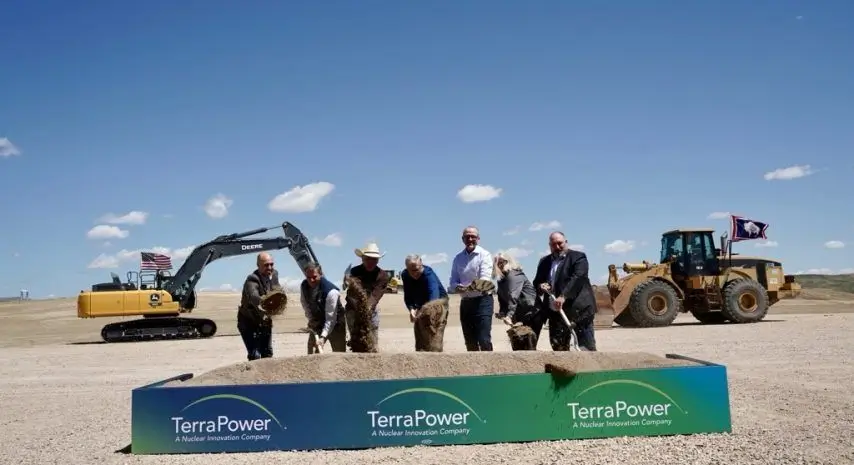
TerraPower plans to build its first Natrium reactor in Kemmerer, Wyoming, with groundbreaking expected in 2024. The project has received bipartisan support in the U.S., backed by both private investors and the U.S. Department of Energy. The first power production is expected by 2030, with plans for a global rollout following successful operation.
2026 Roadmap: TerraPower’s Vision for Micro-Modular Energy
TerraPower’s roadmap for 2026 is a clear indication of its ambition to redefine how nuclear energy is integrated into global energy grids. By 2030, the company plans to deploy several microreactors and SMRs that will power cities, military installations, data centers, and remote communities.

Microreactor and SMR Deployment Plans
While the Natrium reactor represents a larger design, TerraPower’s 2026 plans also focus on the development of smaller, more flexible reactors for diverse applications. Key goals outlined in TerraPower’s roadmap include:
- Construction of pilot plants: TerraPower plans to begin construction of several microreactor plants in 2026, with initial test facilities located in rural or remote regions.
- Collaboration with municipalities: TerraPower is in discussions with U.S. cities to introduce small-scale reactors as potential replacements for coal-fired power plants, providing cleaner, more reliable energy.
- International Expansion: TerraPower aims to expand its efforts globally, focusing on countries with large energy needs or those looking to transition to cleaner energy sources. The company is eyeing Asia, Europe, and Africa as potential sites for SMR deployments.
- Licensing and regulatory compliance: In line with these plans, TerraPower is working closely with the U.S. Nuclear Regulatory Commission (NRC) to ensure compliance with safety standards and expedite the licensing process for its new reactor designs.
The Promise of Microreactors for U.S. Cities
Solving Energy Supply Challenges in Cities
U.S. cities, already burdened by aging power grids, are increasingly turning to microreactors to meet energy demand while moving towards net-zero emissions goals. Unlike traditional nuclear reactors, microreactors can be placed closer to demand centers, reducing transmission losses and improving overall grid reliability. For example:
- New York City: Facing the challenge of meeting growing energy demands while reducing carbon emissions, New York is exploring microreactor feasibility to provide clean, consistent power for dense urban areas.
- Los Angeles: A city already leading in clean energy, Los Angeles is investigating small nuclear solutions as a way to complement solar energy while dealing with heat waves and power shortages.
The strategic advantage of local reactors also means faster recovery from blackouts or energy shortages that have historically plagued large cities during peak usage periods.
Support for Remote Communities
Microreactors can also address the energy needs of remote communities and industries in the U.S. that are currently reliant on fossil fuels or face limited access to the electric grid.
These areas, which include parts of Alaska, Hawaii, and the U.S. territories, would benefit from the flexible and portable nature of microreactors, which can be deployed without requiring extensive infrastructure.
- Energy reliability: Microreactors provide 24/7 power for critical infrastructure, including hospitals and military bases, which would help reduce dependence on unreliable, fossil-fuel-based energy sources.
Global Ambitions: TerraPower’s Role in a Decarbonized Future
While TerraPower’s Natrium reactor and microreactors are focused on the U.S. market, the company also has international ambitions. As nations across the globe look to decarbonize their energy grids, TerraPower sees a unique opportunity to become a key player in global nuclear energy.
Exporting Technology
By 2030, TerraPower hopes to expand its microreactor portfolio to international markets where countries are seeking to reduce carbon emissions and invest in secure, reliable, and flexible energy solutions.
- China and India: Both countries are increasingly interested in clean nuclear power as they strive to meet growing energy needs while reducing their environmental impact.
- Africa: Several African countries with energy infrastructure deficits have expressed interest in deploying small nuclear reactors to support industrialization and economic growth.
Challenges and Controversies
Despite the promise of microreactors, the technology still faces significant challenges and controversies. Some of the hurdles include:
- Cost and financing: While the cost of microreactors is projected to decrease over time, they still require high upfront investment, and the financial viability of smaller reactors will depend on market adoption and economies of scale.
- Public acceptance: Nuclear power has long been a contentious issue in the U.S., with concerns about safety, waste management, and environmental impact. TerraPower will need to engage in extensive public outreach to build trust and acceptance.
- Waste management: Even though microreactors are smaller and designed with enhanced safety features, nuclear waste remains a significant issue that must be addressed. While long-term storage solutions are being explored, the industry still faces challenges related to waste disposal and radioactive materials.
Related Links
Toyota’s 1200KM Miracle: Why US car buyers are waiting for the late 2026 Solid-State EV launch
Charge Your EV for Free! A Step-by-Step Guide to Setting Up the Ultimate Solar + EV Charger Combo
A New Nuclear Era?
TerraPower’s 2026 roadmap highlights a pivotal moment for nuclear energy. As advanced reactor designs approach regulatory approval and demonstration construction begins, modular nuclear technology is transitioning from concept to reality.
Whether these reactors will be built “in your city” — or remain centralized near key infrastructure — depends on licensing, investment, and community acceptance over the next decade.
That said, if current timelines hold, the coming years may redefine how nuclear power contributes to America’s energy mix — balancing reliability, carbon reduction, and economic opportunity in a rapidly changing landscape.