
With rising energy costs and a growing desire for sustainability, many homeowners are seeking ways to eliminate their electricity bills while reducing their environmental footprint. A Net-Zero home is one of the most effective ways to achieve this goal, as it generates as much energy as it consumes annually.
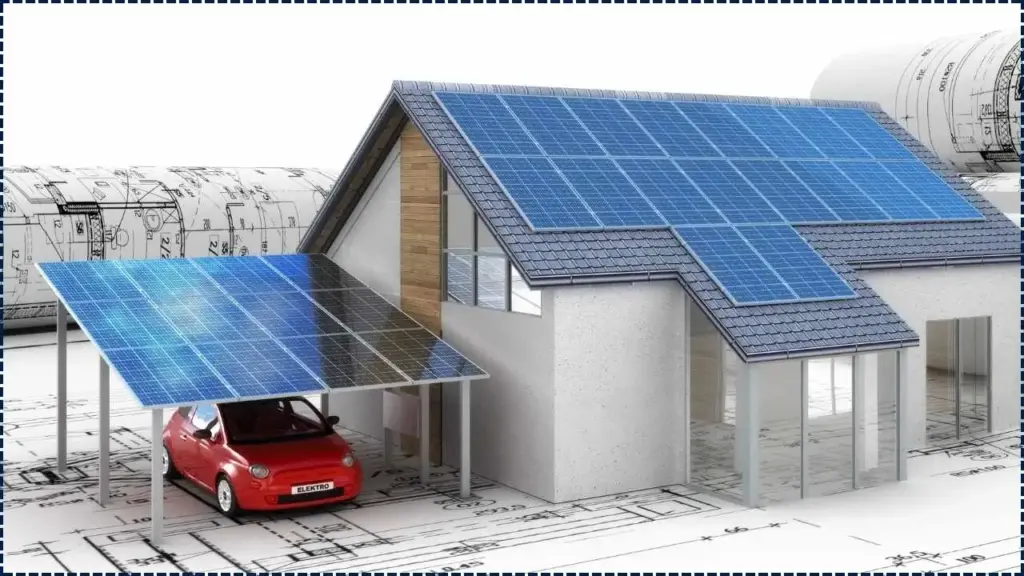
By incorporating solar panels, inverters, and batteries, homeowners can reduce their dependence on traditional energy sources and enjoy zero energy bills. This article provides a step-by-step guide to planning your own Net-Zero home, helping you understand the key components, financial incentives, and potential challenges.
What is a Net-Zero Home?
A Net-Zero home produces as much energy as it consumes over the course of a year. This balance is achieved primarily through renewable energy sources, like solar power, and efficient design that minimizes energy consumption.
The goal is to create a home that doesn’t rely on the grid for its energy needs, often making it a sustainable, eco-friendly living space. In this context, solar energy is usually the cornerstone, supplemented by batteries for energy storage and inverters to convert solar power into usable electricity.
Achieving this zero-energy status requires careful planning and investment in energy-efficient systems. This guide walks you through the essential steps to building or upgrading your home to achieve Net-Zero status.
Conduct an Energy Audit
Before installing any solar panels or making energy-efficient upgrades, it’s essential to understand your current energy usage. Conducting an energy audit will give you a baseline for determining how much energy your Net-Zero system needs to generate.
- Review Energy Bills: Begin by analyzing your electricity usage over the past year. This helps determine your household’s average consumption.
- Identify High-Energy Areas: Appliances like air conditioning, heating systems, and kitchen devices typically use the most energy.
- Hire a Professional Auditor: A certified energy auditor can conduct a thorough evaluation of your home and recommend areas for improvement, such as insulation upgrades, window seals, and appliance replacements.
Reduce Energy Demand
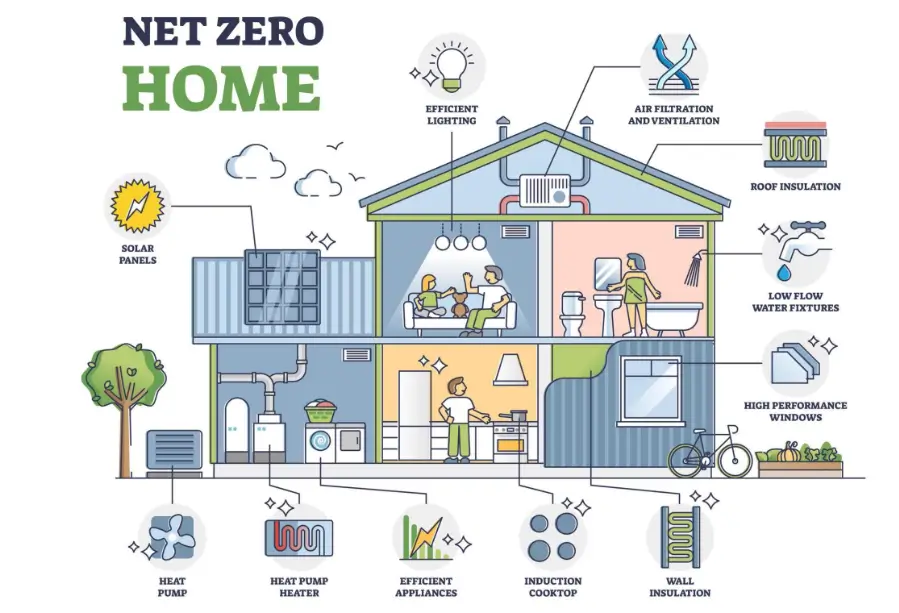
Reducing the amount of energy your home uses is the most effective way to minimize your solar system’s size and cost. The more energy-efficient your home is, the smaller the solar panels you’ll need to install.
- Upgrade Appliances: Switch to energy-efficient appliances, such as LED lights, Energy Star-rated refrigerators, and smart thermostats.
- Improve Insulation: Ensure that your home is well-insulated to maintain a consistent temperature. High-quality insulation reduces the need for heating and cooling.
- Seal Leaks: Check for leaks around windows, doors, and ducts. Sealing these gaps can drastically reduce your energy consumption.
- Natural Lighting: Incorporate passive solar design techniques like larger windows on the southern side of the house to maximize daylight.
This process helps lower your overall energy needs, making it easier to achieve Net-Zero status.
Design Your Solar System
Once you’ve reduced your energy demand, it’s time to plan your solar energy system. The solar system must be sized to meet your reduced energy consumption.
- Calculate Your Energy Needs: Based on your energy audit, determine how much electricity your home needs annually (measured in kilowatt-hours, or kWh).
- Choose the Right System Size: Residential solar systems typically range from 3 kW to 10 kW. Larger homes or those with higher energy needs may require more panels.
- Orientation and Tilt: Solar panels work best when they face south and are tilted at an angle that optimizes sun exposure based on your location.
- Grid-Tied or Off-Grid: A grid-tied system is the most common, where excess solar energy is sent back to the grid in exchange for credits. An off-grid system, on the other hand, requires larger battery storage and is less reliant on the grid.
Select the Right Solar Panels
Choosing the right solar panels is critical to achieving Net-Zero status. The efficiency and capacity of your panels directly affect the energy produced and stored.

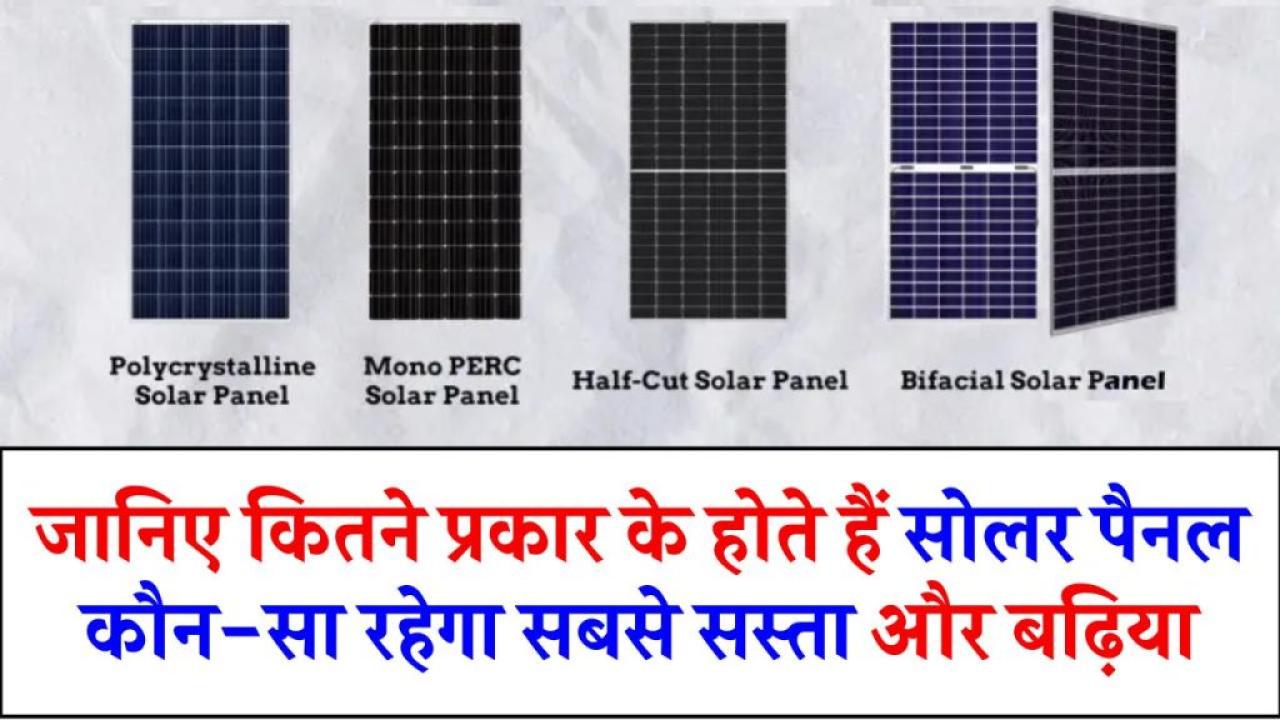
- Monocrystalline Panels: These panels are the most efficient, with conversion rates of up to 20% or higher. They’re ideal for limited roof space.
- Polycrystalline Panels: While less efficient than monocrystalline panels, these are more affordable and still effective for larger systems.
- Efficiency Rating: Pay attention to the panel’s efficiency rating, which reflects how much energy it can generate per square meter.
- Durability: Choose panels with a long lifespan and a strong warranty to ensure long-term performance.
Choose the Right Inverter
The inverter converts the direct current (DC) electricity generated by the solar panels into alternating current (AC) electricity, which is used by your home.
- String Inverters: These are the most common and are typically used when all panels are installed in the same location.
- Microinverters: These are attached to each panel and are ideal for roofs that are shaded or have different orientations.
- Power Optimizers: These devices are similar to microinverters but are less expensive, allowing you to monitor the performance of each panel individually.
Your choice of inverter will depend on your system size, budget, and the specific design of your roof.
Battery Storage
Battery storage allows you to store excess energy generated by your solar system for later use. This is particularly useful during the night or on cloudy days when solar energy production is low.
- Battery Types: Lithium-ion batteries are the most popular for residential solar systems due to their high energy density, long lifespan, and compact size.
- Sizing Your Battery: The size of your battery system will depend on your energy consumption patterns and how much backup power you need. A standard home might need anywhere between 10 to 20 kWh of battery storage.
- Integration with Solar: A hybrid system integrates both battery storage and grid connection, allowing you to maximize solar energy usage while still having access to the grid during periods of high demand.
Installation and Integration
The installation of your solar system, inverter, and batteries should be done by a certified professional installer. They will ensure that everything is set up correctly and safely, adhering to local regulations.
Key steps:
- Panel Installation: Mount the panels on your roof or property in a way that maximizes exposure to sunlight.
- Inverter Setup: Connect the inverter to the panels and the home’s electrical system.
- Battery Installation: Batteries are installed and connected to the inverter to store excess energy.
- Grid Connection: If your system is grid-tied, ensure that it’s connected to the utility grid for net metering.
Monitor and Maintain Your System
Once your system is up and running, you’ll want to monitor its performance and ensure it’s functioning at its best:
- Monitoring Software: Many systems come with apps or software that allow homeowners to track energy production and consumption in real-time.
- Maintenance: Regular maintenance, such as cleaning your solar panels and checking battery performance, will help maximize the system’s lifespan.
- Professional Inspections: It’s also a good idea to schedule periodic professional inspections to ensure the system remains in optimal condition.
Financial Considerations and Incentives
Building a Net-Zero home involves upfront costs, but there are significant long-term savings and financial incentives that can help offset this.
- Government Incentives: Many countries offer tax credits, rebates, or grants for residential solar installations. In the U.S., for example, the Investment Tax Credit (ITC) offers a significant tax break for solar installations.
- Financing Options: Solar systems can be financed through loans, leases, or Power Purchase Agreements (PPAs), which allow homeowners to spread the cost over time.
- Long-Term Savings: On average, homeowners can expect to recoup their investment within 5 to 10 years, depending on system size, energy prices, and available incentives.
Related Links
Charge Your EV for Free! A Step-by-Step Guide to Setting Up the Ultimate Solar + EV Charger Combo
Run Your AC 24/7 Without Any Electricity Bill! Meet the New Hybrid Solar ACs Taking Over India
A Net-Zero home offers both environmental and financial benefits, allowing homeowners to reduce their carbon footprint while eliminating energy bills. With the right combination of solar panels, inverters, and battery storage, you can create a self-sustaining living space that meets your energy needs year-round.
While the initial investment may be significant, the long-term savings and positive environmental impact make it a worthwhile pursuit.
As solar technology continues to improve, and with increased government support for clean energy, Net-Zero homes are becoming a more attainable goal for homeowners looking to reduce their reliance on the grid and secure a more sustainable future.