
Homeowners across the United States are increasingly asking whether their properties can become Net-Zero Powerhouse residences — homes that generate as much or more energy than they consume annually.
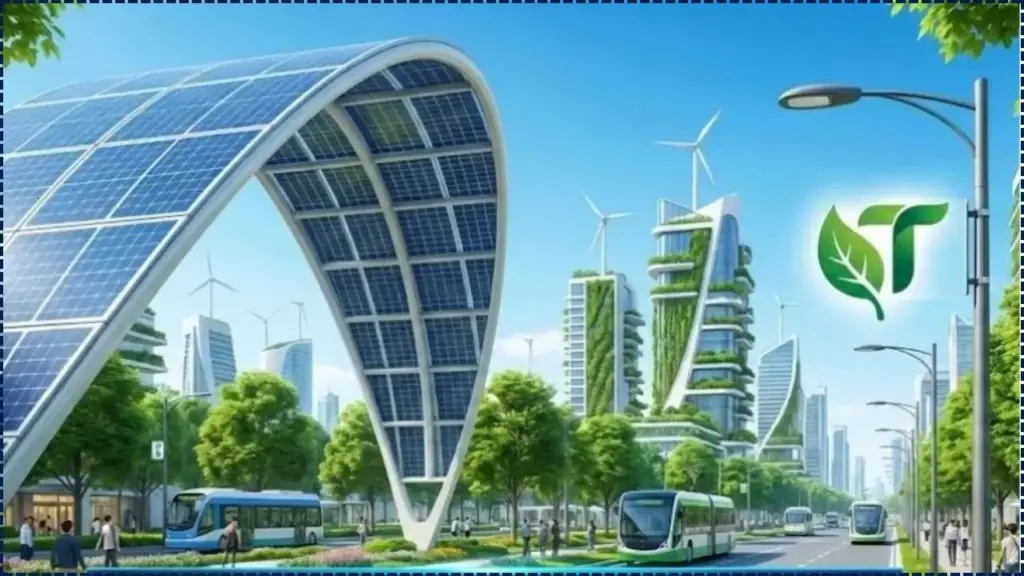
Rising electricity prices, federal tax incentives, climate targets, and advances in clean technology have pushed net-zero housing from a niche concept into mainstream policy and real estate markets.
Net-Zero Powerhouse
| Key Fact | Detail |
|---|---|
| Electricity prices rising | U.S. residential electricity prices rose roughly 25% between 2019–2023 |
| Federal tax credit | 30% federal tax credit for residential solar and storage through 2032 |
| Solar home premium | Solar-equipped homes sold for ~4% more in several markets |
| Buildings & emissions | Buildings account for ~30% of global energy use |
What Is a Net-Zero Powerhouse Home?
A Net-Zero Powerhouse home, often called a net-zero or energy-positive house, produces at least as much energy as it consumes over a year. Some homes generate more electricity than they use and export surplus power to the grid.
The U.S. Department of Energy (DOE) defines a zero-energy building as one that offsets its annual energy use through renewable generation. The approach integrates construction design, high-efficiency systems, and on-site power production.
Unlike standard energy efficiency upgrades, Net-Zero Powerhouse construction addresses the entire building system — insulation, ventilation, appliances, and renewable generation working together.
“The cheapest energy is the energy you do not use,” said Dr. Emily Grubert, a civil engineer and energy systems scholar at the University of Notre Dame, in prior public commentary. Experts broadly agree that demand reduction is the foundation of net-zero housing.
Why Now? The Economic and Policy Drivers
Electricity costs have risen steadily in recent years. According to the U.S. Energy Information Administration (EIA), average residential electricity prices increased about 25% from 2019 to 2023.
At the same time, rooftop solar costs have fallen significantly over the past decade, despite temporary supply chain fluctuations. Federal policy has reinforced that shift.
The Inflation Reduction Act of 2022, signed by President Joe Biden, expanded the federal residential clean energy credit to 30% for solar panels, battery storage, geothermal systems, and other qualifying technologies through 2032, according to the U.S. Department of the Treasury.
“This is the most significant climate investment in U.S. history,” Treasury officials said following the law’s passage.
State policies further shape the economics. Net metering rules — which determine how homeowners are compensated for excess power — vary widely across states.
The Engineering Behind a Net-Zero Powerhouse
Deep Efficiency (KW2)
Net-Zero Powerhouse homes reduce demand before generating supply.
Key measures include:
- High-performance insulation and airtight construction
- Advanced window systems such as triple-pane glazing
- Heat pump technology for space heating and cooling
- Energy recovery ventilation systems
The Rocky Mountain Institute (RMI) reports that modern heat pumps can reduce heating energy consumption by up to 50% compared with older electric systems. According to the DOE, uncontrolled air leakage can account for up to 40% of heating and cooling losses in conventional homes.
Renewable Generation (KW3)
Most Net-Zero Powerhouse homes rely on rooftop solar panels.
The National Renewable Energy Laboratory (NREL) estimates that a typical American home may need a 6- to 8-kilowatt solar system to offset annual electricity consumption, depending on climate and efficiency levels.
In sunnier states such as Arizona and Texas, fewer panels may be required. In northern climates, higher efficiency standards help compensate for reduced solar exposure.
Storage and Smart Management (KW4)
Battery storage systems allow homeowners to store excess solar production for evening use or grid outages.T he International Energy Agency (IEA) states that digital energy management tools can reduce household energy use by 10% to 20% through automated controls and demand shifting.

Smart thermostats, EV chargers, and energy monitoring software increasingly integrate into home energy ecosystems.
Financial Considerations: Costs, Returns, and Risk
The financial case for Net-Zero Powerhouse housing depends on location and policy. According to the Solar Energy Industries Association (SEIA), average residential solar installations typically cost between $15,000 and $25,000 before incentives.
Battery storage may add $8,000 to $15,000. The federal tax credit reduces those figures by 30%. Additional state rebates can lower costs further.
Research from Lawrence Berkeley National Laboratory found that homes with solar systems often sold for about 4% more in several U.S. housing markets.
Payback periods vary. In states with strong net metering, homeowners may recoup costs in six to ten years. In areas with reduced export compensation, the timeline may extend to twelve years or longer.
“There is substantial geographic variation,” said Dr. Varun Sivaram, senior fellow at the Council on Foreign Relations, in prior public analysis. “Policy design strongly influences consumer returns.”
Insurance, Appraisals, and Market Barriers
As adoption grows, insurers and lenders are adapting. Some insurance providers now offer endorsements covering rooftop solar systems. Appraisal standards have also evolved to account for renewable installations.
However, lower-income households face structural barriers. Upfront capital requirements remain high, and renters have limited control over building upgrades.
Community solar projects attempt to address this gap by allowing households to subscribe to shared solar facilities without installing rooftop systems.
The National Renewable Energy Laboratory has noted that community solar can expand access to households without suitable rooftops.
Grid Stability and Utility Concerns
Utilities have expressed concerns about cost allocation. The National Association of Regulatory Utility Commissioners (NARUC) has warned that poorly structured net metering policies could shift grid maintenance costs onto non-solar customers.
Environmental groups argue that distributed generation reduces transmission losses and enhances resilience.
Grid modernization investments — including smart meters and advanced distribution systems — aim to balance these competing concerns.
Climate and Global Context
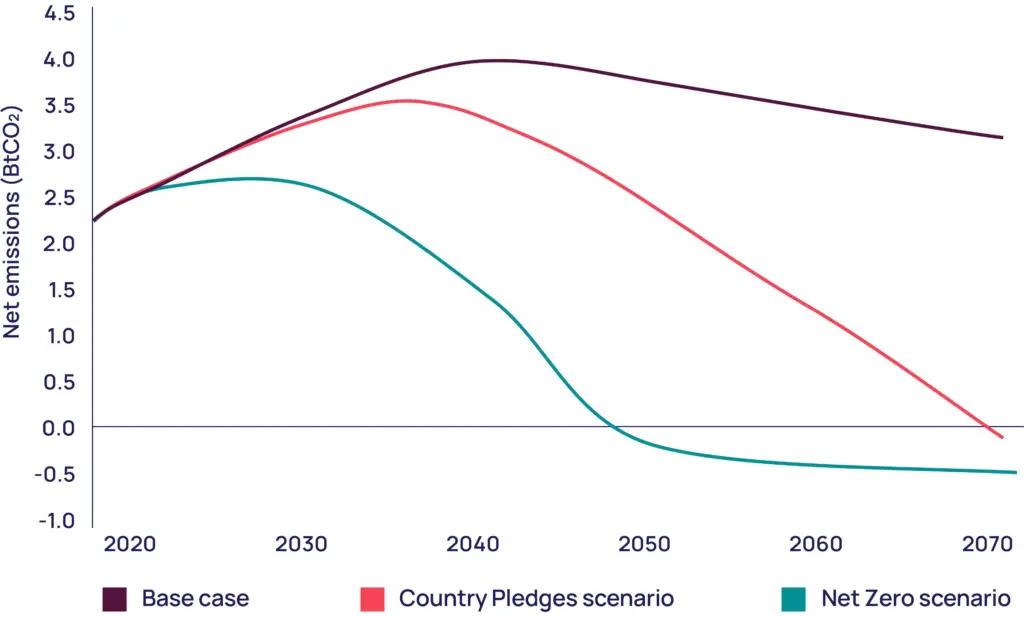
Buildings account for roughly 30% of global energy consumption, according to the United Nations Environment Programme (UNEP). In the United States, the Environmental Protection Agency (EPA) reports that residential and commercial buildings together contribute about 13% of direct greenhouse gas emissions.
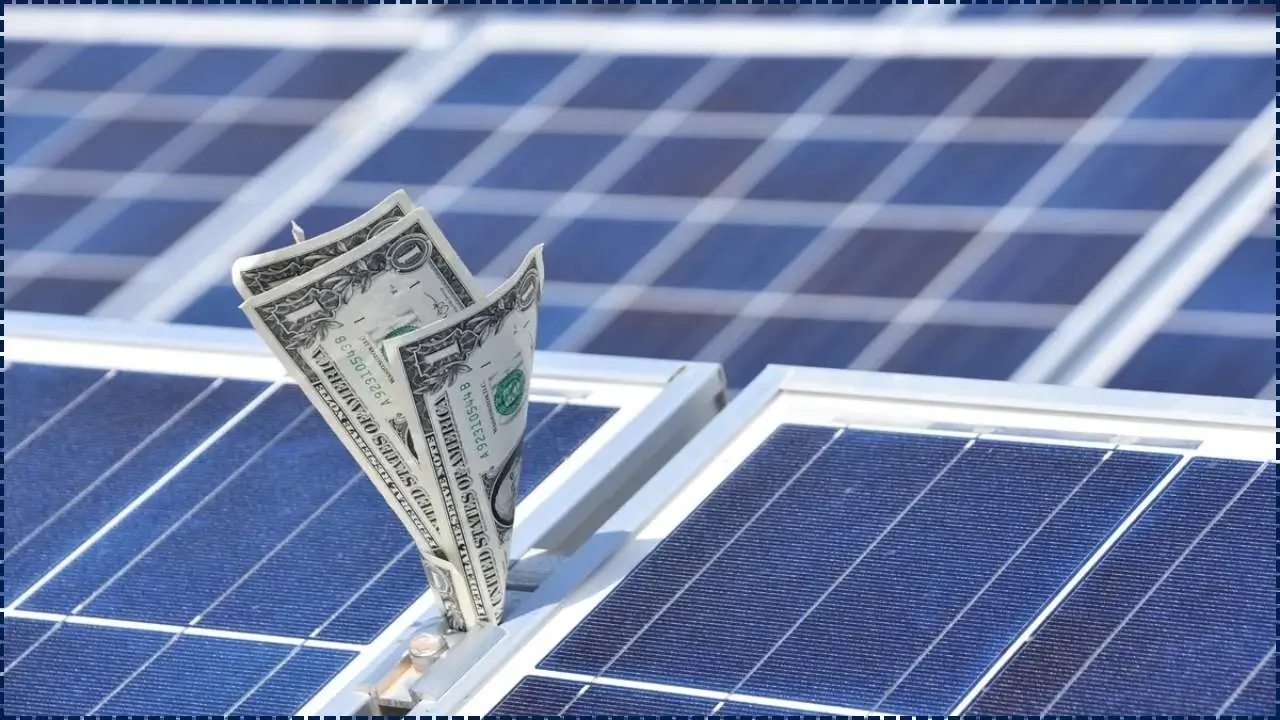
Beyond Generation: 5 creative ways to make money from Solar Energy without just selling electricity
California now requires most new homes to include solar panels under updated building codes. The European Union has adopted similar zero-emission building targets for new construction by 2030. Globally, the IEA projects that solar generation capacity will more than double by 2028.

Retrofitting Existing Homes
New construction can integrate Net-Zero Powerhouse principles from design. Existing homes require staged retrofits.
Energy experts typically recommend:
- Conducting a professional energy audit
- Sealing air leaks and improving insulation
- Upgrading HVAC systems
- Installing renewable generation
According to DOE estimates, efficiency retrofits alone can reduce household energy use by 20% to 40%. Historic or shaded properties may face limitations. Roof orientation and electrical panel capacity can affect solar viability.
Related Links
Analysts expect distributed energy growth to continue, supported by policy incentives and technological advances. However, questions remain about equitable access, grid integration, and long-term incentive stability.
“Net-zero homes are technically achievable today,” Grubert has said in prior public discussions. “Scaling them equitably is the larger challenge.”
As electricity prices evolve and climate goals tighten, Net-Zero Powerhouse housing is likely to remain central to energy and housing policy debates.
FAQs
What is the difference between net-zero and energy positive?
Net-zero homes produce as much energy as they use annually. Energy-positive homes produce more than they consume and export surplus electricity.
How long does it take to break even?
Depending on location and incentives, most homeowners recover costs in six to fifteen years.
Can apartments become energy positive?
Multifamily buildings can achieve net-zero through shared systems or community solar, though rooftop space is often limited.