
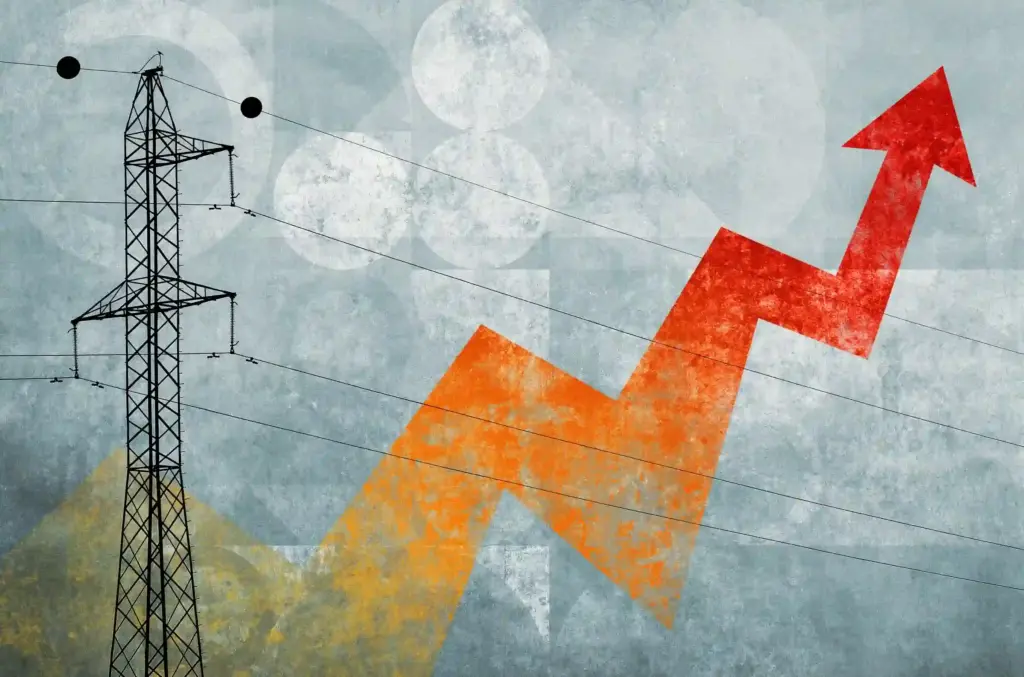
India’s electricity demand is projected to triple by 2035, leading to significant price hikes unless renewable energy adoption accelerates.
As grid tariffs rise, solar energy could save households and businesses lakhs of rupees over the long term, providing an effective financial hedge against rising power costs.
Why Electricity Costs Could Double by 2035
India’s electricity consumption has been rising steadily over the past decade. According to the Central Electricity Authority (CEA), national demand reached approximately 1,500 terawatt-hours (TWh) annually in 2023, with projections indicating a surge to around 4,000 TWh by 2035.
This growth is driven by industrialization, electrification of transport, increased use of digital devices, and rising household energy consumption. As the demand triples, India’s aging energy infrastructure will be tested. To meet these needs, significant investments in generation, transmission, and storage systems will be required.
According to a report by BloombergNEF, India will need nearly ₹20 lakh crore of investments to build the required power infrastructure by 2030. This infrastructure expansion will likely result in higher electricity prices, further exacerbating affordability issues for consumers.
Moreover, the International Energy Agency (IEA) notes that the cost of electricity generation from conventional sources, such as coal and gas, will likely rise due to fuel price volatility and the cost of maintaining and upgrading aging plants. If these trends continue, consumers could face electricity bills that double by 2035.
The Key Factors Driving Rising Electricity Costs
1. Rapid Growth in Electricity Demand
India’s growing middle class and expanding economy are driving higher demand for electricity. By 2035, household electricity use is expected to increase substantially due to higher appliance adoption (air conditioners, electric vehicles, etc.). Industrial and commercial consumption is also set to rise as the country modernizes.
According to the Ministry of Power, electricity demand per capita will rise sharply, and peak demand will become even more challenging to meet. The increasing demand for cooling during hot summers will further strain the grid, especially in densely populated urban areas. (Ministry of Power Report)
2. Insufficient Grid Infrastructure
While demand is increasing, India’s electricity grid is still insufficiently equipped to handle these demands. The country will need substantial investments in transmission lines, substations, and smart grid technology to meet the rising demand efficiently.
Failure to upgrade grid infrastructure could lead to more frequent power shortages and higher costs for consumers.
The Central Electricity Regulatory Commission (CERC) has already warned of the need for aggressive infrastructure expansion, but this comes at a cost, which is ultimately passed on to consumers in the form of higher tariffs.
3. Fuel Price Volatility
India remains highly dependent on coal and natural gas for its electricity generation. Both of these fossil fuels are subject to global price volatility, which can increase generation costs. If global energy prices spike, India’s electricity prices will be directly impacted.
Recent geopolitical events have demonstrated the fragility of global fuel markets. The rising global demand for energy and supply chain disruptions can push energy prices higher, making it even more difficult to keep electricity costs affordable for consumers.
4. Environmental and Regulatory Compliance Costs
The Indian government is also increasing its focus on environmental regulations. Power plants may face stricter emissions norms, requiring additional investment to meet regulatory standards. This, combined with international commitments to reducing carbon emissions, could drive up the cost of conventional electricity generation.
The push for cleaner energy and carbon pricing may further increase generation costs. Power companies will likely pass these costs on to consumers to meet compliance standards and continue operations.
How Solar Can Save You Lakhs: The Financial Benefits
Lowering Electricity Bills
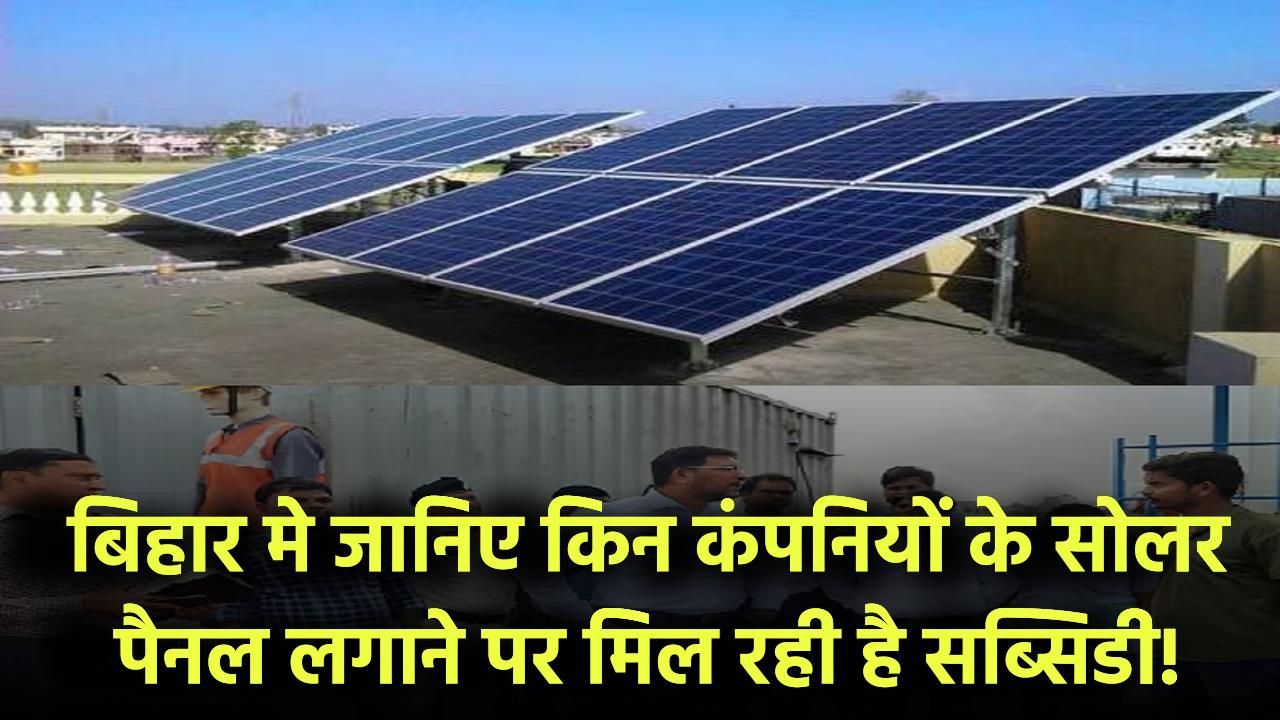
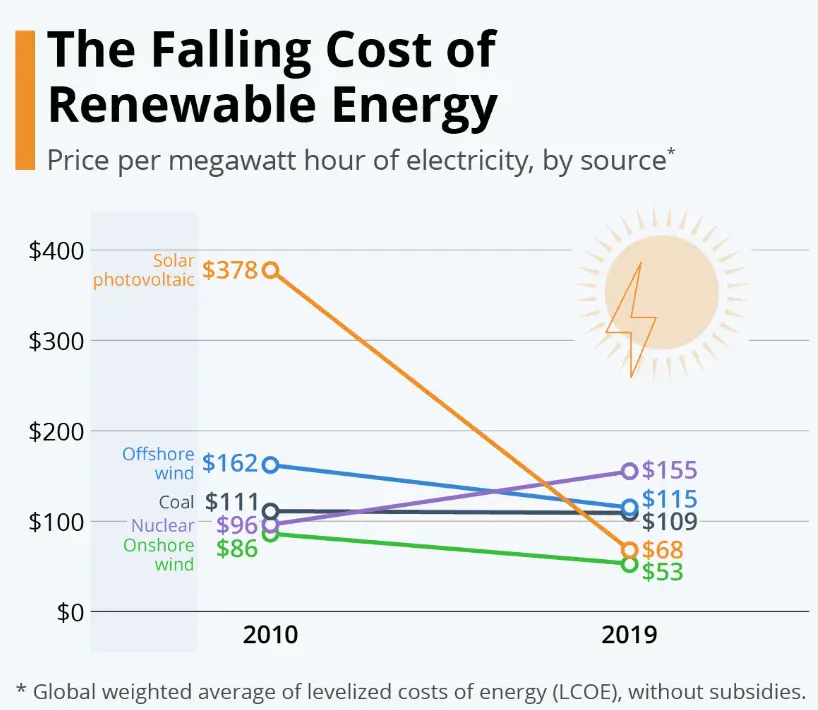
Rooftop solar power has rapidly become one of the most cost-effective solutions for reducing electricity bills. The cost of solar installations has declined significantly in recent years, with the levelized cost of electricity (LCOE) for solar now competitive with conventional sources.
A 5kW rooftop solar system can generate approximately 6,000–7,000 kWh of electricity annually, depending on location. With average grid electricity prices ranging between ₹7–₹9 per unit, this translates to savings of ₹40,000–₹60,000 annually for a typical household.
Over a 20-year period, the cumulative savings could range from ₹10 lakh to ₹15 lakh, even after accounting for installation costs and maintenance. These savings will increase as grid tariffs rise due to the factors discussed earlier.
Return on Investment (ROI) for Solar Systems
For Indian consumers, solar energy offers a return on investment (ROI) that is hard to beat. Depending on system size, location, and available sunlight, households can recover the full cost of their solar system in 5–6 years through savings on their electricity bills.
After this, the system continues to generate free electricity for many years, adding to the financial benefit. Government incentives, such as the PM KUSUM scheme, also provide subsidies for rooftop installations, further reducing the upfront cost for consumers and improving ROI.
Impact on Businesses and SMEs
Businesses and small and medium enterprises (SMEs) are particularly vulnerable to electricity price hikes, as they typically face higher tariffs than residential consumers. By installing solar systems, SMEs can significantly reduce operating costs, improving their bottom line. A 6 kW solar system could save an SME around ₹1.5 lakh annually on electricity bills.
For companies with high energy consumption, such as manufacturing units, the savings could be even larger, potentially running into lakhs every year.
The Role of Government Policies and Net Metering
India’s government has been a strong advocate for increasing the adoption of solar energy. Policies such as the Production-Linked Incentive (PLI) scheme and Net Metering have made solar more accessible for consumers.
Net metering allows consumers to generate excess solar power and sell it back to the grid, reducing their overall electricity bills. Many states have also introduced solar subsidy programs to lower the upfront cost of installations.
These policies are key drivers in accelerating solar adoption, especially in urban areas where grid electricity costs are rising. However, the effectiveness of these policies varies from state to state, with some regions offering better incentives and easier access to financing options than others.
Challenges in Solar Adoption
Despite its advantages, solar adoption in India faces several challenges:
- Upfront Capital Costs: Although the cost of solar has decreased, the initial investment can still be high for many households, particularly in rural areas.
- Space Constraints: Urban areas may lack sufficient rooftop space for solar installations, making it difficult for some consumers to benefit from the technology.
- Intermittency of Solar Power: Solar energy generation depends on sunlight, and its availability fluctuates throughout the day and year. This intermittency can affect reliability without sufficient battery storage solutions.
- Financing Access: While financing options are improving, some consumers still find it difficult to secure loans for solar systems.
Addressing these challenges through improved financing mechanisms, incentives, and technical solutions such as battery storage will be critical to boosting solar adoption.
Related Links
FIIs Buying Spree! Top 5 green energy stocks that global investors are betting on in February 2026
The forecasted rise in electricity prices poses a significant threat to households and businesses, with costs expected to potentially double by 2035. However, solar energy offers a compelling solution. By investing in rooftop solar systems, consumers can mitigate the impact of rising grid tariffs, potentially saving lakhs of rupees over the long term.
The Indian government’s push to increase renewable energy capacity, combined with falling solar costs and supportive policies, makes solar power a wise choice for anyone looking to reduce energy costs in the face of rising electricity bills.
For those who can make the upfront investment, solar provides a long-term financial hedge, offering both savings and sustainability.