India’s ambitions to become a global leader in green hydrogen are rapidly taking shape. With significant investments from Reliance Industries, Adani Enterprises, and ACME Group, India is positioning itself as a major exporter of green hydrogen and its derivatives.
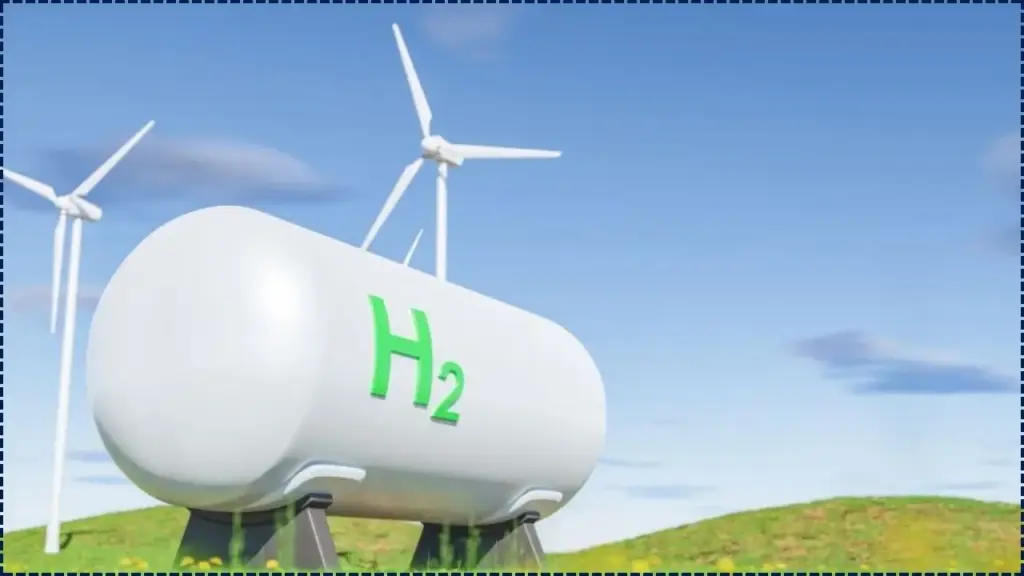
The growing green hydrogen industry promises to not only reduce the country’s carbon footprint but also reshape its energy export markets by 2035.
India’s Green Hydrogen Vision: A Game Changer for Energy Exports
The National Green Hydrogen Mission (NGHM) launched by the Indian government in 2023 aims to produce 5 million metric tonnes of green hydrogen annually by 2030. This strategic initiative positions India to become a global leader in clean hydrogen production and export, tapping into a growing demand from regions such as Europe, Japan, and South Korea, where hydrogen is central to decarbonisation efforts.
Green hydrogen is produced using renewable energy to split water molecules into hydrogen and oxygen through electrolysis. This process produces hydrogen with little to no carbon emissions, unlike conventional “grey” hydrogen derived from fossil fuels.
The Indian government is betting on its vast solar and wind resources to provide low-cost renewable electricity for green hydrogen production. By 2030, India aims to meet 25% of the global green hydrogen demand, positioning the country as a leading exporter of hydrogen and hydrogen derivatives like green ammonia and green methanol.
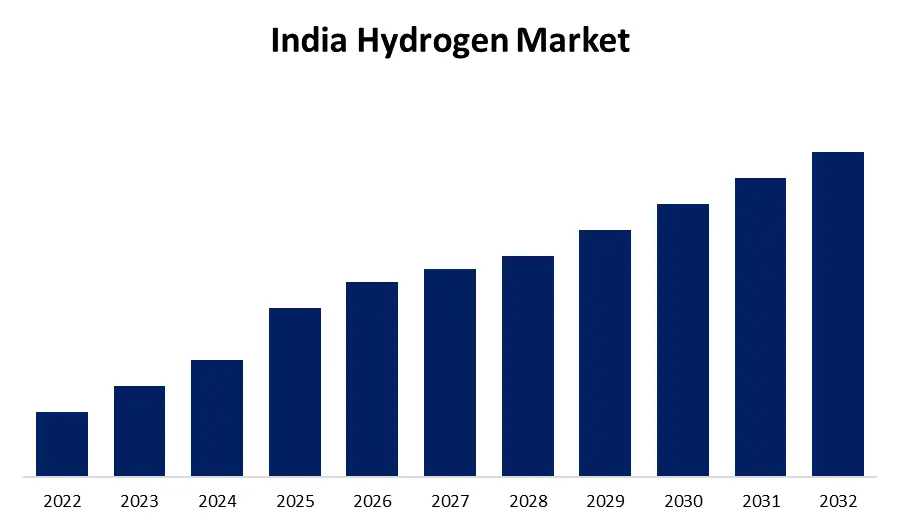
India’s Export Leap: Green Hydrogen and Beyond
India’s green hydrogen export potential hinges not only on the nation’s renewable energy capacity but also on the ability to build competitive value chains that include production, storage, transport, and market delivery. The green hydrogen supply chain involves:
- Renewable Energy Generation: India’s growing solar and wind power capacities provide the electricity required for green hydrogen production. With solar tariffs falling below ₹2 per unit in many areas, India’s electricity costs are among the lowest globally. (Financial Express)
- Hydrogen Production: Electrolyzers, powered by renewable energy, produce green hydrogen. India is scaling up electrolyzer production and manufacturing capabilities.
- Storage and Distribution: Hydrogen must be compressed, stored, and transported for use in industrial, transport, and energy applications. Infrastructure development, including port hubs and distribution networks, is a critical aspect of India’s export push.
- Export Markets: Europe and Asia are expected to drive demand for clean hydrogen, with countries like the Netherlands, Germany, Japan, and South Korea investing heavily in hydrogen infrastructure.
India is developing green hydrogen export hubs in key port locations, like Kochi and Mundra, where export-oriented industrial clusters will facilitate the movement of green hydrogen and its derivatives.
Reliance Industries: A Strategic Player in Green Hydrogen Exports
Reliance Industries stands out as one of the most ambitious players in India’s green hydrogen sector. The company, led by Mukesh Ambani, has committed to a significant shift from fossil fuels to renewables. As part of its New Energy business strategy, Reliance plans to build one of the largest green hydrogen production facilities in the world.
Reliance’s Dhirubhai Ambani Green Energy Giga Complex in Gujarat, India, will focus on manufacturing solar modules, electrolyzers, and hydrogen fuel cells. The complex aims to produce 5 million tonnes of green hydrogen annually by 2035.
Reliance’s scale and vertically integrated model — spanning renewables, electrolyzer manufacturing, and hydrogen production — give it a competitive edge in driving down costs and increasing global market penetration.
The company is also targeting the green ammonia market, which is used in fertilisers and heavy transport, aiming to dominate the emerging market for hydrogen derivatives. With major international partnerships, such as a tie-up with TotalEnergies, Reliance is positioning itself as a global green hydrogen powerhouse.

Adani Group: Leveraging Renewable Power to Lead the Green Hydrogen Revolution
The Adani Group, another major player in the green hydrogen space, is developing an integrated strategy to produce, store, and export green hydrogen. Through Adani New Industries Ltd. (ANIL), the group is investing heavily in green hydrogen production, leveraging its substantial renewable energy capacity.
Adani has set its sights on the green ammonia market, building production facilities in Gujarat that will generate 1 million tonnes of green hydrogen per year by 2030. The company is also working to develop hydrogen export logistics, including establishing dedicated transport and storage facilities at Indian ports like Mundra, making it a key export hub for clean fuels.
Partnerships with TotalEnergies and other international firms ensure that Adani can scale its green hydrogen efforts while tapping into global hydrogen markets. The company’s substantial investments in solar and wind energy infrastructure make it well-positioned to lead India’s hydrogen export strategy.
ACME Group: Driving the Green Hydrogen Export Market with Advanced Solutions
ACME Group is another prominent renewable energy developer that is accelerating its efforts in green hydrogen production. The company has committed over ₹50,000 crore (~$6.6 billion) to develop large-scale green hydrogen and green ammonia projects.
ACME’s production hubs in Odisha and Tamil Nadu are designed to leverage India’s abundant renewable energy resources, focusing on producing green ammonia, a key hydrogen derivative used in fertiliser and industrial processes.
In addition to green hydrogen, ACME Group is focusing on developing export infrastructure, including pipelines, storage, and ammonia export terminals. The company’s green ammonia plants aim to tap into global demand, particularly from industries in Southeast Asia and Europe, where green ammonia can serve as a cleaner alternative to conventional ammonia.
ACME’s integrated approach, combining renewable energy with hydrogen production and distribution, positions it as a significant player in India’s push to dominate the green hydrogen export market.
Policy Support and Infrastructure Development: Fueling India’s Green Hydrogen Push
India’s green hydrogen ambitions are being supported by extensive policy measures. The National Green Hydrogen Mission provides substantial financial incentives for hydrogen production and infrastructure development, including subsidies for electrolyzer manufacturing and research into hydrogen storage solutions.
In addition, the Production-Linked Incentive (PLI) scheme is helping Indian manufacturers scale up electrolyzer production, a critical component in reducing the cost of green hydrogen.
Moreover, the Indian government’s commitment to green hydrogen infrastructure, including dedicated hydrogen export hubs at major ports, enhances India’s competitive advantage in the global hydrogen market.
Challenges in Scaling Green Hydrogen Exports
- High Production Costs: Despite falling costs, green hydrogen remains expensive compared to fossil fuels. While India has a cost advantage due to its low-cost renewable energy, scaling production and reducing electrolyzer costs are critical to remaining competitive globally.
- Infrastructure Bottlenecks: Developing sufficient storage and transport infrastructure for hydrogen, especially for exports, will require substantial investments.
- International Competition: Countries like Saudi Arabia, Australia, and Chile are also investing heavily in green hydrogen and could emerge as formidable competitors in the global market.
- Supply Chain Risks: Green hydrogen production requires specialized equipment, including electrolyzers and storage tanks, and scaling this supply chain is critical to meeting international demand.
Related Links
India’s Green Hydrogen Future
India’s green hydrogen export leap is a transformative step in its clean energy strategy, and companies like Reliance, Adani, and ACME Group are leading the charge. The country’s abundant renewable energy resources, combined with strong policy support and strategic corporate investments, are positioning India as a global leader in hydrogen and hydrogen derivatives.
As green hydrogen production scales, costs decrease, and infrastructure builds out, India is on track to become a key player in the global energy market, generating billions of dollars in exports and contributing significantly to the world’s decarbonisation efforts.
The next decade will be pivotal in determining India’s role in shaping the future of green energy and exports, with these three companies potentially paving the way for India’s global energy leadership.