
Winter fog, dust and condensation can reduce solar panel efficiency, particularly in pollution-prone regions. However, experts say proper cleaning, safe maintenance and seasonal adjustments can significantly improve performance.
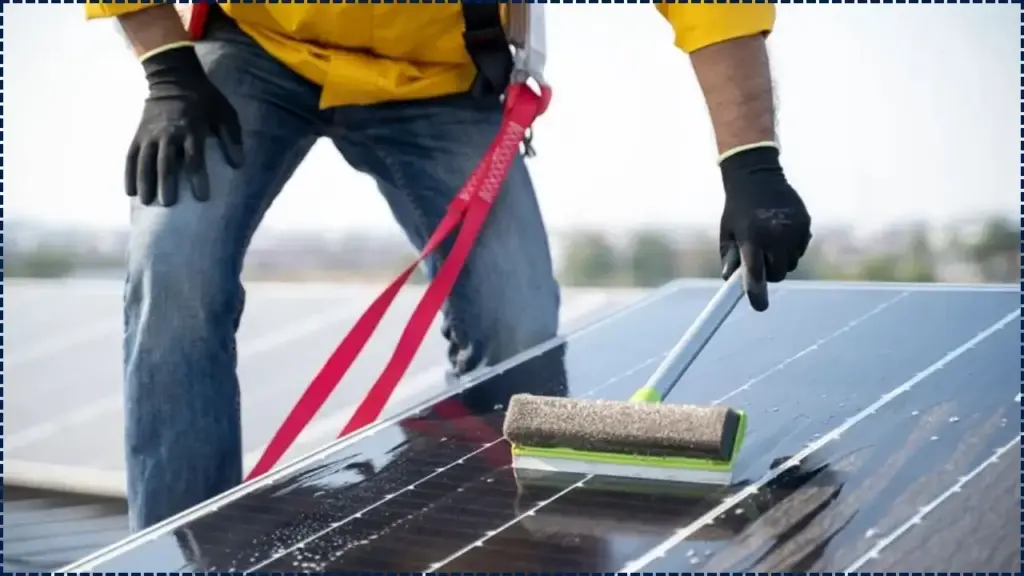
This guide explains how homeowners and businesses can protect solar output during colder months and minimise losses caused by soiling and low sunlight conditions.
Why Solar Panels Lose Output in Fog and Winter
Solar panels generate electricity from sunlight, not heat. Cold temperatures can actually improve panel efficiency because photovoltaic cells operate more efficiently at lower temperatures. However, winter introduces other challenges.
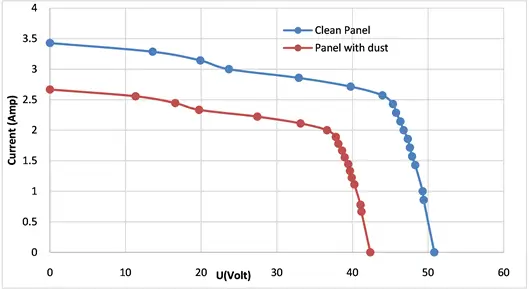
Fog contains fine water droplets that settle on panel surfaces. In urban areas, these droplets mix with dust, soot and pollutants, forming a thin residue. Over time, this accumulation blocks sunlight from reaching the solar cells.
According to research published in renewable energy journals and cited by international clean energy agencies, soiling losses can range from 3% to more than 20%, depending on pollution levels and maintenance frequency.
In India, where several northern cities experience high winter pollution levels, soiling effects may be more pronounced. Data from the Ministry of New and Renewable Energy (MNRE) show that rooftop solar adoption is increasing rapidly, making maintenance awareness increasingly important.
Pro-Tips to Keep Your Panels: 5 Pro-Tips to Maintain Peak Solar Output in Winter
Experts emphasise that while achieving absolute “100% output” depends on weather conditions, maintaining clean panels can restore systems to their optimal operating capacity relative to available sunlight. Below are five practical and safety-focused strategies.
1. Clean Panels Regularly Using Safe Methods
Routine cleaning remains the most effective way to counter winter soiling. Industry guidelines recommend cleaning solar panels every few weeks in dusty or polluted environments, particularly during fog-heavy months.
Use:
- Soft microfiber cloths or non-abrasive brushes
- Mild detergent mixed with water
- Low-pressure water spray
Avoid:
- High-pressure washers
- Harsh chemicals
- Metal scrapers
Cleaning should be done during early morning or late evening when panels are cool. Rapid temperature changes caused by cold water on hot glass may cause micro-cracks over time.
Professional installers often advise using demineralised or distilled water to prevent mineral streaking.
2. Adjust Tilt Angle for Seasonal Efficiency
In winter, the sun sits lower in the sky. Panels positioned at a steeper tilt can capture more sunlight and help shed fog moisture or light snow. The optimal tilt angle typically aligns with local latitude, with seasonal adjustments improving winter performance.
For fixed rooftop systems, tilt may not be adjustable. However, ground-mounted installations often allow seasonal modification. Energy engineers note that steeper angles also reduce dust accumulation by encouraging natural runoff.
3. Remove Snow and Frost Carefully
In northern and hilly regions, snow accumulation can block sunlight entirely. Experts caution against pouring hot water on frozen panels. Sudden thermal changes may damage glass surfaces.
Instead:
- Use soft snow rakes with rubber edges
- Allow natural sunlight to melt frost where possible
- Clear edges to prevent re-freezing
Where snowfall is minimal but frost forms overnight, waiting for natural thawing is often safest.
4. Reduce Shading and Monitor Nearby Obstructions
Foggy mornings already limit direct sunlight. Additional shading from trees, buildings or antenna structures further reduces energy generation. Even partial shading of one panel can reduce output across the entire string in traditional solar arrays.
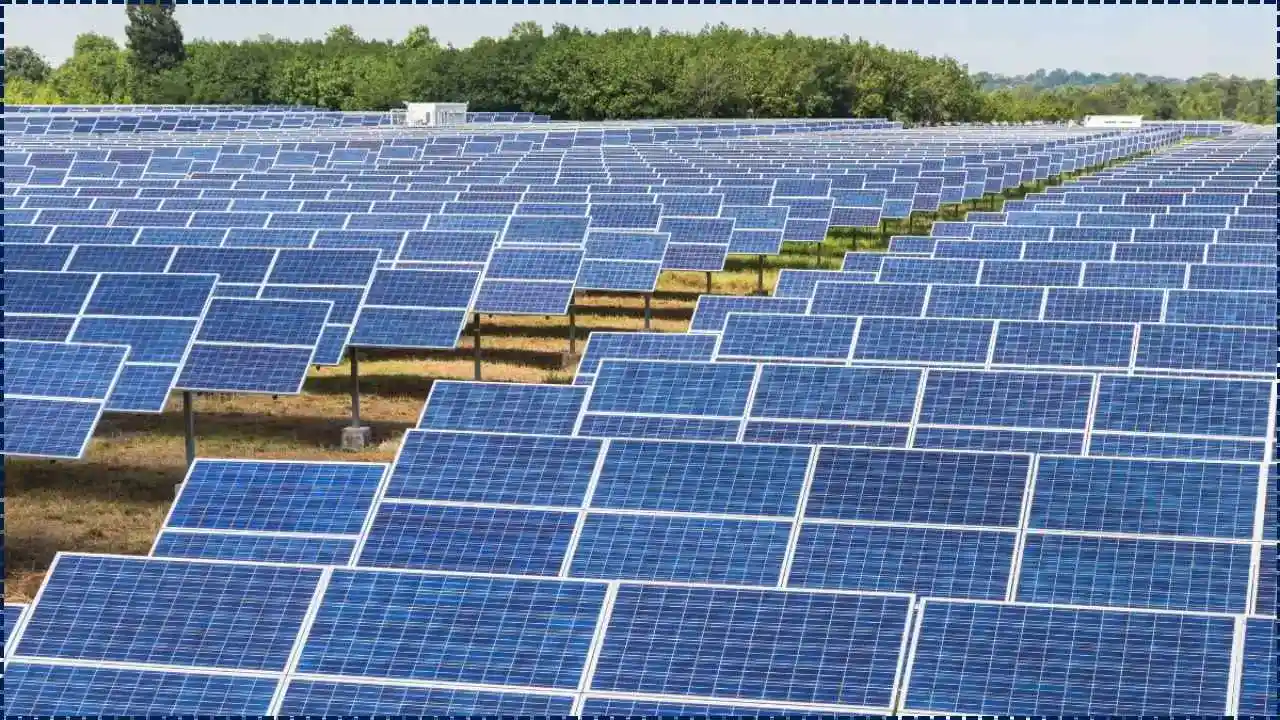
Trimming branches and ensuring unobstructed exposure can improve efficiency. In urban settings, air pollution may also deposit particulate matter more quickly, requiring more frequent inspection.
5. Use Monitoring Systems and Professional Inspections
Modern solar systems include inverter-based monitoring tools that track daily output.
A sudden dip in performance may signal:
- Soiling
- Wiring faults
- Inverter inefficiencies
- Panel degradation
Industry associations recommend professional inspection once per year, particularly before or after winter.
Technicians check:
- Mounting integrity
- Electrical connections
- Inverter health
- Micro-cracks
Professional servicing ensures compliance with warranty requirements, as improper cleaning may void manufacturer guarantees.
Cost-Benefit Analysis: Is Cleaning Worth It?
Experts say the financial benefit often outweighs maintenance costs. For residential systems generating 4–5 kW, a 10% performance drop during winter could mean measurable loss in monthly energy savings.
Over an entire season, this reduction may equal several units of electricity that would otherwise offset grid consumption. Professional cleaning services typically charge modest fees relative to long-term energy savings.
Water Usage and Sustainability Concerns
In water-scarce regions, homeowners must balance cleaning needs with conservation.
Experts suggest:
- Using minimal water
- Employing water-efficient spray nozzles
- Cleaning only when performance data shows measurable decline
Some large solar farms use robotic dry-cleaning systems to reduce water dependency.
Common Myths About Winter Solar
Myth 1: Solar panels stop working in fog.
Fact: Panels generate electricity from diffuse sunlight, even under cloudy conditions.
Myth 2: Snow damages solar panels permanently.
Fact: Most panels are designed to withstand snow loads within certified limits.
Myth 3: Rain is enough to clean panels.
Fact: Rain may reduce surface dust but often leaves mineral residue behind.
Regional Considerations in India
Northern states such as Delhi, Punjab and Uttar Pradesh experience heavy winter fog combined with pollution. Coastal regions face salt deposition, which may also affect panel surfaces.
Hilly states may encounter frost and snow accumulation. Maintenance schedules should reflect local environmental conditions.
Long-Term Winter Performance Outlook
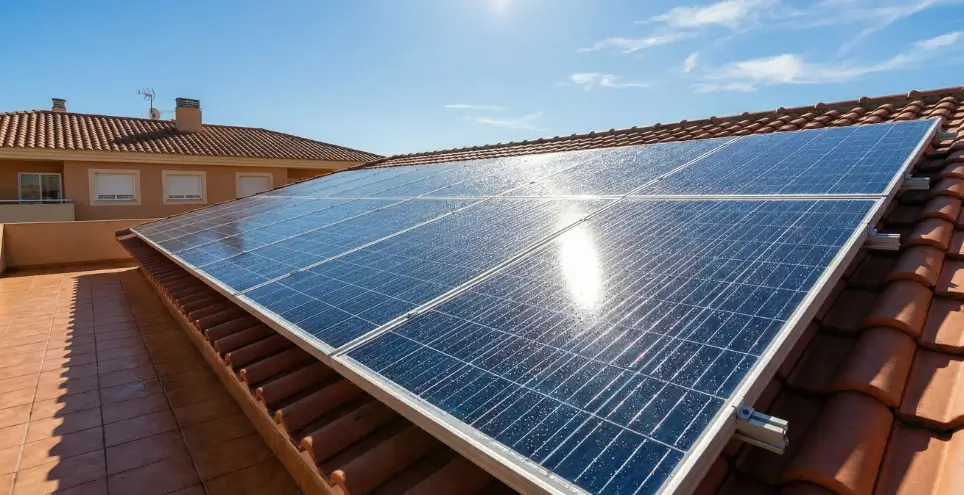
Despite winter challenges, cold temperatures can improve panel efficiency compared with peak summer heat.
According to international photovoltaic research, panels lose efficiency at high temperatures, sometimes up to 0.5% per degree Celsius above standard test conditions. Thus, winter output may remain strong if surfaces are clean and sunlight exposure is maximised.
Related Links
Waaree and Premier Energies plunge 14% after US slaps 126% duty; What should investors do?
Safety First: Key Precautions
- Never climb onto rooftops without safety harnesses
- Avoid cleaning during wet or icy roof conditions
- Disconnect system if recommended by manufacturer
- Hire certified professionals for difficult access systems
Electrical safety remains paramount.
Winter fog and dust do not eliminate solar power generation, but they can reduce efficiency if maintenance is neglected.
By following structured cleaning routines, adjusting tilt where possible, managing shading and monitoring system performance, homeowners and businesses can preserve optimal energy output.
Solar energy remains viable year-round. Proper winter care ensures systems continue delivering long-term financial and environmental benefits.