
For investors looking to capitalize on the rapidly growing solar energy sector without the risks associated with picking individual stocks, Solar Exchange-Traded Funds (ETFs) provide an ideal solution.

These funds give exposure to multiple companies across the solar industry, offering diversified, lower-risk investments and the potential for steady returns.
What Are Solar ETFs and How Do They Work?
Solar ETFs are investment funds that hold shares in a diverse group of solar companies. They track indexes composed of companies involved in solar energy production, manufacturing, installation, and technology development.
Solar ETFs provide an easy and efficient way to gain exposure to the solar energy market, all while reducing the risk associated with individual stock investments. For example, the Invesco Solar ETF (TAN) follows the MAC Global Solar Energy Index, with investments in companies like First Solar, Enphase Energy, and Sunrun.
Similarly, iShares Global Clean Energy ETF (ICLN) provides exposure to a broader range of clean energy companies, including both solar and wind energy firms. This fund helps diversify the investor’s exposure to renewable energy, thus spreading out the risk.
By purchasing shares of these ETFs, investors can indirectly invest in multiple solar companies, ensuring better diversification, which leads to lower individual stock risk.
Invest in Solar ETFs for Steady Returns: Why Solar ETFs Offer Lower Risk and Steady Returns
Investing in solar ETFs can significantly reduce the risks compared to picking individual stocks in the solar sector. Here’s why:
1. Diversification Across Multiple Solar Companies
One of the primary advantages of solar ETFs is diversification. Instead of focusing on the performance of a single company, solar ETFs spread investments across multiple solar stocks. This means that any decline in one company’s performance can potentially be offset by gains in another, reducing the overall risk of your portfolio.
For instance, an ETF like TAN holds shares in over 40 solar companies, including panel manufacturers, energy developers, and infrastructure companies.
This broad exposure mitigates risks such as technology failure, regulatory changes, or supply chain disruptions affecting any single company.
2. Lower Volatility
Solar energy stocks are known for their volatility, especially during times of regulatory uncertainty, price fluctuations in the global energy markets, or technological disruptions. Solar ETFs, on the other hand, are less volatile because they are diversified across a broad basket of companies.
This means the fund’s performance is less likely to be impacted by the challenges faced by a single stock.
For example, if one company faces delays in its solar panel production, other companies in the fund that focus on different aspects of solar energy, such as installation or grid infrastructure, can offset the negative effects.
3. Access to Solar Growth Without Picking Stocks
Solar ETFs provide an easy way for investors to tap into the solar industry’s growth without needing to pick individual winners. The renewable energy sector is expanding rapidly, and solar energy is expected to play a significant role in global energy transformation.
As countries and regions work toward net-zero emissions targets, the demand for solar energy will continue to rise, benefiting companies across the entire solar value chain.
हवाओं का खिलाड़ी उड़ान को तैयार! ₹82 पर पहुंचेगा शेयर का भाव, रीटेल के पास है 25% हिस्सेदारी
Why Solar ETFs are Attractive Now
With the increasing importance of renewable energy, the performance of solar stocks and ETFs has improved significantly in recent years. Factors contributing to this growth include:
1. Increasing Global Solar Demand
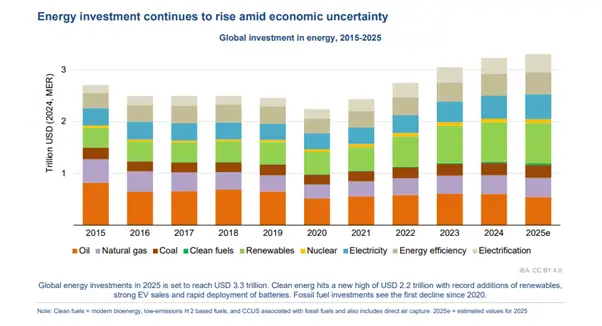
Global demand for solar energy is projected to grow significantly, especially as nations and organizations push for carbon neutrality. According to the International Energy Agency (IEA), solar energy is expected to continue to be the fastest-growing source of electricity generation, outpacing other forms of energy.
The rapid pace of global solar expansion creates growth opportunities for companies involved in manufacturing, technology, installation, and distribution.
2. Renewable Energy Policy Support
Governments worldwide have committed to significantly increasing clean energy production, with a focus on solar. In India, for example, the government has set ambitious targets of 500 GW of non-fossil fuel capacity by 2030, with solar playing a leading role.
Such supportive policies provide a favorable environment for solar companies to thrive, directly benefiting solar ETFs.
3. Technological Advancements in Solar Energy
Innovations in solar technology, such as the development of more efficient solar panels, energy storage solutions, and smart grids, have helped lower costs and improve the efficiency of solar energy systems.
These advancements are likely to drive demand for solar energy and increase the profitability of companies in the solar ETF index.
How Solar ETFs Compare to Other Renewable ETFs
Solar ETFs are a great choice for those who want targeted exposure to the solar energy market. However, investors should also consider clean energy ETFs that include not only solar companies but also wind and other renewable energy companies. Here’s a quick comparison:
1. Solar ETFs vs Clean Energy ETFs
- Solar ETFs focus solely on solar energy companies.
- Clean Energy ETFs provide exposure to various renewable energy sectors, including solar, wind, and hydrogen. This broadens diversification but reduces specific exposure to the solar sector.
- Example of Clean Energy ETFs: iShares Global Clean Energy ETF (ICLN) vs. TAN (Invesco Solar ETF).
2. Solar ETFs vs Wind ETFs
- Wind ETFs focus exclusively on wind energy.
- If you believe solar energy will continue to outperform wind over the next decade, a solar ETF may provide higher returns.
Choose the Right Solar ETF for You
When deciding on which solar ETF to invest in, consider the following factors:
1. Expense Ratios
Check the expense ratio, which represents the management fee of the fund. Lower expense ratios mean you pay less in fees, which can compound positively over time.

2. Holdings and Focus
Consider whether you want exposure only to solar companies or if you prefer broader exposure to clean energy technologies. This will help you decide between solar-only ETFs and more diversified clean energy funds.
3. Performance History
While past performance isn’t always an indicator of future success, looking at an ETF’s historical returns can provide insight into its performance during different market conditions. Compare long-term performance to benchmark indices.
4. Liquidity
Ensure the ETF has sufficient liquidity, meaning you can easily buy or sell shares without affecting the market price. This is particularly important for retail investors.
Real-Life Example: How Solar ETFs Have Performed
In 2020, as global demand for clean energy surged, TAN (Invesco Solar ETF) saw impressive growth. During this period, TAN outperformed many individual solar stocks, showing the benefit of diversification. Investors who invested in TAN from January 2020 to December 2020 experienced a 45% return as solar energy adoption surged.
In comparison, some individual solar stocks faced volatility due to factors like regulatory setbacks or project delays. This demonstrates how solar ETFs can smooth out stock-specific risk while benefiting from the broader market trend.

Related Links
Risks and Considerations for Solar ETF Investors
Though solar ETFs are generally less risky than individual stocks, they come with their own set of risks:
- Market Sensitivity: Solar ETFs are still subject to broader market conditions, including interest rate changes and economic slowdowns.
- Geopolitical Risk: Solar companies often rely on global supply chains and international markets. Geopolitical tensions or trade restrictions can disrupt these networks.
- Sector Concentration: Solar ETFs are sector-focused and can be impacted by specific challenges facing the renewable energy industry.
Solar ETFs for Steady Returns and Lower Risk
For investors who want to benefit from the growing solar energy sector but avoid the risks of individual stocks, solar ETFs provide an excellent solution. By diversifying across multiple companies, solar ETFs reduce risk and provide access to steady returns, making them an attractive option for long-term investors.
As the global demand for clean energy continues to rise, solar ETFs will play a crucial role in helping investors participate in this growth while minimizing exposure to volatility.