
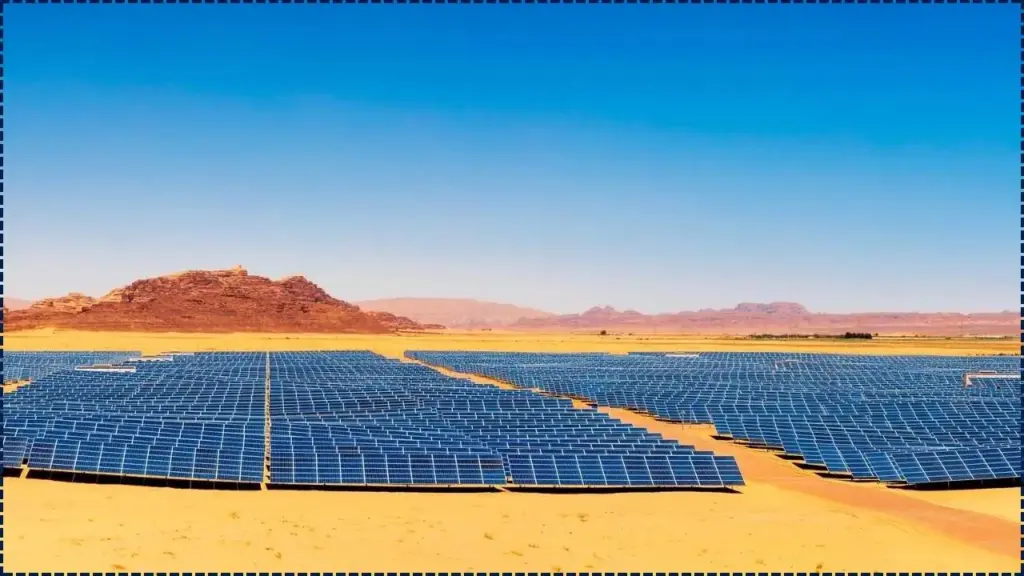
The Sahara Desert, with its vast expanse and intense sunlight, has long been viewed as a potential solution to the world’s energy crisis. Researchers and energy experts have calculated that covering just a fraction of this enormous desert with solar panels could generate enough electricity to meet global energy needs.
However, a growing body of research warns that this ambitious plan might trigger unintended climate disruptions. The Sahara paradox — the tension between generating clean energy and potentially destabilizing local and global climates — is rapidly gaining attention among climate scientists. Is it possible to harness the Sahara’s solar power without disrupting global weather systems and ecological balance?
The Promise of Sahara Solar Energy
Enormous Solar Potential
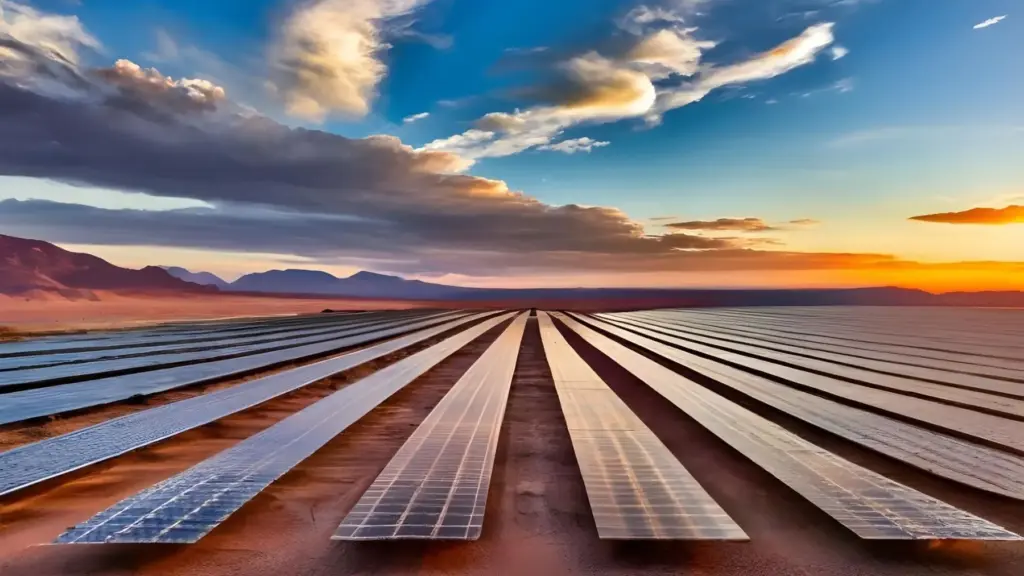
The Sahara spans approximately 9.2 million square kilometers, making it one of the largest deserts on Earth. Its sunlight exposure is unparalleled, receiving more than 3,600 hours of sunlight annually in most regions, with some areas exceeding 4,000 hours. This makes the Sahara an ideal candidate for solar power generation.
According to estimates, covering as little as 1.2% of the Sahara with solar panels could provide enough energy to meet global electricity demand. The concept is simple: harness the desert’s abundant sunlight to power the world while reducing carbon emissions and reliance on fossil fuels.
A History of Solar Ambitions in the Sahara
The idea of harnessing the Sahara’s solar potential isn’t new. Early proposals to use the desert as a global energy source began circulating in the 1970s with projects like Desertec, which aimed to build massive solar farms in North Africa to generate power for Europe.
The Desertec Initiative, launched in the late 2000s, was perhaps the most well-known attempt, aiming to develop solar and wind energy projects across the desert to help power Europe, the Middle East, and North Africa.
Despite technological advances and initial enthusiasm, the project faced significant economic challenges, political instability, and logistical hurdles, making it impossible to scale.
Nonetheless, it demonstrated the feasibility of using desert solar power on a large scale, while also highlighting the complexities involved.
The Climate Trade-Off: Altering the Sahara’s Climate
The Albedo Effect and Heat Absorption
At the core of the Sahara paradox lies the albedo effect — the amount of sunlight that is reflected back into space by the Earth’s surface. The natural sand in the Sahara has a high albedo, meaning it reflects a significant portion of the sun’s energy. However, solar panels are designed to absorb sunlight, reducing the desert’s albedo.
This could lead to greater heat absorption in the region, increasing surface temperatures and altering local atmospheric conditions. According to climate modeling studies, replacing the reflective desert sand with dark solar panels could lead to a 1.5°C increase in local temperatures even at relatively low levels of panel coverage.
This increase in heat could trigger a cascade of effects, such as changes in wind patterns, air pressure, and local weather systems.
Rainfall and Climate Feedback Loops
Research into the impact of large-scale solar installations in the Sahara suggests that such projects could significantly affect regional rainfall patterns. By altering local surface temperatures, solar farms could change the atmospheric circulation of the region, which might shift rain-bearing systems.
Simulations have shown that changes in the Sahara’s climate could increase rainfall in parts of North Africa, but could also reduce rainfall in the Amazon or South Asia. These changes in precipitation could have profound impacts on ecosystems and agriculture in distant regions.
For example, the Amazon Rainforest, a crucial global carbon sink, could face increased droughts as rainfall patterns shift, exacerbating deforestation and decreasing its ability to mitigate climate change.
Global Consequences: Regional and Worldwide Impacts
Disturbing Wind and Ocean Currents
Changes in the Sahara’s surface temperature could also affect wind patterns and ocean currents globally. Alterations to local temperature gradients may disrupt global atmospheric circulation systems, such as the Hadley cells, which influence rainfall and wind patterns across the tropics.
Such changes could lead to an increase in severe weather events, such as hurricanes and tropical storms, which affect coastal regions far from the Sahara.
In particular, the disruption of ocean currents like the Gulf Stream could lead to cooler temperatures in Northwestern Europe, despite overall global warming. This could further exacerbate climate change impacts on agriculture and infrastructure in affected regions.
Technological Challenges of Solar in the Sahara
Infrastructure and Energy Transmission
Despite its enormous potential, solar energy in the Sahara faces significant technological and logistical hurdles. While covering a small portion of the desert with solar panels could theoretically generate sufficient energy to power the world, the infrastructure required to store, transmit, and distribute that power is immense.
Currently, there is no reliable way to efficiently transmit solar power over the vast distances from the Sahara to energy-hungry regions like Europe or Asia.
High-voltage direct current (HVDC) lines would need to be built, but these are expensive and suffer from transmission losses over long distances. As a result, the cost of transmitting solar energy from the desert would be high, requiring substantial investments in infrastructure.
Extreme Conditions and Maintenance
The extreme conditions in the Sahara — including sandstorms, high temperatures, and dust accumulation — could reduce the efficiency and longevity of solar panels. While solar panel technology has improved in durability, operating in the harsh desert environment would increase the maintenance needs and costs associated with solar energy production.
Panels would require frequent cleaning to maintain their efficiency, adding another layer of complexity to large-scale deployment.
Ethical, Environmental, and Political Considerations
Social Impacts on Local Communities
One significant ethical concern is the impact that large solar farms in the Sahara could have on local communities and indigenous populations. Large-scale land use changes could disrupt existing economies, particularly for communities who rely on the desert for livelihoods.
Displacement and loss of traditional land could fuel social unrest and create environmental injustices for local populations.
International Cooperation and Fairness
The global nature of solar energy projects in the Sahara also raises questions about international equity. Who benefits from this energy? Will countries in North Africa and the Middle East have access to the electricity generated from these projects, or will it be primarily exported to Europe?
Addressing these concerns requires a balanced approach that ensures equitable distribution of benefits while respecting the sovereignty of the region.
NHPC Share News: कंपनी ने सोलर प्रोजेक्ट पर दिया बड़ा अपडेट – जानिए क्या हो सकता है शेयर पर असर
Alternative Approaches: Distributed Solar Energy
Instead of focusing on large-scale projects in the Sahara, many experts argue for a distributed approach to solar energy production. Solar farms in multiple sun-rich regions, from the Middle East to California to Australia, would reduce risks associated with centralized solar generation in one area.
Distributed solar also allows for localized energy generation, which minimizes the need for long-distance transmission infrastructure.
Furthermore, integrating energy storage technologies, such as green hydrogen or advanced batteries, would enhance the flexibility and stability of renewable energy systems, making them more resilient to fluctuations in supply and demand.
Related Links
Balancing Solar Ambition with Climate Stability
While the Sahara offers a tantalizing prospect for solving the world’s energy crisis, large-scale solar projects in the desert present complex climate, environmental, and ethical challenges. The Sahara paradox illustrates the delicate balance between harnessing renewable energy and protecting the global climate system.
As we pursue cleaner energy alternatives, it’s essential to carefully consider the unintended consequences of large interventions in delicate ecosystems.
The future of Sahara-based solar energy will depend on a nuanced approach, taking into account not only the technological feasibility but also the long-term climate impacts, social implications, and the equitable distribution of energy resources.
FAQs
Q: Can solar power from the Sahara really meet global energy needs?
While it is theoretically possible to generate enough solar power from the Sahara to meet global energy demand, logistical, environmental, and geopolitical challenges make such a project impractical without significant changes in infrastructure and international cooperation.
Q: How would large solar farms in the Sahara impact the climate?
Massive solar installations could significantly alter local temperatures and atmospheric circulation, leading to changes in regional rainfall and potentially affecting global weather patterns, including monsoons and ocean currents.
Q: What are the alternatives to Sahara solar farms?
Experts advocate for distributed solar energy systems spread across multiple sunny regions, along with advancements in energy storage and grid integration, as more resilient solutions to the global energy transition.