
In recent years, a growing number of preppers — individuals who prepare for emergencies, natural disasters, or societal disruptions — are turning away from traditional gas-powered generators in favor of solar energy systems.
This shift marks a fundamental change in how emergency power is viewed, with many opting for solar’s advantages in sustainability, safety, and long-term cost-effectiveness.
For decades, gas generators have been the go-to solution for powering homes and essential appliances during power outages. However, as solar technology has become more affordable and reliable, it has emerged as a viable alternative for those looking for energy independence in uncertain times.
This trend has become particularly pronounced among preppers, who value preparedness for unexpected events, whether caused by severe weather, grid failures, or economic instability.
Understanding the Shift: Gas Generators vs. Solar Power
Traditionally, gas generators have been valued for their immediate power capabilities. These devices, fueled by gasoline or diesel, can be quickly deployed in emergencies to run household appliances, medical equipment, and tools for a limited time.
They are straightforward to use and don’t rely on weather conditions — an advantage in regions where sunlight may be scarce. However, the limitations of gas generators have become more apparent as preppers look for more sustainable, long-term solutions.
These systems are not without their drawbacks. Gas-powered generators are loud, often emit dangerous fumes, and require constant fuel supply, which can be difficult to store and maintain. Furthermore, fuel costs fluctuate, and access to gasoline or diesel may be limited in the aftermath of widespread disasters.
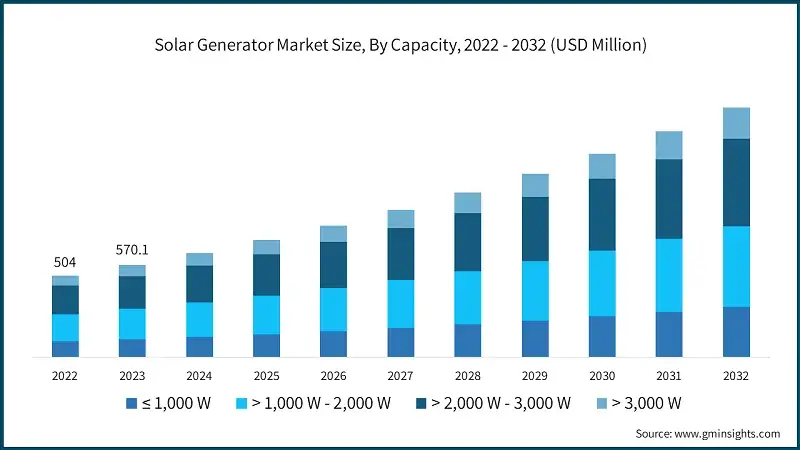
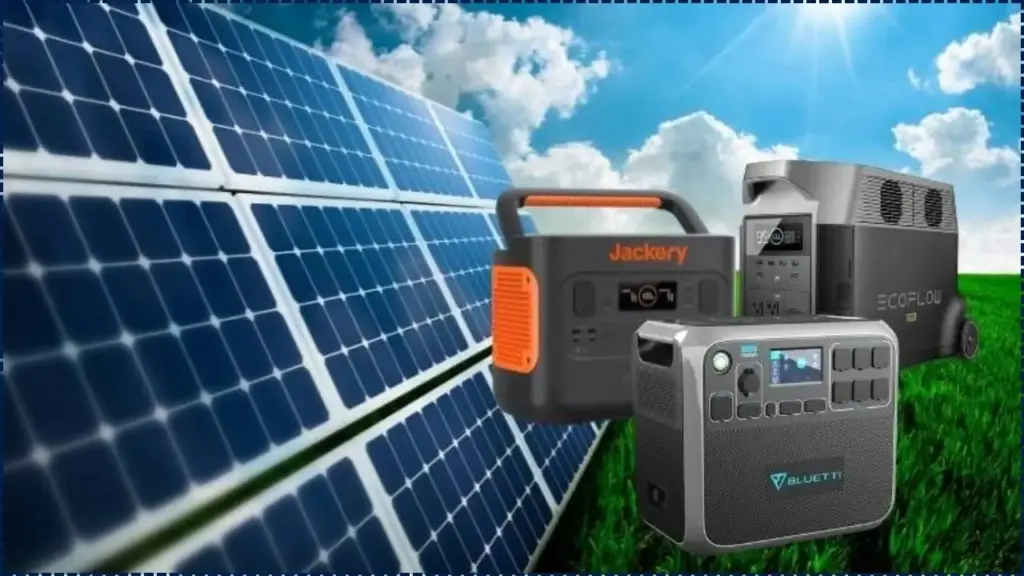
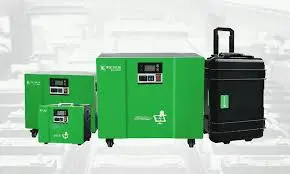
Solar generators, which combine solar panels and batteries, offer a radically different approach. Once installed, solar systems have no ongoing fuel costs, require minimal maintenance, and operate quietly.
Crucially, they produce no harmful emissions and can be used indoors safely. These systems depend on sunlight, but with the right setup, including battery storage, they can provide continuous power, even on cloudy days.
The Growing Appeal of Solar Power for Preppers
As environmental concerns and climate-related disasters increase, many preppers are now prioritizing sustainability and reliability. With global efforts to reduce reliance on fossil fuels, solar power presents a natural alternative. Solar generators are seen as an investment in both energy independence and environmental responsibility.
“Solar power has proven to be not only a more reliable and safe option for emergency preparedness but also an eco-friendly solution that aligns with the growing movement toward sustainable living,” said Dr. Rachel Kim, an energy expert at the National Renewable Energy Laboratory (NREL).
Key Advantages of Solar Over Gas Generators
1. Safety and Health Concerns
One of the most compelling reasons for the shift to solar is safety. Gas generators emit harmful gases such as carbon monoxide, which can be fatal if inhaled in enclosed spaces. These emissions are especially concerning in regions prone to extended power outages where people might be using generators indoors for long periods.
In contrast, solar generators have no emissions, making them safe for both indoor and outdoor use. This is particularly important for those living in confined spaces or in areas where ventilation may be limited during emergencies.
2. Low Operating Costs
Gas generators, while initially cheaper, incur ongoing costs for fuel, which must be replenished regularly. During widespread power outages, gas may become scarce, further inflating prices. Solar power, however, relies on the sun, and once the panels and batteries are set up, there are no recurring costs for fuel.
While the initial investment in solar generators can be high, many preppers view it as a long-term solution. The costs of gasoline over time can quickly exceed the upfront cost of a well-maintained solar setup.
3. Reliability and Sustainability
Solar energy is a renewable resource, and it’s free — a key advantage over gas generators, which rely on nonrenewable fuels. Solar panels have a long lifespan, typically lasting 25 years or more with proper maintenance. This reliability makes solar generators an ideal choice for preppers who want to ensure consistent access to power, even if fuel supplies are interrupted.
Moreover, solar-powered systems can be expanded and customized to meet the growing energy demands of a household or community, whereas gas generators have a fixed capacity.
4. Ease of Maintenance
Gas-powered generators require regular maintenance to ensure proper operation, including oil changes, air filter replacements, and fuel system cleaning. These tasks can be time-consuming and may require technical expertise.
In contrast, solar systems require very little maintenance. Apart from occasional cleaning of the panels to ensure maximum efficiency, solar power systems are largely maintenance-free, which is an attractive feature for preppers seeking a hassle-free, reliable solution.
A Historical Shift: The Evolution of Power Generators
Power generation technology has evolved significantly over the years, and this progress is mirrored in the prepper community’s changing preferences. In the early days of emergency preparedness, gasoline-powered generators were a reliable choice for preppers, offering both portability and ease of use.
However, as concerns about fuel dependency and environmental impacts grew, solar technology began to gain traction. The introduction of affordable and more efficient solar panels over the last decade, combined with advances in battery storage technology, has made solar power a serious contender for emergency power needs.
Unlike gas generators, solar systems offer long-term, sustainable solutions for preppers seeking to reduce their reliance on fossil fuels and minimize their environmental footprint.
Cost Comparison: Gas vs. Solar Generators
When it comes to cost, gas generators may seem more affordable at first. A typical gas generator can range in price from a few hundred dollars to a couple thousand, depending on power output. However, ongoing fuel costs quickly add up, especially during long-term power outages.
In comparison, solar systems generally require a higher initial investment, with costs ranging from $1,000 to $5,000 for a basic setup. However, there are no recurring fuel costs. Solar panels typically last 25 years or more, and battery systems can also provide decades of service.
Over the life of the system, solar generators can end up being more cost-effective than their gas-powered counterparts.
Case Studies: Preppers’ Experiences with Solar Power
Many preppers have already made the switch from gas generators to solar power, and their experiences provide valuable insight. Take John Harris, a prepper from Texas, who transitioned to a solar generator system after facing repeated power outages during hurricane season.
“After realizing how much money I was spending on gas and how dangerous the fumes were, I decided to go solar,” Harris said. “The initial cost was steep, but I haven’t looked back. I feel much safer now, and I’m not dependent on gas stations that might be closed after a storm.”

The Role of Solar in Community and Grid Resilience
Solar generators don’t just serve individuals; they also have the potential to enhance community resilience in times of crisis. In rural or isolated areas, where access to electricity can be limited, solar power offers a lifeline.
By investing in solar microgrids or community solar storage systems, preppers can ensure that entire neighborhoods have reliable access to power during disasters, without relying on centralized grid infrastructure.
Future Trends in Energy for Preppers
Looking ahead, the future of emergency power for preppers is bright. As battery technology continues to improve, the efficiency of solar generators will only increase. Additionally, smart grids and energy-sharing systems will allow communities to pool their solar resources, sharing power during outages or peak demand periods.
Emerging innovations such as hydropower generators, wind energy systems, and biogas generators may also become important components of prepper energy strategies, diversifying the ways in which households and communities can meet their power needs.
Related Links
Looking Forward: Solar’s Role in the Future of Emergency Power
The adoption of solar generators is expected to continue growing as technology advances, costs decline, and the importance of energy security becomes more widely understood. While gas-powered generators will likely remain in use for some time, the long-term trend points to solar energy as the cornerstone of emergency power preparedness.
“It’s not just about surviving the next power outage,” said Dr. Kim. “It’s about creating a future where we are less reliant on fossil fuels and more self-sufficient in how we generate and store power.”
As more preppers embrace solar energy, the power security landscape is shifting. Solar power offers a cleaner, safer, and more reliable alternative to gas generators, and its growing adoption could signal a turning point in how we approach emergency preparedness in the 21st century.
FAQs
Q1: Why are gas generators still used by some preppers?
A1: Gas generators are still preferred by some due to their immediate availability and ability to produce power in remote locations where sunlight might be limited. However, the safety and sustainability benefits of solar generators are becoming increasingly clear.
Q2: Can solar generators work in cloudy weather?
A2: Yes, solar generators can still produce power on cloudy days, although they are most efficient in direct sunlight. A good battery backup can store excess energy generated on sunnier days for use during overcast periods.