
In the remote and frigid expanse of Canada’s Arctic, where winter brings months of darkness and temperatures can plunge well below freezing, the idea of harvesting solar energy seems almost counterintuitive.
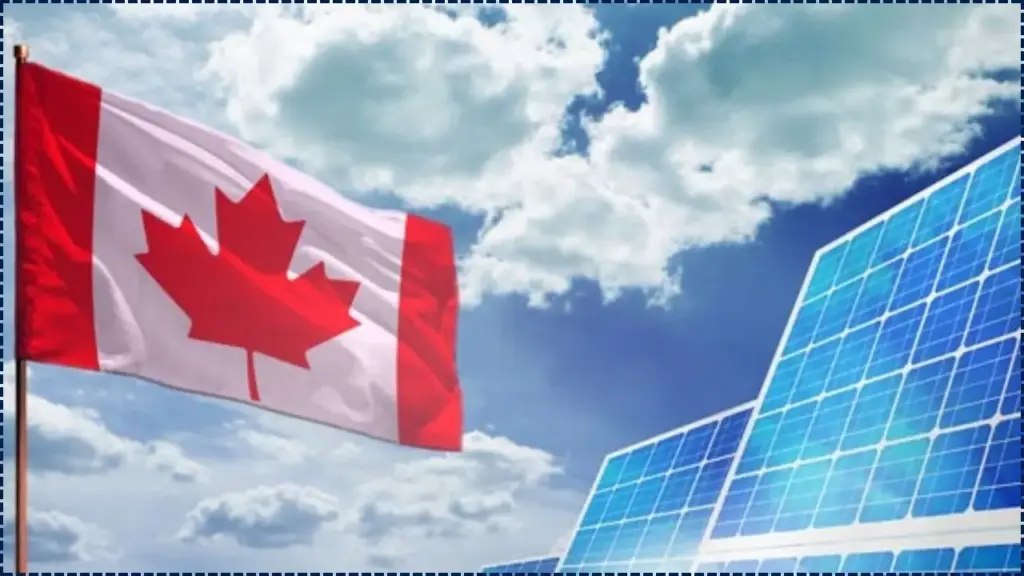
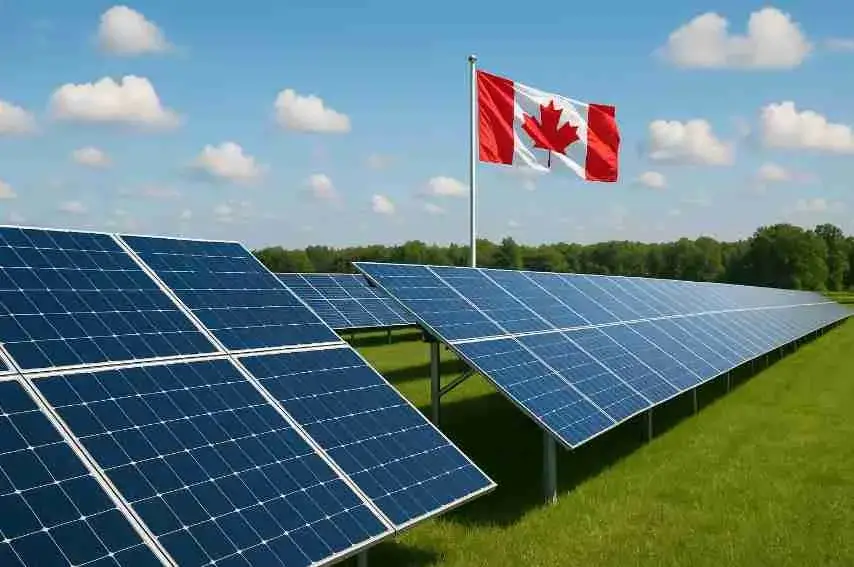
Yet, in a groundbreaking development, solar panels are being installed across northern territories, turning solar power into a viable energy source for even the harshest climates.
Once thought impractical for regions above the Arctic Circle, solar technology is beginning to thrive in Canada’s north. This surprising turn of events is driven by both technological innovation and a strong push toward sustainable energy solutions.
What began as a method for reducing reliance on diesel fuel has now evolved into a sustainable energy initiative that promises energy security for some of Canada’s most isolated communities.
Historical Context: The Evolution of Energy Solutions in the Arctic
For decades, the Arctic’s energy landscape has been dominated by diesel. Diesel fuel has been the primary source of power in remote northern communities due to its ability to run in extremely cold temperatures.
However, the cost of diesel, both financially and environmentally, has prompted a rethinking of energy solutions. In the past, fuel shipments were often delayed or too expensive, exacerbating energy access issues in these areas.
The emergence of solar power systems represents a significant shift in how communities in northern Canada are approaching energy generation.
While solar energy was once considered a luxury for warmer climates, recent developments in solar technologies, along with the need for energy independence in remote regions, have made solar power a much-needed alternative to diesel.
Solar Power in the Arctic: A New Reality
The Arctic, with its extreme climate conditions and long periods of darkness in winter, presents unique challenges for solar energy. Despite these challenges, there are notable advantages: cold temperatures actually improve solar panel efficiency by reducing heat-induced energy loss.
The key to solar power in the Arctic lies in its summer months, where the midnight sun provides nearly 24 hours of sunlight per day. During these summer months, solar panels generate power at an efficiency not seen in other climates.
However, the problem of long winters remains, and Arctic communities need advanced storage systems to store solar energy for the months when the sun barely rises above the horizon.
Thanks to improvements in energy storage technology — especially lithium-ion batteries and hybrid systems — solar power is increasingly becoming a year-round solution, even in the depths of winter.
Pioneering Solar Projects Across Canada’s Arctic
Grise Fiord: A Beacon for Solar Energy in the North
Grise Fiord, located on the southern shores of the Arctic Ocean, is Canada’s northernmost civilian settlement. In 2025, the community installed a 100 kW solar power system, which is already beginning to show substantial energy savings. This project marks an important milestone for solar energy in the Canadian Arctic.
The solar system, which integrates battery storage to ensure continuous power during winter, is part of a broader effort by the Nunavut government to reduce diesel consumption by 30% over the next decade. Grise Fiord’s adoption of solar power is a clear step towards energy autonomy, reducing its reliance on fuel shipments that are both costly and environmentally damaging.
Local residents have also received training to maintain and expand the solar infrastructure, ensuring that the system’s benefits will extend far into the future.
Old Crow: Leading the Way in Hybrid Renewable Energy
The community of Old Crow, in the Yukon, is another success story in Arctic solar adoption. Old Crow operates a hybrid microgrid that integrates solar PV panels, battery storage, and diesel generators.
The system reduces the use of diesel fuel and cuts greenhouse gas emissions by 190,000 liters of diesel annually. This approach offers reliability, as the backup diesel generators can be engaged during extended periods of low sunlight.
Old Crow’s model demonstrates the potential of combining solar power with wind energy, making it a model for other Arctic communities to follow.
It is also an example of how communities can use solar power to supplement traditional energy systems until renewable technologies can take over completely.
Global Comparisons: Solar Energy in Other Cold Climates
Canada is not alone in its push for solar energy in extreme climates. Countries like Norway, Sweden, and Iceland have also made progress in deploying solar power despite their northern latitudes.
In Norway, for example, solar panels are installed on buildings to generate power during the brief summer months, while battery systems and smart grids store power for the long winter months. Similarly, Iceland, with its geothermal energy resources, also incorporates solar power as part of its renewable energy mix, helping to diversify its energy sources.
These countries, like Canada, are overcoming the challenges of seasonal sunlight variation through a combination of innovative storage solutions and smart grid technologies. Canada’s efforts in the Arctic are helping to drive similar initiatives in these nations, proving that solar energy can work even in the most remote, extreme climates.
Indigenous Knowledge and Practices in Energy Systems
Indigenous communities are leading many of Canada’s solar energy projects. Their deep understanding of the local environment is invaluable when designing energy solutions that are both effective and sustainable.
The Arctic Remote Energy Network Academy (ARENA), for instance, is an initiative that brings together Indigenous communities, renewable energy experts, and governments to develop clean energy systems tailored to the needs of northern Canada.
In communities like Tuktoyaktuk and Aklavik, Indigenous leadership has been key in ensuring that solar energy systems are culturally appropriate and meet the long-term needs of residents. These efforts are paving the way for a future in which Indigenous groups can manage and control their energy production and usage, giving them energy sovereignty.
Government Support and Policy Frameworks
The Canadian federal government has recognized the importance of supporting northern solar energy projects. In addition to direct funding, such as C$300 million allocated for renewable infrastructure in the North, Canada has introduced policy frameworks that facilitate the transition to renewable energy.

These frameworks not only provide financial support but also offer training programs and technical assistance to communities making the shift to solar power. In 2025, Canada also announced a commitment to supporting 100% renewable energy in its northern territories by 2040.
This bold move positions Canada as a leader in renewable energy in extreme climates and showcases its dedication to reducing its carbon footprint.
Research and Technological Innovations
One of the keys to the success of solar power in the Arctic lies in ongoing research and technological advancements. Snow-shedding coatings, which help prevent snow accumulation on solar panels, are being tested in Canada’s northernmost regions.
These coatings are essential for ensuring that solar panels remain operational throughout the snowy months. Moreover, energy storage technologies, such as lithium-ion batteries, are being improved to withstand extreme temperatures, ensuring that solar energy generated during the summer months can be used throughout the year.
Related Links
Get 100% Solar Output Even in Fog! 5 Pro-Tips to Keep Your Panels Clean This Winter
No Electricity? No Problem! This Tiny ‘Solar Dome’ Brings Brightness to Off-Grid Homes
The Future of Solar Power in the Arctic
Looking ahead, solar power will play an increasingly important role in meeting Canada’s energy needs. As part of its commitment to net-zero emissions by 2050, Canada is working to ensure that solar and other renewable energy sources are integrated into every corner of the country.
By continuing to innovate and invest in renewable technologies, Canada’s Arctic will serve as a model for how even the most extreme environments can harness the power of the sun.
FAQs
Q: How does solar power work in such extreme cold?
A: Cold temperatures actually increase the efficiency of solar panels by reducing energy losses from heat. Innovations in cold-resistant materials and battery storage solutions ensure solar panels continue to generate power effectively even in extreme cold.
Q: What other renewable energy sources are being used in the Arctic?
A: In addition to solar power, many Arctic communities are incorporating wind energy and microgrids to ensure reliable energy production. Hybrid systems, which combine multiple energy sources, are common in remote areas.