Surat, Gujarat — In a game-changing move for India’s renewable energy sector, RENA Technologies of Germany and Celloraa Energy, an Indian solar manufacturer, have signed an agreement to establish a 1.2 gigawatt (GW) next-generation solar cell manufacturing facility in Surat, Gujarat.
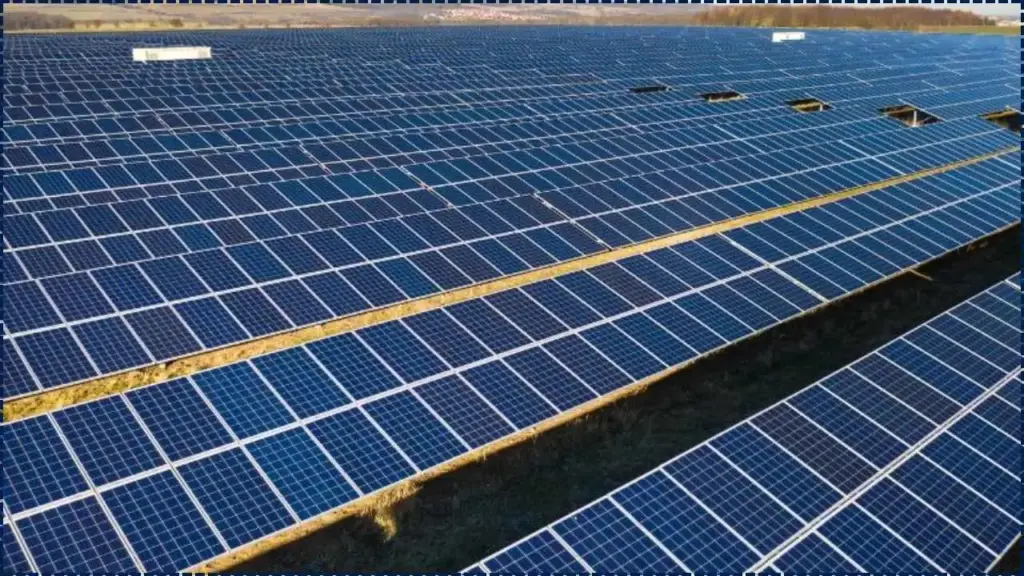
This partnership, announced on February 28, 2026, aims to bolster India’s solar manufacturing capacity and make the country a key player in the global solar market.
The new facility will focus on producing TOPCon (Tunnel Oxide Passivated Contact) solar cells, a highly efficient photovoltaic technology that is increasingly being adopted for utility-scale and residential solar systems.
The project is expected to play a significant role in meeting India’s ambitious renewable energy targets, which include generating 500 GW of non-fossil fuel energy by 2030.
Expanding India’s Solar Manufacturing Ecosystem
A Step Toward Self-Sufficiency
India’s solar energy ambitions are heavily dependent on domestic manufacturing to reduce reliance on imported solar cells and modules. This collaboration between RENA Technologies and Celloraa Energy is set to revolutionize India’s solar manufacturing ecosystem by bringing cutting-edge technologies to the country.
The facility will be equipped with advanced wet processing technology to produce TOPCon solar cells, a high-efficiency design that enhances the energy yield of solar panels.
“By investing in TOPCon technology and water-saving systems, this facility will significantly reduce India’s dependency on imported solar cells, improving energy security and fostering technological innovation in the domestic solar industry,” said Brijesh Gondaliya, Director of Celloraa Energy.
This manufacturing plant is expected to become a cornerstone of India’s strategy to build a sustainable solar supply chain. The facility’s ability to scale up production aligns with India’s goal to not only meet its growing domestic energy needs but also position itself as a major exporter of solar technology in the global market.
Why Gujarat? The Emerging Solar Manufacturing Hub
The state of Gujarat has been a key player in India’s rise as a global solar manufacturing hub. Known for its robust infrastructure, access to ports, and favorable policy environment, Gujarat has already attracted several major solar manufacturers, making it an ideal location for this new venture.
The Gujarat–Maharashtra Solar Manufacturing Corridor continues to expand, with significant investments in solar module production, equipment manufacturing, and now, cell production.
The state’s strategic location, combined with India’s PLI (Production Linked Incentive) scheme, will help reduce India’s dependency on imported raw materials and solar components, contributing to the country’s energy independence. By establishing this 1.2 GW facility in Surat, Gujarat further cements its position as a hub for solar technology manufacturing.
Technological Advancements in Solar Cell Manufacturing
The Power of TOPCon Technology
The TOPCon (Tunnel Oxide Passivated Contact) technology is considered one of the most efficient solar cell architectures today. Unlike conventional PERC (Passivated Emitter and Rear Contact) cells, which use a single layer for passivation, TOPCon cells utilize an additional tunnel oxide layer to increase efficiency by reducing electron recombination. This results in a significant boost in energy conversion rates, even under low-light conditions.
By focusing on this next-gen technology, the Surat facility will play a crucial role in meeting India’s growing demand for high-efficiency solar products, reducing reliance on older and less efficient cell technologies.
Water Efficiency and Sustainable Manufacturing
One of the defining features of this new facility is its emphasis on sustainable manufacturing. RENA’s advanced wet-processing equipment is designed to optimize water use, cutting down on wastewater generation and minimizing the environmental footprint of the solar production process.
This focus on sustainability aligns with India’s broader goals of creating green and resource-efficient manufacturing practices. The facility’s water-saving technology is expected to reduce water consumption by up to 50 percent compared to traditional solar cell production lines.
This is particularly important given the water scarcity issues that some parts of India face, and it positions India as a global leader in eco-friendly manufacturing.
The Economic Impact of the Solar Cell Facility
Job Creation and Economic Benefits
The construction of the 1.2 GW solar cell facility will create thousands of direct and indirect jobs in Gujarat. From skilled labor in manufacturing to engineering roles, logistics, and technical services, the facility is expected to have a significant economic impact on the region.
The presence of such a large-scale facility will also contribute to the local economy by attracting suppliers, contractors, and service providers to the area. Moreover, Celloraa Energy plans to set up training centers for local workers to ensure they are well-equipped with the skills necessary for solar manufacturing, which will contribute to the long-term development of India’s solar workforce.
The project aligns with India’s vision to not only expand solar capacity but also to build local expertise and enhance manufacturing self-sufficiency.
Global Implications: Competing in the Global Solar Market
India’s partnership with RENA Technologies is an important step in its journey to becoming a global leader in the solar sector. With the rise of global trade tensions and the need to diversify supply chains, India’s focus on boosting domestic solar production is more critical than ever.
The ability to produce high-efficiency solar cells will not only fulfill domestic needs but will also position India as a competitive player in the global market, particularly in developing countries and emerging markets that are looking for affordable, high-performance solar solutions.
Challenges and Future Prospects
Scalability and Sustainability
The 1.2 GW facility will mark the beginning of a new era for Celloraa Energy and India’s solar industry. However, scaling up production to meet global demand will present challenges. These include sourcing high-quality materials, ensuring consistent product quality, and meeting ever-growing global demand for solar cells.

Additionally, global competition, particularly from China and other Asian manufacturing hubs, could impact India’s ability to maintain cost competitiveness in the solar cell market. Despite these challenges, India’s ambitious targets for renewable energy and the growing global solar market provide significant opportunities for Celloraa Energy and its partners.
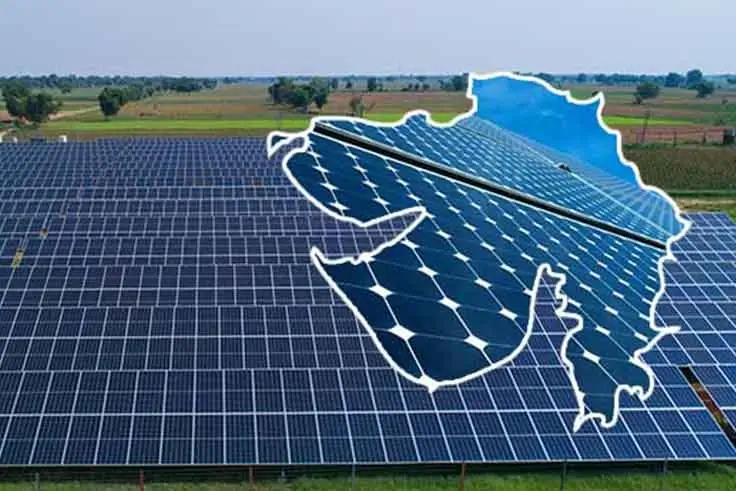
India’s push to become a solar manufacturing hub will be instrumental in reducing its dependence on foreign imports, while also contributing to clean energy adoption worldwide.
Related Links
The partnership between RENA Technologies and Celloraa Energy represents a key moment in the development of India’s solar manufacturing ecosystem. By leveraging TOPCon technology, sustainable manufacturing practices, and water-efficient solutions, the facility will contribute significantly to India’s renewable energy goals, while also boosting the country’s economic and technological standing on the global stage.
As India accelerates its transition to a clean energy economy, collaborations like this will play a vital role in ensuring energy security, job creation, and the sustainable growth of the solar industry.
With the support of government policies and global market dynamics, India is poised to emerge as a leading global supplier of high-performance solar technology, securing its place in the next-generation energy future.
FAQs
Q: Why is TOPCon technology important for India’s solar future?
A: TOPCon is a more efficient solar cell technology, offering higher energy conversion efficiency and better performance in low-light conditions compared to older technologies. This makes it ideal for meeting growing energy needs in India’s diverse climate conditions.
Q: How will the facility benefit the local economy?
A: The new solar cell facility will create thousands of jobs in Gujarat, ranging from manufacturing to technical services. It will also stimulate the local economy by attracting suppliers and contractors, while contributing to the development of a skilled workforce in solar technology.