
In a major leap toward integrating solar energy with battery storage, Jaipur Vidyut Vitran Nigam Ltd. (JVVNL) has approved the use of hybrid inverters for rooftop solar systems across Rajasthan.
This approval, announced on March 1, 2026, will enable residents, businesses, and industries to store surplus solar energy generated during sunny hours and use it during the evening or in case of power cuts.
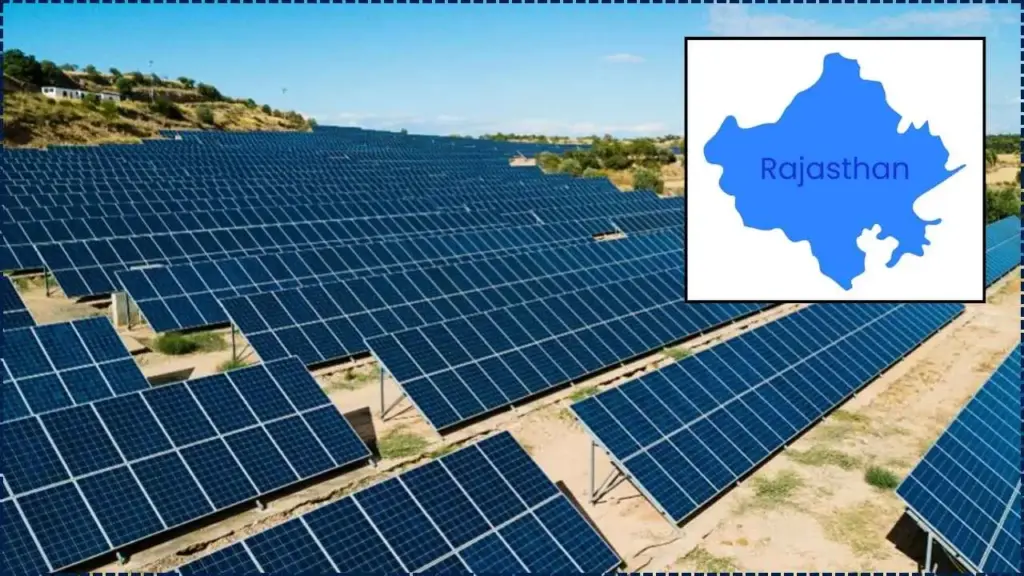
Hybrid inverters are critical components that combine solar power generation with energy storage. They allow users to store excess solar energy for later use, reducing grid dependence and improving energy resilience. The move aligns with Rajasthan’s broader goals of accelerating renewable energy adoption and increasing energy independence in the state.
This development not only promotes solar energy but also encourages sustainable practices across Rajasthan, helping the state further align with India’s goal of achieving 500 GW of non-fossil energy by 2030.
What are Hybrid Inverters and Why are They Crucial for Solar+Storage Integration?
Hybrid Inverters: A New Era for Solar Energy
A hybrid inverter is a vital piece of technology that allows solar systems to interact with battery storage and the electric grid. It converts DC (Direct Current) generated by solar panels into AC (Alternating Current) for use in homes and businesses while simultaneously managing energy storage.
This technology makes it possible to store excess solar energy in batteries for use when solar generation is low or when electricity prices are high.
Unlike traditional inverters, which simply send excess solar power back to the grid or consume it immediately, hybrid inverters ensure optimized use of solar energy by storing it for later consumption, which is particularly valuable during night-time or during peak demand hours.
Rajasthan’s Renewable Energy Goals and Hybrid Inverters’ Role
Rajasthan’s Solar Energy Expansion
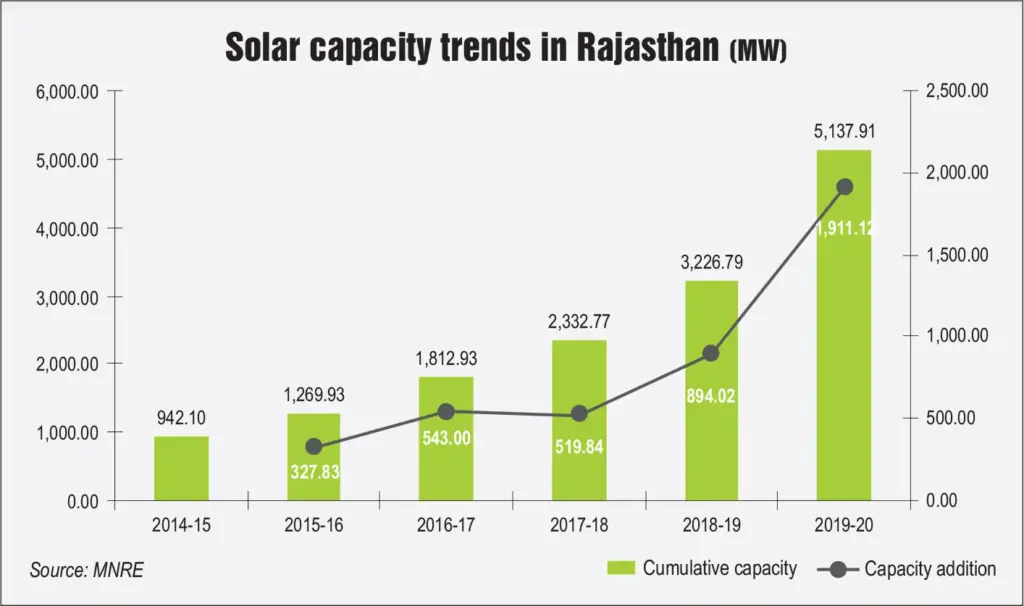
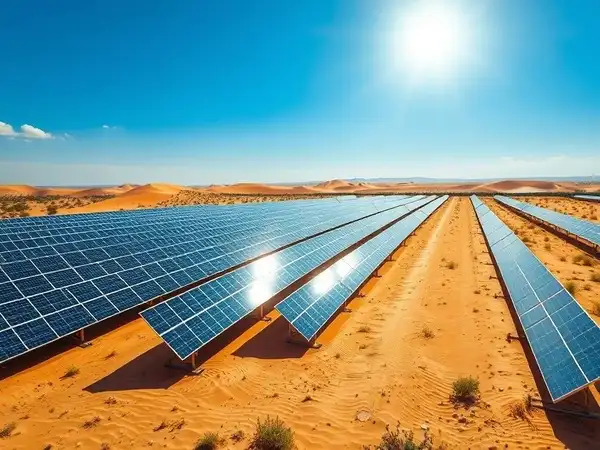
Rajasthan has become a leader in India’s solar revolution, thanks to its vast land area, abundant sunlight, and supportive government policies. As of 2025, the state’s total installed solar capacity exceeds 15 GW, and it is expected to add 10 GW more by 2026.
The state has also been quick to adopt distributed solar energy systems, such as rooftop solar panels, to decentralize its energy production and reduce pressure on the traditional grid.
JVVNL’s decision to approve hybrid inverters for solar+storage integration is an important step in making this distributed model more reliable and efficient. With storage solutions, homeowners and businesses can maximize their self-consumption of solar energy, even at night.
Policy Support and the PM Solar Ghar Yojana
The Rajasthan government has been instrumental in pushing renewable energy adoption, offering subsidies and financial incentives to encourage the use of solar power. The PM Solar Ghar Yojana, a national scheme, offers incentives for residential rooftop solar installations.
Hybrid inverters, which can help integrate battery storage, align well with these existing programs and provide a reliable solution for those looking to reduce their dependency on the grid while simultaneously enhancing energy storage capacity.
Global Trends: Rajasthan’s Move in the Context of Worldwide Solar+Storage Growth
Hybrid Inverters and Global Trends
India’s move to integrate solar generation with storage systems mirrors trends seen in other parts of the world. Countries like Germany, the United States, and Australia have already seen widespread adoption of hybrid inverters.
In Germany, for instance, hybrid inverters play a key role in solar+storage systems, especially in urban areas where space is limited. These systems are also growing rapidly in Australia and California, where consumers seek greater energy independence and lower reliance on traditional utilities.
सोलर सेक्टर में बढ़ रहा चीन, 2030 तक दोगुनी होगी चीन की सोलर क्षमता, नई टेक्नोलॉजी कर रहा ईजाद
Rajasthan’s policy shift further solidifies its standing as a progressive leader in India’s renewable energy transition. It supports both the residential sector (with rooftop solar) and the commercial sector (with larger storage-integrated systems), making it an attractive hub for sustainability-focused investment.
Why Hybrid Inverters Are Vital for Grid Stability
Grid Resilience and Peak Load Management
One of the key benefits of integrating hybrid inverters with solar systems is the enhancement of grid stability. By storing excess solar energy, these systems can release energy during peak demand periods when grid power is most needed, thus reducing the load on the grid and helping balance supply and demand.
For Rajasthan, where peak demand often outstrips supply during hot summer months, this will be a crucial feature. The ability to store solar power and release it when needed helps mitigate grid stress and allows for smoother operations, especially in rural areas where the grid is weaker.
Benefits Beyond Residential Installations
Empowering Industrial and Commercial Sectors
Hybrid inverters will also have a far-reaching impact on commercial and industrial energy users in Rajasthan. For industries with high electricity consumption, solar+storage solutions can drastically reduce energy costs. These users can use stored energy during peak demand hours, avoiding high electricity tariffs while benefiting from sustainability incentives.
Moreover, industries using solar-powered storage systems will be able to reduce their carbon footprints, aligning with national and international sustainability goals.
Businesses that adopt solar+storage solutions are likely to benefit from corporate social responsibility (CSR) recognition as they contribute to clean energy goals and environmental stewardship.
Challenges Ahead: Cost and Grid Modernization
Cost of Battery Storage
While hybrid inverters promise significant advantages, the cost of battery storage remains a key barrier for widespread adoption. Despite falling prices for solar panels, the upfront investment for solar+storage systems can still be high, especially for residential customers.
The high cost of batteries remains one of the main factors preventing more widespread deployment, although prices are expected to decrease over time.
Incentive schemes, such as subsidies for batteries and financing options for solar+storage systems, are essential to overcome this challenge.
सोलर पैनल से अब डेटा ट्रांसफर भी होगा! इन क्षेत्रों में इंटरनेट कनेक्टिविटी होगी पहले से बेहतर
Grid Infrastructure Upgrades
Rajasthan will also need to upgrade its grid infrastructure to support the growing number of distributed energy resources (DERs). As more consumers install solar-plus-storage systems, the local grid will need to be capable of handling a two-way flow of electricity, where both consumers and utilities exchange power.
Upgrades in grid management and advanced metering will be required to ensure that solar energy and battery storage can be integrated without causing disruptions to power delivery.
Related Links
Solar Revolution: India Hits Record 7.1 GW Rooftop Capacity in 2025
A Greener, More Resilient Energy Future for Rajasthan
The approval of hybrid inverters for rooftop solar systems in Rajasthan is a milestone in the state’s renewable energy journey. This decision will not only drive solar+storage integration but will also enhance grid resilience, reduce peak load stress, and improve energy efficiency for consumers.
By providing a robust solution for energy storage, Rajasthan is solidifying its position as a leader in India’s clean energy revolution.
With continued policy support, technological advancement, and investment in grid modernization, hybrid inverters will enable Rajasthan to achieve its renewable energy goals and contribute to a greener, more sustainable energy future for India.
FAQs
Q: What is a hybrid inverter?
A hybrid inverter allows integration of solar power generation with battery storage, enabling users to store excess solar energy and use it when needed, reducing reliance on the grid.
Q: How will hybrid inverters benefit Rajasthan?
Hybrid inverters will enhance grid stability, reduce peak demand stress, and increase energy independence by enabling consumers to store and manage their solar energy effectively.