

For the first time, solar power has generated more electricity than wind energy in China, marking a significant shift in the world’s largest electricity system. Official statistics released in early 2026 show that annual solar generation surpassed wind output in 2025, reflecting years of rapid photovoltaic expansion under Beijing’s climate and industrial strategy.
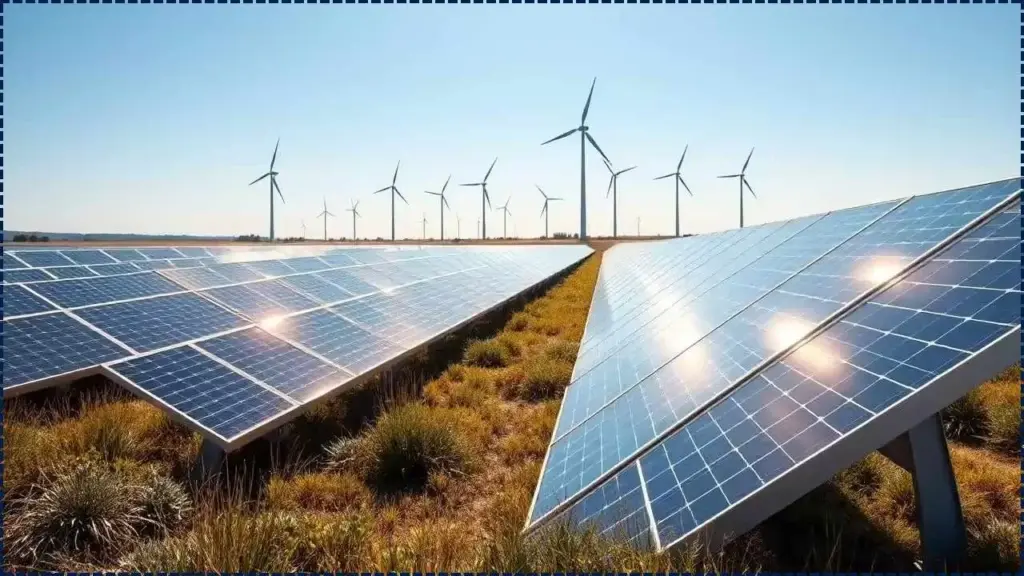
The Solar Power Overtakes Wind milestone underscores the accelerating role of solar in China’s renewable portfolio and signals broader structural change in the country’s energy transition.
Solar Power Overtakes Wind
| Key Fact | Detail |
|---|---|
| Solar Generation (2025) | ~1.17 million GWh |
| Wind Generation (2025) | ~1.13 million GWh |
| Combined Wind & Solar Capacity | ~1.84 billion kW installed |
| Carbon Neutrality Target | 2060 |
Solar Power Overtakes Wind: Solar Power Overtakes Wind in China’s Energy Mix
The Solar Power Overtakes Wind — solar overtaking wind in total annual electricity generation — marks a symbolic and practical milestone.
According to Bloomberg, citing official Chinese energy data, solar output increased by roughly 40 percent in 2025 compared with the previous year. Wind generation rose by approximately 13 percent during the same period.
The faster growth in solar generation reflects continued expansion of photovoltaic capacity and declining module costs.
Li Wei, an energy systems analyst at Tsinghua University, said during a policy forum in Beijing, “Solar installations have accelerated at an unprecedented pace. Wind continues to grow, but photovoltaics are scaling more rapidly across multiple provinces.”
Capacity vs. Generation: Understanding the Difference
Installed capacity does not always translate directly into electricity generation. Solar and wind technologies operate at different capacity factors, meaning the percentage of time they generate at full output varies.
Wind farms, particularly in coastal and northern regions, typically operate at higher average capacity factors than solar installations. However, the sheer scale of China’s solar build-out has compensated for this difference.
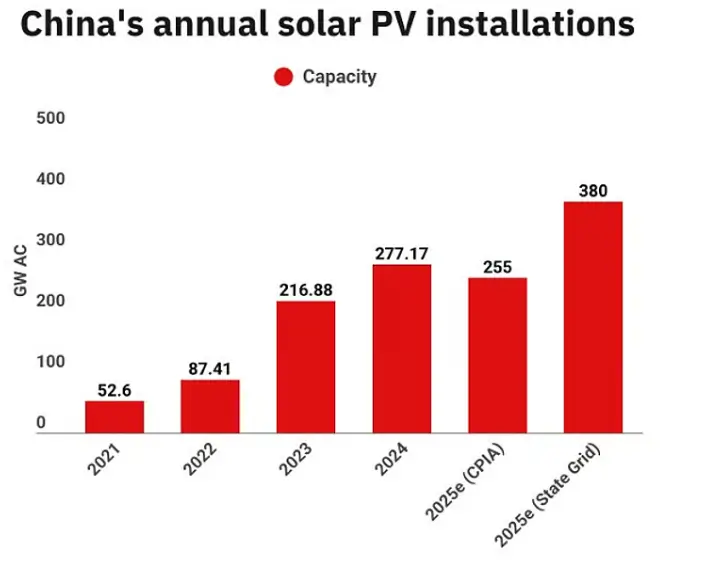
By the end of 2025, China’s total solar capacity exceeded 1,100 gigawatts (GW), making it the first country to surpass the one-terawatt threshold in photovoltaics.
Wind capacity remains substantial, including both onshore and offshore installations, but annual solar additions have outpaced wind growth in recent years.
Why Solar Is Expanding Faster Than Wind
Manufacturing Dominance and Cost Declines
China leads global solar manufacturing. According to the International Energy Agency (IEA), it produces most of the world’s solar wafers, cells, and modules.
Economies of scale and supply chain integration have driven module prices down significantly over the past decade. “Solar economics have shifted decisively,” said Dr. Emily Chen, senior fellow at the Asia Energy Institute. “Module costs and installation timelines favor photovoltaic expansion.”
Wind remains competitive, but offshore wind projects require longer development cycles and higher capital expenditures.
Distributed Solar Boom
In addition to large solar bases in desert regions, rooftop installations in cities and industrial parks have expanded rapidly. Distributed solar allows electricity to be consumed close to generation points, reducing transmission losses.
Regional Patterns and Transmission Infrastructure
Most large-scale solar farms are concentrated in northern and western provinces such as Gansu, Qinghai, and Inner Mongolia. Wind development is similarly concentrated in resource-rich regions.
China has invested heavily in ultra-high-voltage (UHV) transmission corridors to move renewable electricity from remote areas to coastal demand centers.
The State Grid Corporation of China reports that UHV lines have improved renewable dispatch efficiency and reduced bottlenecks.

Curtailment and Grid Balancing
Curtailment — the reduction of renewable output due to grid constraints — has historically affected both wind and solar. According to official statistics, curtailment rates have declined in recent years due to improved grid planning and market reforms.
However, midday solar surpluses and evening demand peaks remain operational challenges. Energy storage expansion is increasingly viewed as essential to integrating higher renewable shares.
Battery Storage and Flexibility
China has accelerated deployment of grid-scale lithium-ion batteries and pumped hydro storage. The National Energy Administration (NEA) has outlined targets for expanding new-type energy storage systems to enhance grid flexibility.
Storage supports solar integration by shifting excess daytime production to peak evening hours.
Dr. Michael O’Sullivan, an energy policy researcher at Georgetown University, said during a public forum, “Solar overtaking wind is part of a broader integration story. Flexibility investments determine whether renewable growth translates into coal displacement.”
Coal’s Continued Role
Despite renewable growth, coal remains the backbone of China’s electricity supply. The National Bureau of Statistics reports that coal-fired plants still account for more than half of total generation.
Electricity demand continues to rise, particularly from industrial sectors and data centers. Some analysts argue that renewable expansion has not yet resulted in absolute reductions in coal generation due to overall demand growth.
Government officials maintain that coal capacity ensures grid reliability during peak loads and low renewable output.
Market Reforms and Pricing Signals
China’s electricity market reforms aim to improve dispatch efficiency and encourage renewable integration. Spot markets in several provinces allow for more dynamic pricing.
Reforms also seek to reduce priority dispatch for coal and increase renewable participation. Energy economists note that market signals will play an increasing role in shaping future generation mix trends.
Economic and Industrial Implications
China’s renewable build-out supports domestic employment across manufacturing, construction, and maintenance sectors.
However, intense competition and oversupply in photovoltaic manufacturing have compressed profit margins. Trade tensions have emerged as other countries impose tariffs or investigate supply chain practices.
According to the U.S. Department of Commerce, solar trade policy has become central to clean energy geopolitics.
Climate Impact and Emissions
Solar and wind generation produce no direct operational emissions. The International Renewable Energy Agency (IRENA) emphasizes that scaling renewables is critical to limiting global temperature rise.
China’s renewable growth plays a significant role in global emissions trends due to its economic scale. Yet lifecycle emissions from manufacturing and infrastructure must be considered in long-term climate accounting.
Global Context
China’s energy decisions influence global markets for coal, liquefied natural gas, and renewable equipment. Solar investment globally has surpassed wind investment in recent years, according to IEA reports.
European and U.S. renewable expansion strategies are partly shaped by competition with Chinese industrial output. The Solar Power Overtakes Wind milestone reinforces China’s central role in global renewable supply chains.
Related Links
Outlook to 2030
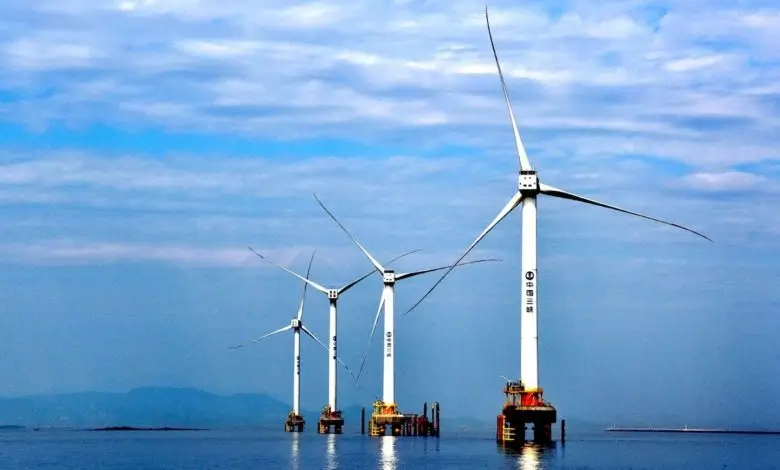
Analysts expect continued rapid solar growth under China’s carbon neutrality roadmap. Wind installations are also projected to expand, particularly offshore projects along eastern coasts.
Whether solar maintains its lead over wind will depend on installation rates, capacity factors, grid flexibility, and policy incentives.
Dr. Chen noted, “The competition between wind and solar is less important than the broader decarbonization trajectory. Both are central to China’s long-term energy security.”
Solar power overtaking wind in China’s energy mix marks a notable shift in renewable leadership within the country’s electricity system. While coal remains dominant overall, the rapid expansion of photovoltaic generation reflects structural change.
As China pursues its 2030 emissions peak and 2060 carbon neutrality target, the pace of renewable deployment — and the ability to integrate it effectively — will shape both domestic and global energy futures.