Cuba is expanding solar generation under its Solar Power is Solving Cuba’s Energy Crisis strategy as the country confronts recurring blackouts, fuel shortages, and economic strain linked to aging infrastructure and long-standing U.S. sanctions. Officials say renewable energy, especially solar power, is now central to stabilizing the national grid and reducing dependence on imported oil.
The initiative follows nationwide outages in 2024 and 2025 that exposed weaknesses in Cuba’s electricity system. Authorities describe solar development as both an emergency response and a long-term energy security measure.
Solar Power is Solving Cuba’s Energy Crisis
| Key Fact | Detail |
|---|---|
| Major Blackouts | Nationwide grid failures reported in 2024 |
| Electricity Mix | Majority generated by oil-fired thermoelectric plants |
| Renewable Target | Government plans major solar expansion before 2030 |
| Key Challenge | Aging infrastructure and limited fuel imports |
Solar Power is Solving Cuba’s Energy Crisis and the Structure of Cuba’s Energy System
Cuba’s electricity system relies heavily on thermoelectric plants fueled by imported oil and domestic crude. Many of these facilities were built in the 1970s and 1980s. Maintenance delays and limited access to spare parts have reduced operational capacity.
According to reporting by Reuters and the Associated Press, mechanical failures at major plants, including the Antonio Guiteras facility in Matanzas, have triggered rolling blackouts lasting several hours per day in some provinces.
Energy analysts say the grid’s vulnerability stems from concentrated generation and limited redundancy. “Cuba’s power plants are old and fuel-dependent,” said Jorge Piñón, senior research fellow at the University of Texas at Austin’s Energy Institute, in interviews with international media. “When fuel shipments decline or equipment fails, the system struggles to compensate.”
In October 2024, a widespread outage disrupted services across the island. Hospitals operated on backup generators. Public transportation slowed. Small businesses closed early.
Sanctions, Fuel Supply, and KW2 Energy Security
Cuba has historically relied on oil imports, particularly from Venezuela. Declining Venezuelan output and financial constraints have reduced those deliveries in recent years.
The U.S. government maintains that its sanctions target the Cuban state and allow humanitarian trade. Cuban officials argue that restrictions complicate fuel purchases, equipment imports, and access to international financing.
The International Energy Agency (IEA) notes that import-dependent island systems are especially vulnerable to price shocks and supply disruptions. Cuba’s KW2 energy security challenge is therefore both geopolitical and structural.
Independent economists emphasize that domestic economic inefficiencies also contribute to the crisis. Limited foreign currency reserves restrict the government’s ability to secure stable fuel contracts.
Solar Expansion Under the Solar Power is Solving Cuba’s Energy Crisis Plan
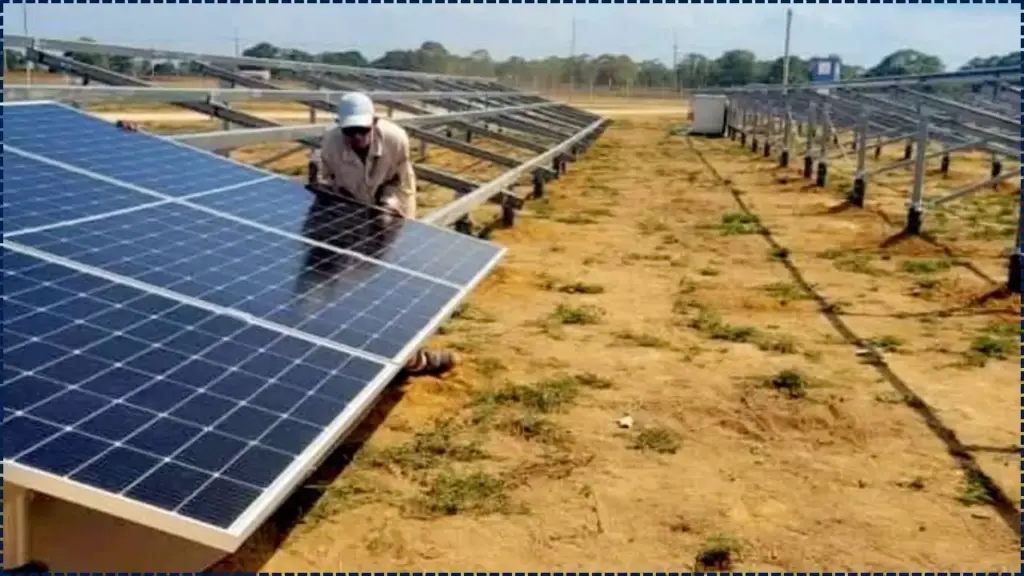
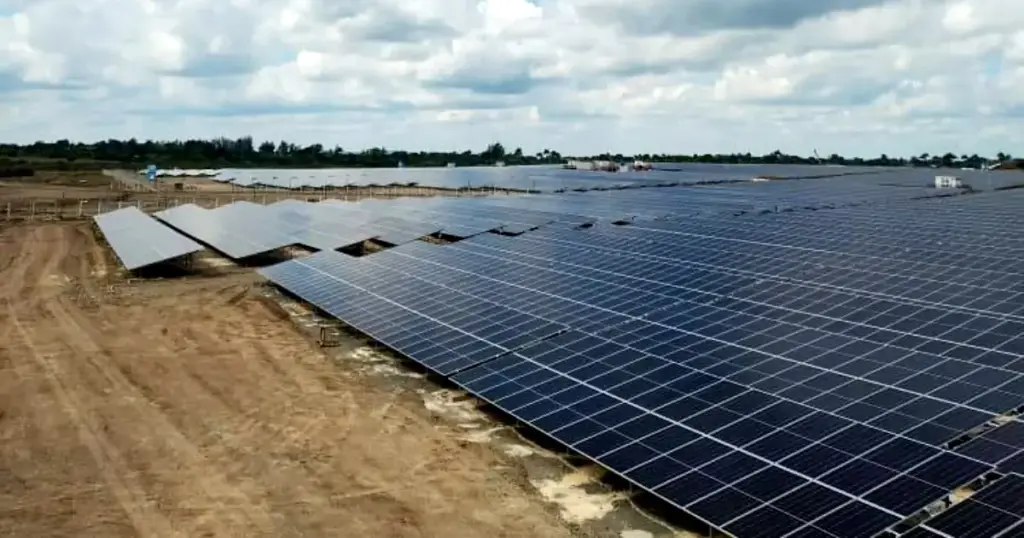
The Solar Power is Solving Cuba’s Energy Crisis initiative seeks to reduce reliance on fossil fuels by accelerating photovoltaic installations. Officials from the Ministry of Energy and Mines have announced new solar parks across provinces including Holguín, Camagüey, and Villa Clara.
State media report that dozens of photovoltaic facilities are under development. The government aims to significantly increase solar capacity before 2030, though precise timelines remain fluid.
Chinese firms have provided solar panels and technical support under bilateral agreements, according to Reuters coverage. These partnerships reflect broader economic cooperation between Havana and Beijing.
Energy Minister Vicente de la O Levy said during a televised address that renewable expansion “strengthens national sovereignty and reduces vulnerability to fuel shortages.”
KW3 Renewable Investment and Grid Modernization
Expanding solar capacity addresses only part of the challenge. Cuba’s transmission network experiences losses due to outdated lines and substations.
The International Renewable Energy Agency (IRENA) has stated that grid upgrades and energy storage are critical for island states integrating high levels of solar generation.
यूपी में PM SURYA GHAR YOJANA के माध्यम से लगेंगे 25 लाख घर में सोलर पैनल, नागरिकों को मिलेगी राहत
“Generation is increasing, but modernization must follow,” said Ramón Pichs-Madruga of the Center for World Economy Studies in Havana at a regional energy forum. “Otherwise, technical losses will offset gains.”
Battery storage capacity remains limited. Without sufficient storage, solar generation primarily offsets daytime demand, while thermal plants continue supplying evening peaks.
Distributed Solar and Household Resilience
Beyond large solar parks, rooftop systems are increasingly visible in Havana and other urban areas. Small businesses, especially in tourism and hospitality, have installed panels to maintain refrigeration, lighting, and internet connectivity during outages.
Interviews conducted by the Associated Press indicate that some households use remittances from abroad to purchase photovoltaic systems. However, access remains uneven due to high upfront costs.
Government programs offer limited tax incentives for renewable installations, but supply shortages persist. Solar equipment is often priced in foreign currency, making it inaccessible to many families.
Energy policy researchers note that distributed solar enhances resilience but does not eliminate systemic vulnerabilities tied to generation and financing constraints.
Economic Implications and Employment
Cuba’s energy transition also carries economic implications. Solar projects create construction and maintenance jobs, though far fewer than traditional energy sectors.
Economists say renewable development can reduce long-term fuel import costs, easing pressure on national budgets. However, initial capital expenditures are significant.
The World Bank has highlighted that renewable investments in small economies require stable regulatory frameworks and access to affordable financing. Cuba’s financial isolation complicates those efforts.
KW4 Climate Commitments and Regional Comparison
Cuba has pledged to increase the share of renewables in its electricity mix under its Nationally Determined Contribution to the Paris Agreement. While the country’s emissions are small compared with major industrial economies, oil dependence contributes to greenhouse gas output.
Across the Caribbean, nations including the Dominican Republic and Jamaica have also expanded solar and wind generation to reduce fuel import exposure.
The United Nations Development Programme (UNDP) has emphasized that renewable energy improves both climate resilience and economic stability in small island states.
Political Debate and International Perspectives
The role of sanctions remains contested. U.S. officials argue that internal economic reform is essential for attracting foreign investment and improving efficiency. Cuban authorities contend that financial restrictions limit modernization efforts.
Policy analysts at the Council on Foreign Relations note that both internal policy constraints and external sanctions shape Cuba’s economic performance.
Despite political tensions, renewable energy development continues. The Solar Power is Solving Cuba’s Energy Crisis narrative has become a central element of official energy strategy.
Related Links
A Boon for Farmers! How Solar Cold Storage is Doubling Income and Slashing Waste
Frozen Energy: How Canada is Harvesting Solar Power in Arctic Extremes
What Remains Unresolved
Experts caution that solar expansion alone cannot eliminate blackouts in the short term. Thermal plants still provide a substantial share of electricity.
Grid resilience depends on diversified generation, storage investment, and transmission upgrades. Financing constraints remain significant obstacles. “Transitioning an entire power system takes time,” said Piñón. “Solar helps, but sustainable reform requires structural changes.”
Looking Forward
Cuba plans to continue building photovoltaic parks and expanding rooftop systems over the next decade. Officials describe renewable energy as irreversible policy direction.
While uncertainty remains around fuel supplies and financing, solar power now plays a measurable role in easing daytime shortages.
As panels expand across rooftops and open fields, Cuba’s energy system is gradually shifting. The long-term outcome will depend on infrastructure reform, economic stabilization, and evolving international relations.