As solar energy technology continues to evolve, homeowners are presented with two compelling options for harnessing the sun’s power: solar shingles and solar panels. Each offers distinct advantages, but also comes with its own set of trade-offs in terms of cost, efficiency, and aesthetics.

This article explores the key differences between these two options, helping consumers make an informed choice about which is right for their needs.
Solar Shingles vs. Solar Panels
| Key Fact | Detail/Statistic |
|---|---|
| Efficiency Comparison | Solar panels typically offer 20–24% efficiency; shingles 15–20%. |
| Installation Time | Solar panels take 1–3 days; shingles often take 7–10 days. |
| Cost Difference | Solar shingles are 60–190% more expensive than solar panels. |
| Lifespan and Durability | Both solar shingles and panels last 25–30 years. |
Solar Shingles vs. Solar Panels: An Overview
Solar energy technology has made significant strides in recent years, providing consumers with an array of options for powering homes with renewable energy. Among the most prominent options are solar shingles and solar panels. Both utilize photovoltaic (PV) cells to convert sunlight into electricity, but they do so in different ways.
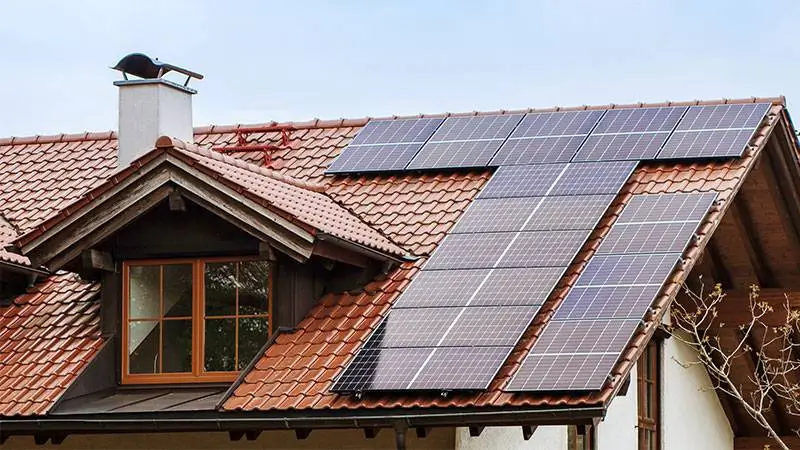
Solar Panels are the more traditional choice. These large, flat modules are typically installed on top of an existing roof. Their primary function is to collect sunlight and convert it into usable electricity for the home. While they are highly efficient and widely used, their visibility on the roof can be a downside for some homeowners concerned with aesthetics.
Solar Shingles, also known as building-integrated photovoltaics (BIPV), are a newer technology designed to integrate seamlessly into a roof, replacing conventional shingles. These shingles are photovoltaic cells themselves, which means they function as both roofing material and a source of electricity generation.
How Solar Panels and Shingles Work
Both solar panels and shingles operate on the same principle: photovoltaic technology. When sunlight hits the cells of these systems, it excites electrons and creates direct current (DC) electricity. This electricity is then converted into alternating current (AC) by an inverter, which powers the home.
Solar Panels
Solar panels are typically made of silicon-based solar cells encased in a glass and aluminum frame. They are mounted on the roof with a rack system, ensuring proper alignment and orientation for maximum efficiency.
Since solar panels are installed on top of an existing roof, they can be added to most homes without needing significant roof modifications.
Solar Shingles
Solar shingles, on the other hand, are designed to mimic traditional roofing materials. Made up of photovoltaic cells embedded in shingles, these units are installed directly onto the roof. While they integrate more seamlessly with the building’s design, their flat profile can lead to higher operational temperatures, which may reduce overall efficiency.
Efficiency and Power Output
One of the most important factors to consider when choosing between solar shingles and panels is their efficiency—how much sunlight they can convert into electricity.
- Solar Panels: Solar panels generally have higher efficiency rates than solar shingles. Most traditional solar panels operate between 20-24% efficiency, with the best performing models reaching up to 24%. This is due in part to their ability to be tilted and adjusted for optimal sunlight exposure and cooling.
- Solar Shingles: Solar shingles typically fall in the 15-20% efficiency range, as they are flush with the roof, limiting airflow beneath the surface and causing higher operating temperatures. Additionally, their integration into the roof structure limits their ability to be adjusted for maximum sun exposure, making them less efficient than panels.
What this means: Homeowners opting for solar shingles might need a larger roof area to achieve the same power output as traditional solar panels.
Installation: Time, Complexity, and Roof Compatibility
The installation process for solar shingles and panels differs significantly, both in terms of time and complexity.

Solar Energy में भारत ने मारी बाजी! जापान को पीछे छोड़ बना तीसरा सबसे बड़ा सौर ऊर्जा उत्पादक देश
Solar Panels
The installation of solar panels is relatively straightforward and can typically be completed in 1-3 days. A qualified installer will mount the panels on a racking system that attaches to the roof, ensuring proper alignment and orientation for maximum efficiency.
Since solar panels are installed on top of an existing roof, they can be added to most homes without needing significant roof modifications.
Solar Shingles
Installing solar shingles is more complex. Because these shingles are integrated into the roof itself, the entire roof must be replaced. This makes the installation time longer—usually 7-10 days—and it requires a team of both roofing experts and solar installers.
While this may add to the overall project time, it can be an attractive option for new homes or those already in need of a roof replacement.
Cost Comparison: The Price of Innovation
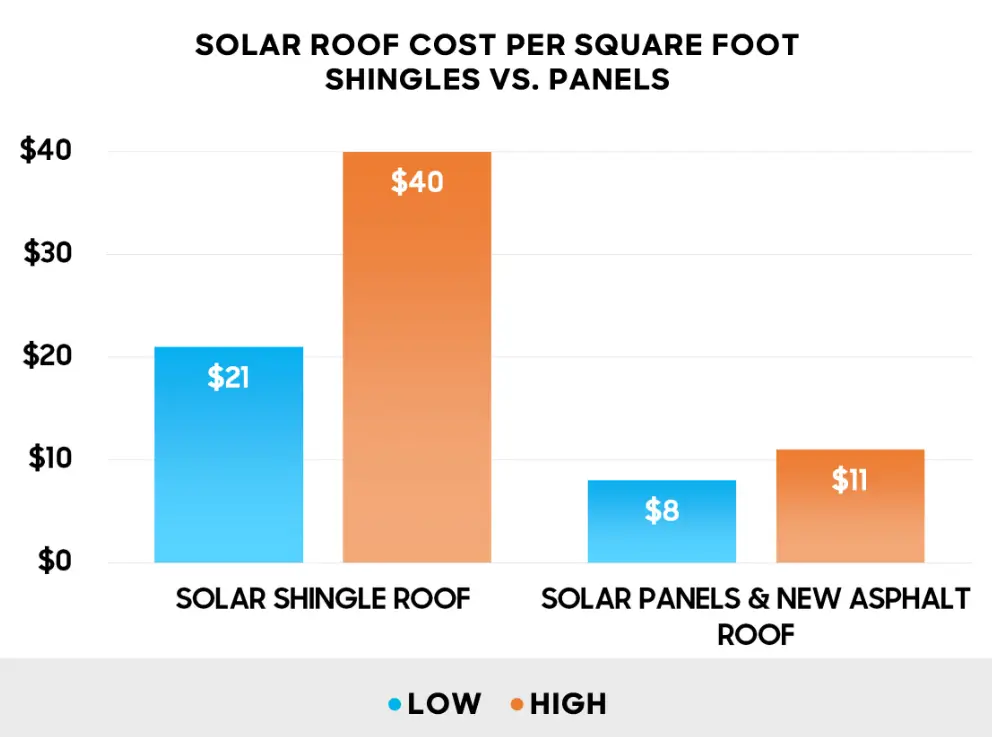
The price difference between solar panels and solar shingles is considerable, with solar shingles being significantly more expensive than solar panels.
- Solar Panels: The cost of solar panels varies based on factors like brand, installation, and location, but the average cost of a typical solar panel system in the U.S. is around $15,000–$25,000 for a 6-7 kW system. After applying tax credits and incentives, this cost can be reduced by about 30%.
- Solar Shingles: Solar shingles are much more expensive, typically costing $60,000–$75,000 for a 6-7 kW system. This higher cost is due to the advanced technology and labor required to integrate the shingles into the roof structure. However, the cost may be offset for homeowners who need a roof replacement anyway, as the shingles can replace traditional roofing materials.
Despite their higher price, solar shingles may increase the value of a home, especially for those seeking a sleek, integrated look that traditional panels cannot provide.
Long-Term Return on Investment (ROI)
Over the long term, both solar panels and shingles can offer substantial savings on energy bills. However, the higher upfront costs of solar shingles mean that their break-even point is typically longer than that of solar panels.
- Solar Panels: Homeowners can typically see a return on investment in 6-10 years, depending on the location, energy usage, and local electricity rates. Given their lower installation cost and higher efficiency, they often provide faster savings compared to shingles.
- Solar Shingles: While solar shingles can offer an ROI, it usually takes 10-15 years to break even due to their higher installation costs. That said, they are ideal for those who need a roof replacement anyway and wish to avoid the additional cost of installing traditional solar panels on top of a new roof.
Geographical Suitability: Where Each Option Excels
The effectiveness of both solar panels and solar shingles can vary based on geographical factors such as sunlight availability, roof angle, and local climate conditions.
- Solar Panels: Panels are most effective in regions with abundant sunlight and where the roof can be tilted to optimize solar exposure. Areas like the southwestern United States, California, and Arizona are ideal for solar panel installations.
- Solar Shingles: Solar shingles, being more integrated into the roof and flatter in design, are more suited for regions where roofing aesthetics matter or for new construction projects. However, they may not be as effective in areas with less sunlight or extreme weather conditions due to their lower efficiency compared to panels.
Aesthetic Appeal: Which Looks Better?
One of the primary reasons homeowners opt for solar shingles over traditional panels is their aesthetic appeal. Solar shingles are designed to blend seamlessly with the roof, offering a clean, low-profile look that doesn’t disrupt the home’s exterior.

This is particularly beneficial for homeowners in areas with strict homeowners association (HOA) guidelines or those who are looking for a more visually appealing solar solution.
On the other hand, solar panels often stand out due to their size and elevated positioning on the roof. While they are available in various colors and styles, they are generally more noticeable than solar shingles, which might be a drawback for those concerned with aesthetics.
Durability and Maintenance
Both solar shingles and panels are designed to be durable, with lifespans of around 25–30 years. They are built to withstand harsh weather conditions, including rain, snow, and wind. However, their maintenance requirements differ.
- Solar Panels: Panels are generally easier to maintain. They have no moving parts and require minimal upkeep, usually just an annual cleaning to remove dirt and debris that might obstruct sunlight. If a panel is damaged, it can typically be replaced individually without affecting the rest of the system.
- Solar Shingles: While solar shingles are similarly durable, maintenance can be more complicated. If one shingle is damaged, it may require replacing the entire section of the roof where it is located. Additionally, as part of the roofing system, shingles may require more frequent inspections to ensure there are no leaks or damage to the roof itself.
Related Links
Speed & Sustainability: The Solar P1 Pro Scooter Offers 50mph Performance at a Competitive Price
End of an Era: Germany Proposes Scrapping Subsidies for Small Rooftop Solar
Which is Right for You?
Choosing between solar shingles and solar panels depends on a variety of factors including cost, efficiency, aesthetics, and the condition of your roof.
- Solar panels are best for homeowners who want a cost-effective, efficient solution and are not overly concerned with the visual appearance of their roof.
- Solar shingles are ideal for those who need a roof replacement, value aesthetics, or want an integrated solution that blends seamlessly with their home’s design.
Ultimately, both technologies offer significant benefits in reducing energy bills and contributing to a more sustainable future. Understanding the differences in performance, cost, and installation can help homeowners make the right choice for their needs.