
In recent years, homeowners have been turning to Tier-1 solar panels for affordable, reliable energy solutions. However, as temperatures rise in hot climates, these cheaper panels often fail to meet expectations.
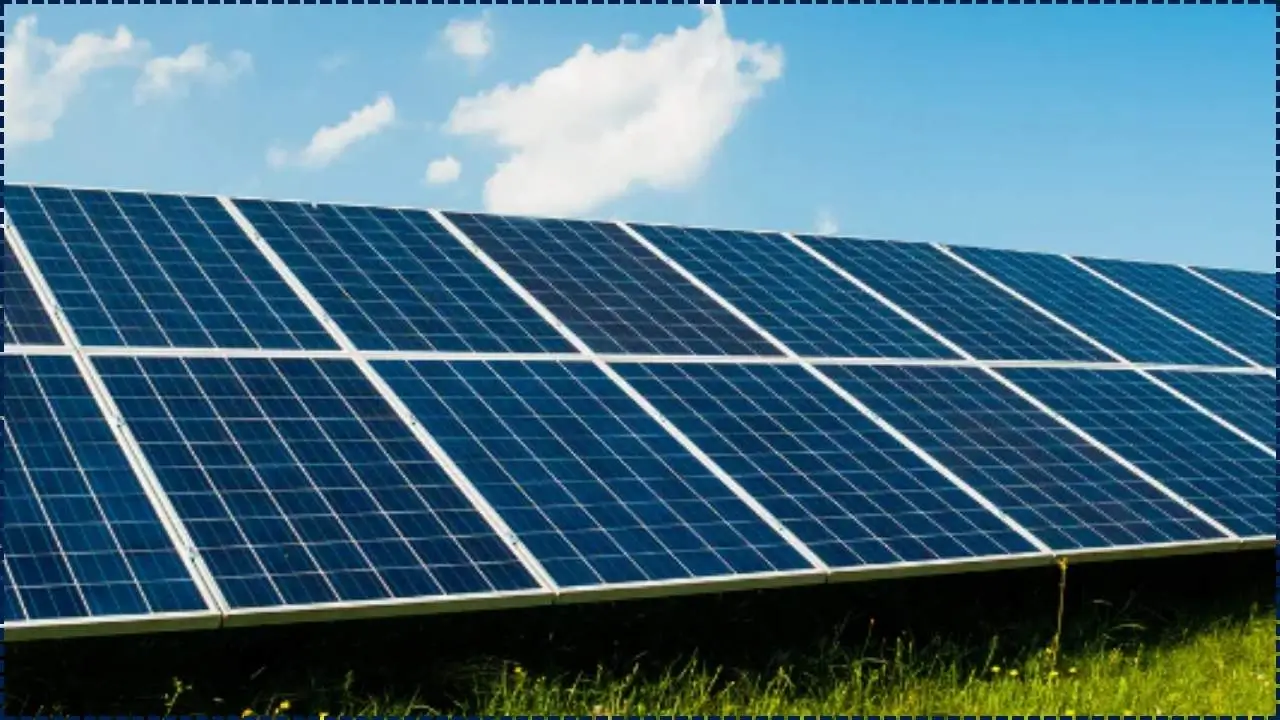
The so-called “10-year trap” explains why many of these solar systems degrade prematurely, leaving homeowners with unexpected costs and diminishing returns on their investment.
The 10-Year Trap
| Key Fact | Detail |
|---|---|
| Prevalence of Tier-1 Solar Panels | Tier-1 solar panels are widely sold for their affordability and reliability. |
| Degradation in Hot Climates | Higher ambient temperatures increase the rate of panel degradation, sometimes up to 1% annually. |
| Hidden Costs of Cheap Panels | The initial low cost is offset by the need for more frequent repairs or replacements. |
| Micro-Cracks and Delamination | Inferior materials contribute to early failures in cheaper panels. |
| Warranty Fine Print | Many warranties only guarantee a linear decrease in output, not sudden failures. |
The Rise of ‘Tier-1’ Solar Panels
Solar power has become an increasingly popular choice for homeowners looking to reduce energy costs and contribute to a greener environment. For many, the appeal of Tier-1 solar panels lies in their perceived balance of quality and affordability.
These panels, made by well-known manufacturers, are often marketed as reliable and long-lasting, making them the top choice for budget-conscious consumers.
However, as these systems are installed in regions with high temperatures—such as parts of the Southwest United States, the Middle East, and Australia—many homeowners are finding that their solar panels degrade more quickly than expected. This premature failure has led to what some industry experts are calling the “10-Year Trap”.
Why Heat Accelerates Panel Degradation
Most solar panels are designed to operate optimally in moderate temperatures, with the standard test conditions often set at 25°C (77°F). However, in regions experiencing intense heat, these systems can quickly exceed temperatures of 60°C (140°F) on hot days, leading to a decrease in efficiency.
In fact, for every degree above 25°C, a panel’s output can drop by up to 0.5%. This phenomenon, known as the “temperature coefficient,” makes panels in high-heat areas much less efficient.
A report from the International Renewable Energy Agency (IRENA) explains that when solar panels operate above their optimal temperature, the materials they are made from begin to break down more rapidly. This includes the encapsulant, a plastic layer that protects the solar cells.
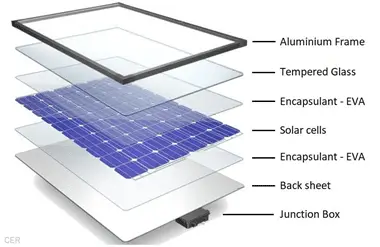
In cheap panels, this degradation is often accelerated due to lower-quality materials, resulting in micro-cracks and delamination that impair the panel’s overall performance.
The Role of Inferior Materials in Cheap Solar Panels
While the Tier-1 label indicates financial stability for solar manufacturers, it does not guarantee superior quality. Lower-cost panels often use subpar solder joints, inferior junction boxes, and low-grade encapsulant. These factors contribute to higher rates of panel degradation, particularly under extreme environmental stress.
Dr. Anya Sharma, a renewable energy expert at the Brookings Institution, notes, “Even though Tier-1 panels may perform well in controlled conditions, their real-world performance, particularly in extreme heat, is often significantly lower than expected.
The cost-saving measures taken in cheaper panels—such as lower-quality components—may not be noticeable in the short term, but they show up over time.”
What the Numbers Say About Solar Panel Lifespan
According to a study by the National Renewable Energy Laboratory (NREL), solar panel degradation rates in the United States are typically around 0.5% per year under moderate conditions. However, in areas with prolonged heat exposure, these rates can be much higher.
For homeowners in hot zones, panels that were expected to last 25 years may instead begin showing significant signs of wear and tear within 10 years.
PM Surya Ghar Yojana में बड़ा बदलाव! अब इन उपभोक्ताओं से नहीं लिया जाएगा आवेदन शुल्क और मीटर चार्ज
While many manufacturers offer warranties that last for 20-25 years, they usually cover only a linear decrease in performance, meaning that even if a panel’s output is significantly reduced, it may still technically be covered.
This can leave homeowners with diminished returns on their investment. Additionally, some cheaper brands are less reliable when it comes to warranty fulfillment, often resulting in long delays or inadequate replacements.
The Hidden Costs of Low-Cost Panels
While the upfront cost of Tier-1 panels is significantly lower than premium models, the long-term financial implications can be far higher. Homeowners who install cheaper solar systems in high-heat regions often find themselves paying for repairs, replacements, and maintenance much earlier than anticipated.
In some cases, the cost of replacing degraded panels can far exceed the initial savings. For example, a typical 10-panel solar array can cost between $10,000 and $12,000 to install, depending on location and the brand of panels used.
However, replacing panels that have prematurely degraded could cost upwards of $5,000 for a similar system—essentially rendering the original investment a sunk cost.
The Environmental Impact: More Waste, More Costs
The environmental impact of solar panel degradation is another often overlooked consequence of cheap solar panels. As panels degrade, they not only fail to generate the promised energy but also contribute to electronic waste.
Solar panels contain hazardous materials, such as cadmium and silicon, that can be harmful if not disposed of properly. Research from the United Nations Environment Programme (UNEP) highlights the growing challenge of solar panel recycling. With millions of panels expected to reach the end of their useful life in the coming decades, the need for effective recycling solutions is becoming urgent.
Homeowners with cheap solar panels may inadvertently add to this growing waste problem as they replace deteriorating systems more frequently.
Impact on Homeowners and the Solar Industry
The premature failure of low-cost solar panels has serious consequences for homeowners, particularly those in areas like Arizona, Nevada, and parts of Southern California, where temperatures can reach above 100°F (38°C) for prolonged periods.
किसानों के लिए बढ़िया विकल्प! बिजली कनेक्शन की जगह लगवाएं सोलर सिस्टम फायदे और प्रोसेस जानिए
Many of these homeowners were attracted to solar power for its promise of long-term savings, but the reality of their investment has fallen short.
“We were excited about the savings we would see from solar, but after just eight years, our panels stopped producing the amount of energy they used to,” said Maria Lopez, a homeowner in Phoenix, Arizona. “Now we’re facing the possibility of having to replace them much sooner than we ever imagined.”
The issue also raises questions about the broader sustainability of the solar industry. As solar energy adoption continues to grow worldwide, especially in sun-rich regions, the industry must grapple with ensuring the quality and durability of its products.
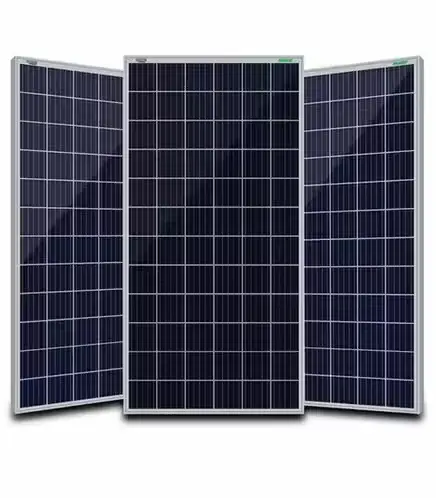
The longer-term reliability of solar panels in high-heat zones will be critical to maintaining the trust of homeowners and encouraging the continued growth of the renewable energy sector.
Related Links
Solar Biohybrids: A 94% Efficient Solution for Nuclear-Tainted Water
Power Security: Why Preppers are Swapping Gas Generators for Solar Reliability
Solar Panels in High-Heat Zones
The 10-Year Trap serves as a cautionary tale for homeowners and solar energy enthusiasts alike. While cheaper Tier-1 solar panels may seem like an appealing choice at first, their long-term performance in high-heat zones can significantly undermine the financial and environmental benefits that solar power promises.
As the solar industry matures, it will need to balance cost-effectiveness with durability, particularly for systems that will be exposed to harsh environmental conditions.
For homeowners, it is critical to consider the full cost of ownership—not just the upfront cost—when choosing a solar system. More expensive panels may be the better long-term investment, as they tend to perform better and last longer under extreme conditions.
Recommendations for Homeowners in High-Heat Areas
- Prioritize High-Quality Panels: Invest in panels that are tested and rated for high-temperature performance, even if they cost more upfront.
- Check Warranty Details: Understand the specifics of the warranty, especially regarding degradation rates and the manufacturer’s commitment to repairs.
- Regular Maintenance: Ensure that your solar system is regularly inspected for micro-cracks, delamination, and other issues that may arise under heat stress.
- Plan for Future Replacements: Recognize that cheaper panels may need to be replaced earlier, leading to additional costs.