Tesla’s newest generation of integrated solar roof tiles—often described as Solar Shingles 2.0—is drawing renewed interest from homeowners and energy analysts. Improvements in manufacturing, installation, and supply chains have reduced costs and simplified deployment.
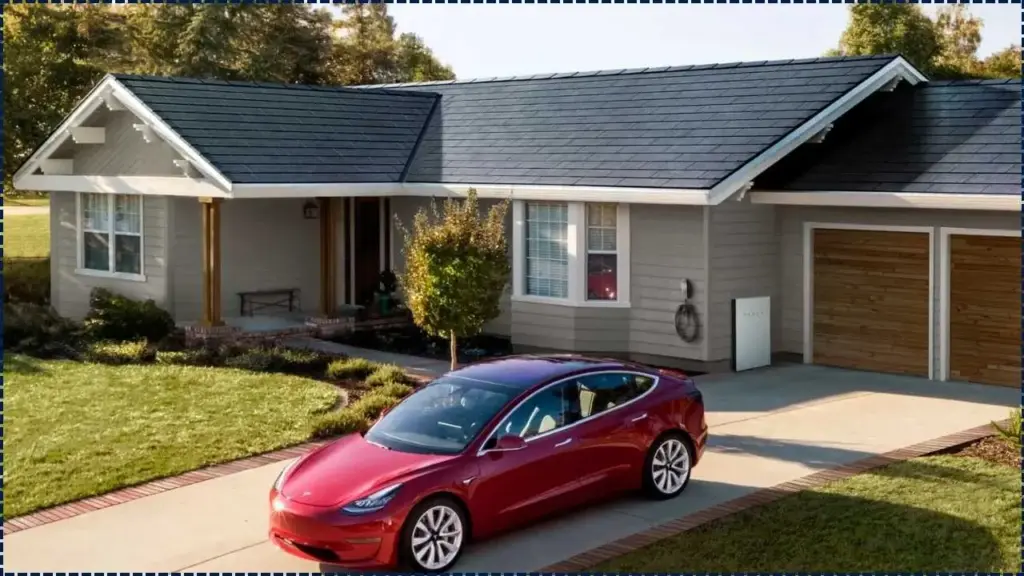
In some scenarios, especially when a roof already needs replacement, the integrated system may rival or even cost less than installing asphalt shingles plus separate solar panels.
Solar Shingles 2.0
| Key Fact | Detail / Statistic |
|---|---|
| Solar market growth | Solar is the fastest-growing electricity source globally |
| Solar tax credit | U.S. federal tax credit covers 30% of installation cost through 2032 |
| Roof lifespan | Solar roof tiles designed to last several decades |
| BIPV growth | Building-integrated photovoltaics expected to grow rapidly by 2030 |
The Rise of Solar Shingles 2.0 Solar Shingles 2.0
The concept behind Solar Shingles 2.0 is simple but transformative: combine roofing materials and solar generation into a single integrated system. Traditional rooftop solar installations involve mounting panels above existing roofing materials. Solar shingles, however, replace the roof itself while generating electricity.
The technology belongs to a broader category known as building-integrated photovoltaics (BIPV). These systems embed solar cells directly into construction materials such as roofs, windows, or building facades.
“Buildings themselves can become energy generators,” said Dr. Jeffrey Spies, president of the Solar Energy Industries Association (SEIA). “Solar roofing is one of the most visible examples of that transition.”
Tesla introduced its solar roof concept in 2016 following its acquisition of SolarCity, once the largest residential solar installer in the United States. Early versions of the system were expensive and difficult to install. Tesla has since redesigned the product to simplify manufacturing and installation.
Global Context: Why Solar Roofing Matters Now
The global solar industry has expanded rapidly over the past decade.
According to the International Energy Agency (IEA), solar power is now the fastest-growing source of electricity generation worldwide. Governments are accelerating solar deployment as part of efforts to reduce greenhouse gas emissions.
However, widespread solar adoption also requires integrating renewable technology into everyday infrastructure. Buildings represent a major opportunity.
The International Renewable Energy Agency (IRENA) estimates that buildings account for nearly one-third of global energy consumption. Integrating solar power directly into building materials could therefore play a key role in expanding renewable energy.
How Tesla’s Solar Roof Technology Works
Tesla’s solar roof replaces traditional roofing materials with tempered glass tiles embedded with photovoltaic cells.
Each installation includes two types of tiles:
- Active solar tiles, which generate electricity
- Inactive tiles, which maintain roof coverage and visual consistency
These tiles connect to a home energy system that converts sunlight into usable electricity. The system can also integrate with Tesla’s Powerwall battery, allowing homeowners to store excess energy generated during the day.
According to the National Renewable Energy Laboratory (NREL), distributed solar generation combined with home battery systems can increase household energy independence and grid resilience.
How Solar Shingles 2.0 Became Cheaper
Early versions of solar roof technology struggled with high costs. Several changes have helped reduce those costs.
Manufacturing Automation
Tesla has expanded automated manufacturing of solar roof tiles. Automation reduces labor costs and improves production efficiency.
Installation Standardization
Earlier installations required extensive customization. Tesla redesigned its installation process to simplify roof layouts and reduce labor time.
Supply Chain Improvements
Global solar manufacturing capacity has expanded significantly over the past decade. Larger supply chains for photovoltaic materials have lowered component costs.
“Solar module costs have fallen dramatically in the past decade,” said Dr. Ben Gallagher, an energy researcher at NREL. “Those reductions eventually affect integrated products like solar roofs.”
Here’s how Tesla’s new Solar Panels look installed on a roof. They’re beautiful.
— Nic Cruz Patane (@niccruzpatane) February 3, 2026
• 420W
• Mounts on existing roof.
• 18 Total Solar Power Zones (vs Standard 6) enables more production during mornings and evenings (equals to about 6 extra days/yr of production).
• 25 Year… https://t.co/1J5YEeSHcG pic.twitter.com/lNEIlCiSaB

Comparing Solar Roofs with Asphalt + Solar Panels
The central economic question for homeowners is whether solar roofs are cheaper than traditional roofing combined with solar panels. The answer depends largely on whether a roof replacement is already required.
Scenario 1: Roof Still in Good Condition
If the roof is relatively new, installing conventional solar panels remains the cheapest option. Traditional solar systems are widely available and benefit from mature installation networks.
Scenario 2: Roof Replacement Needed
If the roof must be replaced, costs change.
Homeowners installing a new asphalt roof must pay for:
- Roofing materials
- Labor for installation
- A separate solar system
When those expenses are combined, the total may approach the price of an integrated solar roof system. The U.S. Department of Energy (DOE) has noted that integrating energy generation with building materials could reduce total system costs over time.
Energy Output and Efficiency
One important factor in the solar roofing debate is electricity generation. Traditional rooftop solar panels typically produce more electricity per square foot than solar shingles.
This is because panels can be positioned at optimal angles and contain larger photovoltaic cells. Solar shingles, by contrast, must follow the shape and orientation of the roof.
“Conventional solar panels still offer higher efficiency in most cases,” said Dr. Gregory Wilson, director of the National Center for Photovoltaics. “But integrated systems offer other benefits, particularly for aesthetics and new construction.”
Real-World Installation Example
A typical solar roof installation begins with removing the existing roof. Technicians then install a waterproof base layer and attach solar and non-solar tiles in a predetermined pattern.
Electrical wiring connects the solar tiles to an inverter system that converts generated electricity into usable household power. Depending on the size and complexity of the home, installation can take several days to several weeks.
Payback Period and Electricity Savings
The financial benefits of solar roofs depend on local electricity prices, solar incentives, and system size. In regions with high electricity costs, solar installations can reduce household energy bills significantly.
The U.S. Department of Energy estimates that residential solar systems typically reach payback within 10 to 15 years, depending on incentives and electricity rates. After the payback period, homeowners effectively generate electricity at minimal cost.
Competition in the Solar Roof Market
Tesla is not the only company developing solar roofing technology.
Other manufacturers include:

1kW से 20kW Solar System की पूरी कीमत और बचत का हिसाब – जानें ROI, सब्सिडी और ब्रेक-ईवन टाइम
- GAF Energy
- CertainTeed
- SunTegra
- LUMA Solar
Competition has increased as construction companies and solar installers explore integrated energy systems. Industry analysts say increased competition may further reduce costs and improve product availability.
Environmental and Sustainability Considerations
Solar roofs also raise questions about sustainability and lifecycle impact. Traditional solar panels can be removed and replaced independently of roofing materials. Integrated systems, however, combine both functions.
Researchers are exploring recycling methods for solar roofing materials to ensure long-term sustainability.
“Designing renewable energy technologies with recycling in mind will become increasingly important,” said Dr. Michael Taylor, an analyst at the International Renewable Energy Agency.
Related Links
The Solar Brain: How AI-Powered Inverters are Predicting Cloud Cover to Save 15% More Power
Elmya Breaks Ground on Major Solar-Plus-Storage Hybrid Site in Scotland
The Future of Solar Roofing
The global push toward decarbonization is accelerating solar adoption. Architects and engineers are increasingly integrating renewable technologies into building design.
In addition to solar roofs, researchers are exploring solar windows, solar facades, and transparent photovoltaic materials. Experts say these technologies could transform buildings into decentralized energy generators.
“Solar integration into buildings represents one of the most promising frontiers in clean energy,” said Dr. Spies.
Integrated solar roofing remains an evolving technology, but falling photovoltaic costs and expanding renewable energy markets are accelerating development. Analysts say products like Tesla’s solar roof could play a growing role in residential energy systems, particularly as buildings increasingly generate their own electricity.
FAQs
What are solar shingles?
Solar shingles are photovoltaic roofing materials that generate electricity while functioning as standard roof tiles.
Are solar roofs cheaper than traditional solar panels?
Not always. They may become competitive when homeowners already need a roof replacement.
How long do solar shingles last?
Manufacturers design solar roof tiles to last several decades, often comparable to traditional roofing materials.
Can solar roofs power an entire home?
Yes, depending on the size of the system and local sunlight conditions.