
Engineers designing modern solar farms increasingly rely on Engineering Secret Behind Solar Farms hurricane-resilient engineering to protect installations from extreme storms.

Reinforced mounting structures, aerodynamic layouts, and automated tracking systems allow some solar farms to withstand wind loads approaching 200 miles per hour, enabling renewable power infrastructure to remain operational even after major hurricanes.
Engineering Secret Behind Solar Farms
| Key Fact | Detail / Statistic |
|---|---|
| Standard wind resistance | Many solar modules are rated for winds around 140 mph |
| Reinforced racking systems | Some systems engineered to withstand wind loads exceeding 200 mph |
| Hurricane wind speeds | Category-4 hurricanes reach sustained winds above 130 mph |
| Global solar growth | Solar is the fastest-growing electricity source worldwide |
The Growing Need for Engineering Secret Behind Solar Farms Hurricane-Resilient Solar
Solar power has become one of the fastest-growing sources of electricity worldwide. According to the International Energy Agency (IEA), solar energy accounted for the largest share of new electricity generation capacity added globally in recent years.
Yet many of the regions with strong solar resources—such as coastal North America, Southeast Asia, and parts of the Caribbean—are also vulnerable to severe storms.
The National Hurricane Center classifies major hurricanes as storms with sustained winds exceeding 111 miles per hour. Category-5 hurricanes can generate winds exceeding 157 miles per hour, along with powerful gusts and debris impacts.
For solar developers planning projects expected to operate for 25 to 30 years, designing for such extreme weather conditions is essential.
“Solar infrastructure must be engineered with long-term resilience in mind,” said Dr. Gregory Wilson, director of the National Center for Photovoltaics. “Extreme weather events are now a predictable part of infrastructure planning.”
Why Wind Is the Primary Threat to Solar Farms
Among hurricane hazards, wind is the most damaging force for solar installations. Solar panels are mounted at angles to maximize sunlight exposure. These angles can create aerodynamic lift when strong winds pass underneath the panels.
If mounting structures are not sufficiently reinforced, this uplift force can detach panels or bend structural supports.
According to research published in Renewable Energy engineering studies, wind-induced uplift is the most common cause of solar array damage during extreme storms.
Designing arrays that resist both horizontal wind pressure and vertical lift is therefore a primary engineering challenge.
The Structural Backbone: Reinforced Mounting Systems
The mounting structure—or racking system—is the foundation of hurricane-resistant solar farms.These structures typically consist of galvanized steel frames anchored deep into the ground using steel piles.
Engineering analyses published in solar infrastructure research indicate that properly designed mounting systems can withstand wind loads exceeding 200 miles per hour.
Deep Foundation Anchors
Steel piles driven several meters into the soil provide resistance against both uplift and lateral forces. These anchors prevent entire rows of solar panels from lifting off the ground during storms.
Structural Bracing
Cross-bracing distributes wind forces across multiple support points, reducing stress concentrations that could lead to structural failure.
High-Strength Fasteners
Bolts and clamps connecting modules to rails must withstand vibration, corrosion, and cyclic wind loads. Industry engineers note that poor fastening systems are often the weakest link in storm-damaged arrays.
Aerodynamic Layouts That Reduce Wind Stress
Beyond structural reinforcement, solar farms rely heavily on aerodynamic design. Engineers use computational fluid dynamics (CFD) simulations to model wind flow across solar arrays.
These simulations help determine optimal:
- Panel tilt angles
- Row spacing
- Panel height above ground
Research by the Rocky Mountain Institute (RMI) found that reducing tilt angles to between 5 and 10 degrees significantly reduces aerodynamic lift during hurricane conditions. Proper spacing between rows also allows wind to pass through arrays instead of building pressure against them.
Storm Stow Mode: Automated Protection Systems
Many utility-scale solar farms use single-axis tracking systems that rotate panels to follow the sun. These systems include a storm-protection feature known as stow mode.
When high winds are forecast, the system automatically rotates panels into a nearly flat position parallel to the ground. This orientation minimizes aerodynamic lift and reduces mechanical stress.
Sensors monitoring wind speed trigger this adjustment automatically when thresholds are exceeded. Storm stow mode can protect thousands of panels simultaneously during rapidly developing storms.
Case Study: Solar Farms That Survived Major Hurricanes
Several solar installations in hurricane-prone regions have already faced real-world tests. After Hurricane Maria struck Puerto Rico in 2017, much of the island’s centralized electricity grid was destroyed.
However, solar microgrids installed at hospitals and community facilities remained operational, providing essential electricity for emergency services.
Energy analysts say the survival of those systems demonstrated the resilience of well-engineered solar infrastructure.
In Florida and the southeastern United States, several large solar farms have also survived hurricanes with minimal damage when properly designed and installed.
Engineering post-storm assessments often find that failures occur primarily in installations that did not fully comply with structural standards.
Protecting the Electrical Infrastructure
Solar farms consist of more than photovoltaic panels.
Critical electrical equipment includes:
- Inverters
- Transformers
- Combiner boxes
- Grid interconnection equipment
Engineers protect these components by mounting them on elevated platforms above expected flood levels.Waterproof enclosures and corrosion-resistant materials also help ensure equipment survives storm surges and saltwater exposure.
Insurance and Risk Modeling
Insurance companies increasingly evaluate solar farms using advanced risk models. These models simulate storm scenarios using meteorological data and engineering analyses.
Projects designed to withstand higher wind loads typically receive lower insurance premiums because they present lower risk. As a result, developers often invest more upfront in structural reinforcement to reduce long-term financial risk.
Comparing Solar with Other Energy Infrastructure
Interestingly, solar farms may be more resilient than some traditional power infrastructure. Large fossil-fuel power plants rely on centralized facilities and transmission networks. If these systems fail during storms, entire regions can lose power.
Solar farms, by contrast, consist of distributed arrays. Damage to individual panels rarely disrupts the entire system.
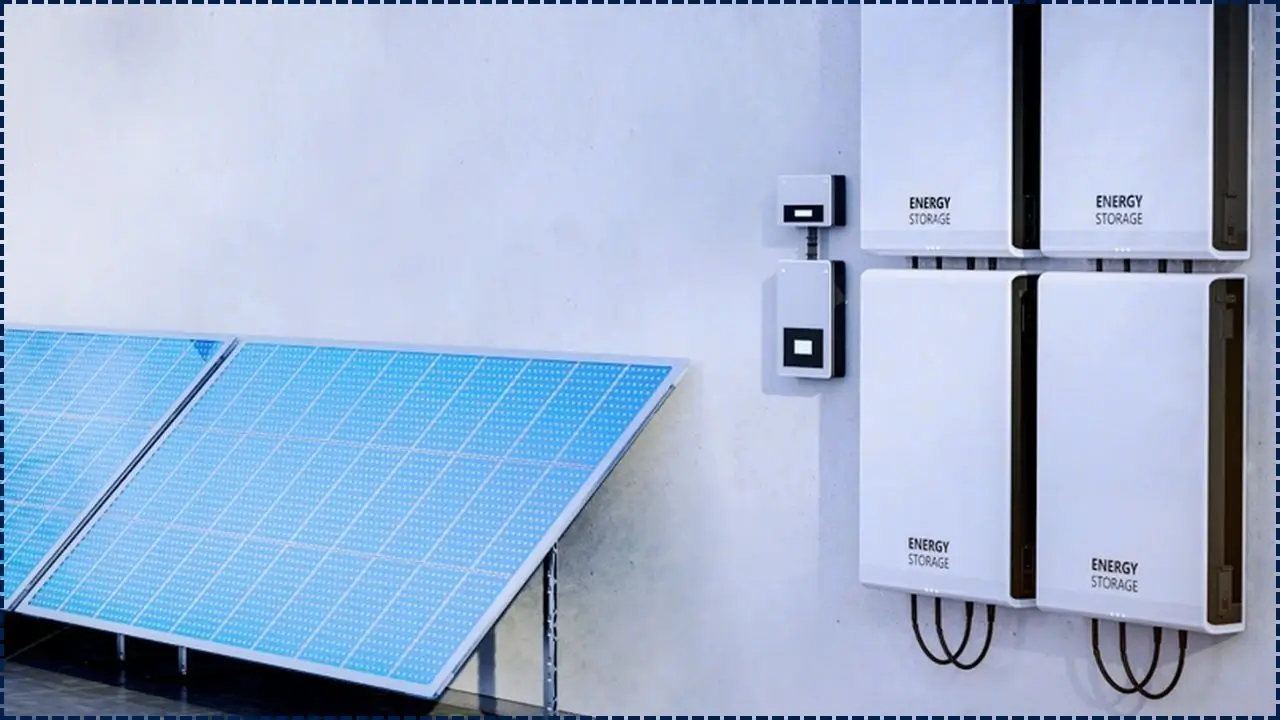
When combined with battery storage, solar installations can continue supplying electricity even when the wider grid is offline.
Climate Change and Future Storm Risk
Climate researchers warn that warmer ocean temperatures may intensify hurricanes and tropical storms. A report from the Intergovernmental Panel on Climate Change (IPCC) indicates that extreme weather events are likely to become more frequent and severe in many regions.
This trend is prompting engineers to design renewable infrastructure with greater resilience margins. Solar farms built today must remain operational through decades of increasingly volatile weather.
The Role of Solar in Disaster Recovery
Solar power can also play a key role in disaster recovery. When hurricanes damage traditional power grids, solar microgrids equipped with battery storage can restore electricity quickly.
These systems have been deployed in:
- Hospitals
- Emergency shelters
- Water treatment facilities
- Remote communities
Energy experts say such decentralized power systems improve resilience during natural disasters.
“Distributed renewable energy can help communities maintain critical services when centralized grids fail,” said Dr. Michael Taylor, an analyst at the International Renewable Energy Agency (IRENA).
Related Links
Elmya Breaks Ground on Major Solar-Plus-Storage Hybrid Site in Scotland
The Invisible Grid: Can Transparent Solar Windows Replace Traditional Glass by 2030?
Future Innovations in Storm-Resilient Solar
Engineers are exploring new technologies that could further improve solar resilience.
These include:
- Flexible mounting systems that absorb wind stress
- Artificial intelligence systems that reposition panels before storms
- Modular solar structures that limit cascading damage
- Advanced corrosion-resistant materials
Researchers believe these innovations will play an increasingly important role as extreme weather events intensify.
As climate change intensifies extreme weather, engineers are rethinking how energy infrastructure is built. Solar farms capable of surviving hurricane-force winds demonstrate that renewable power systems can be designed not only for efficiency but also for resilience—ensuring electricity continues flowing even after the strongest storms.
FAQs
Can solar farms really survive hurricanes?
Yes. Properly engineered solar farms can withstand hurricane-force winds using reinforced mounting systems and aerodynamic designs.
What wind speeds can solar panels survive?
Most panels are rated for winds around 140 mph, though reinforced systems may be engineered for much higher wind loads.
What is storm stow mode?
Storm stow mode automatically rotates solar panels into a flat position to reduce wind exposure during storms.
Why are solar microgrids important after hurricanes?
Solar microgrids can supply electricity even when centralized power systems fail, helping maintain essential services.