
Growing market volatility in solar stocks is prompting financial analysts to change their investment approach. Instead of broad exposure to renewable energy equities, experts increasingly recommend stock-specific bets in solar, focusing on companies with strong fundamentals.
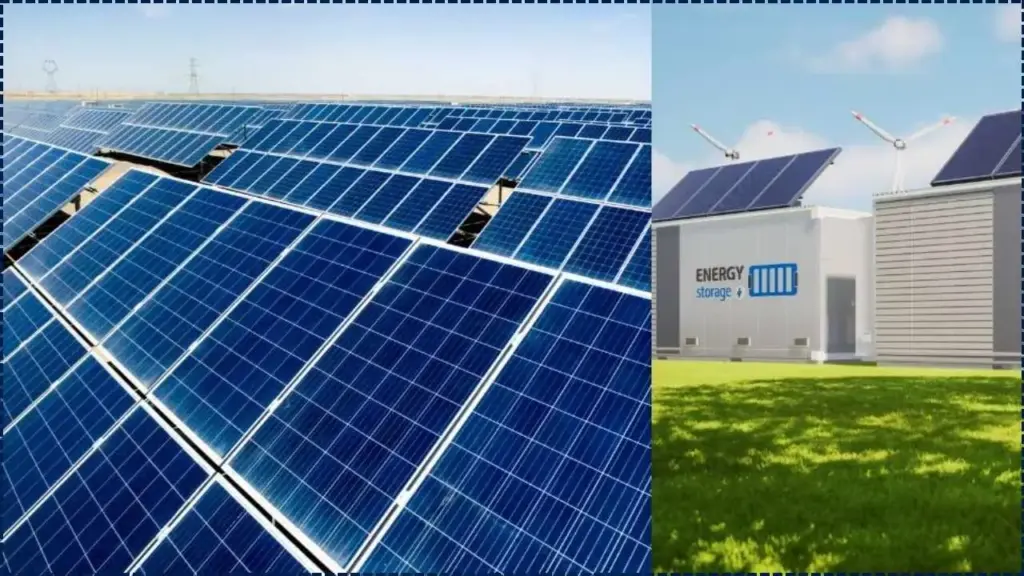
The shift reflects rising uncertainty caused by supply-chain pressures, trade tariffs, interest-rate changes, and uneven demand across global solar markets.
‘Stock-Specific’ Bets in Solar
| Key Fact | Detail |
|---|---|
| Solar market volatility | Solar equities often respond sharply to policy and interest-rate changes |
| Trade policy risks | Tariffs and anti-dumping duties can impact solar manufacturers |
| Supply imbalance | Global manufacturing capacity growth has created oversupply in some regions |
Understanding Market Volatility in Solar Stocks
The solar energy industry has experienced rapid growth over the past decade, but this expansion has been accompanied by frequent price swings in solar equities.
Renewable energy stocks are particularly sensitive to policy announcements, global trade developments, and changes in interest rates. Analysts say these factors can create sharp movements in solar stock prices.
Recent market developments highlight these risks. Several major solar companies have experienced significant share price declines following weak earnings forecasts and industry challenges.
- Barron’s
- Barron’s
- Barron’s
- The Economic Times
Reports from financial media show that solar stocks have dropped sharply at times due to weak guidance, falling demand in residential solar markets, and rising financing costs.
In one case, the residential solar company Sunrun saw its shares fall dramatically despite reporting earnings above analyst expectations after issuing cautious future guidance. These developments illustrate the unpredictable nature of renewable energy equities.
Why Analysts Recommend Stock-Specific Bets in Solar
Diverging performance across companies
One of the primary reasons analysts recommend stock-specific bets in solar is the wide performance gap between companies within the same sector. Some solar firms report strong earnings growth and rising demand for utility-scale projects, while others face declining margins due to oversupply or weaker installations.
Industry research shows that solar stocks can experience significant volatility due to sector-specific risks such as policy changes and component costs.
As a result, analysts increasingly advise investors to evaluate companies individually rather than investing broadly across the entire sector.
Business model differences across the solar value chain
The solar industry consists of multiple segments, including:
- solar module manufacturing
- solar project development
- renewable energy infrastructure
- energy storage integration
Each segment faces different market dynamics.
For example, solar manufacturers often depend on raw material costs and international trade policies, while project developers rely on long-term power purchase agreements and project financing. These structural differences explain why analysts emphasize company-specific analysis.
Trade Tariffs and Global Supply Pressures
Another major factor driving market volatility in solar stocks is international trade policy. Recent U.S. duties on solar imports from several Asian countries triggered declines in solar equipment stocks.
Tariffs can significantly affect companies that rely heavily on exports. Industry analysts warn that escalating trade restrictions may disrupt global solar supply chains.
In addition, manufacturing expansion has created oversupply in some regions. Reports indicate solar module capacity could exceed demand in certain markets, creating price competition and reducing profit margins.
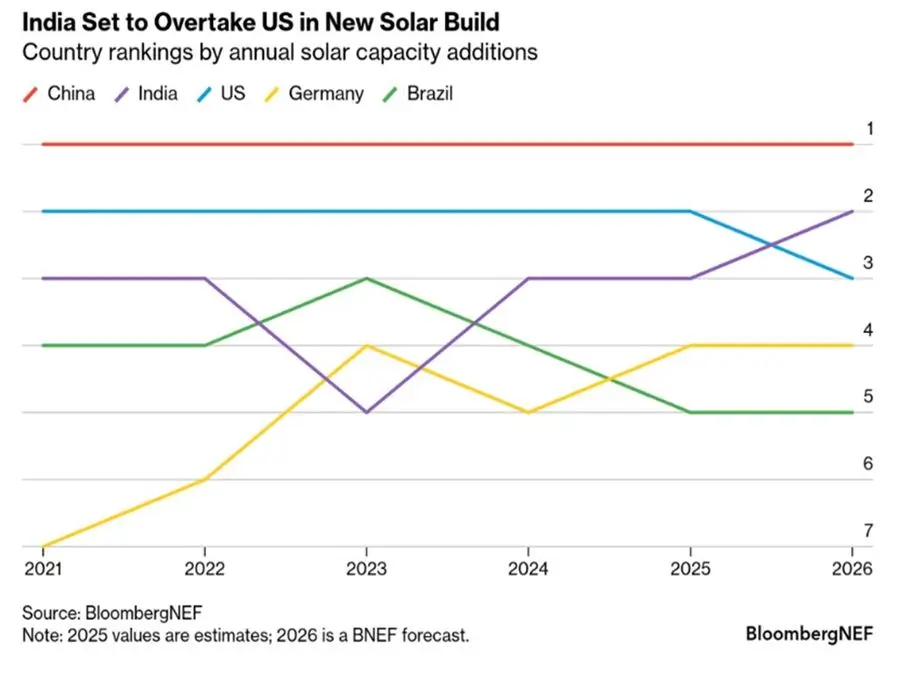
In India, analysts say domestic solar module production could rise sharply over the next several years, potentially creating a surplus if demand does not increase at the same pace.
Interest Rates and Financing Costs
Solar projects require large capital investments for infrastructure, installation, and grid integration. When interest rates rise, the cost of financing solar projects increases. This can reduce the profitability of renewable energy developments and impact investor sentiment.
Financial analysts say higher borrowing costs have become a key factor influencing solar equity valuations in recent years. For project developers, long-term financing structures make them particularly sensitive to changes in interest rates.
Global Market Forces Reshaping Solar Investing
Despite short-term volatility, long-term demand for renewable energy remains strong. Global electricity consumption is rising rapidly due to digital infrastructure expansion, electric vehicles, and urbanization.
Energy analysts say renewable energy is increasingly driven by market demand rather than government subsidies alone. Solar power’s ability to deliver electricity quickly and at competitive costs continues to support long-term growth.
Case Study: Diverging Solar Stock Outcomes
Recent market movements illustrate why analysts emphasize stock-specific investment strategies.
Some companies have benefited from strong project pipelines and favorable policy support. For example, certain solar developers with long-term power purchase agreements have delivered steady revenue growth.
Other companies have struggled due to high component costs, tariff impacts, or declining residential demand. This divergence highlights the importance of analyzing company-level financial performance rather than assuming uniform sector growth.
What Investors Should Evaluate
Analysts recommend several key metrics when selecting solar stocks.
Financial strength
Companies with strong balance sheets and stable cash flow are generally better equipped to manage periods of market volatility.
Technology advantages
Solar firms with advanced photovoltaic technologies or higher-efficiency modules may achieve competitive cost advantages.
Project pipeline
Developers with large portfolios of approved renewable energy projects may have more predictable revenue streams.
Geographic diversification
Companies operating across multiple markets can reduce exposure to policy changes in a single region.
Strategic Approaches for Solar Investors
Financial advisors often recommend a cautious and selective strategy for investing in solar stocks.

Hyper Charge Battery Tech: अब चार्जिंग में लगेगा सिर्फ 5 मिनट! पुरानी बैटरियां हो गईं आउटडेटेड!
Diversification within renewable energy
Investors may diversify across multiple renewable energy technologies such as solar, wind, and energy storage.
Long-term investment horizon
Many analysts emphasize that renewable energy investments should be approached with patience rather than short-term speculation.
Monitoring policy developments
Because government regulations influence renewable energy markets, investors should track policy announcements carefully.

Long-Term Outlook for Solar Stocks
Despite recent volatility, most energy analysts remain optimistic about the long-term outlook for solar power. Global governments are expanding renewable energy targets, and electricity demand continues to grow.
Industry forecasts suggest solar power will remain one of the fastest-growing energy sources worldwide over the next decade. For investors, this means opportunities remain significant—but careful company selection is essential.
Related Links
The Agri-Solar Miracle: How Farmers are Growing Crops Under Panels to Save Water and Double Profits
The 10-Year Trap: Why Cheap “Tier-1” Solar Panels are Failing Homeowners in High-Heat Zones
The rise of market volatility in solar stocks is reshaping investment strategies in the renewable energy sector. Analysts increasingly recommend stock-specific bets in solar, arguing that careful evaluation of individual companies may offer better opportunities than broad sector exposure as the global solar industry continues evolving.
FAQs
Why are solar stocks volatile?
Solar stocks react strongly to policy changes, trade tariffs, supply-chain disruptions, and interest-rate movements.
What are stock-specific bets in solar investing?
Stock-specific bets involve investing in individual solar companies based on their financial strength, technology, and project pipeline rather than investing broadly across the sector.
Are solar stocks still attractive for long-term investors?
Many analysts believe solar energy remains a strong long-term growth industry due to global decarbonization goals and rising electricity demand.
How can investors reduce risk in solar investments?
Diversifying investments, evaluating company fundamentals, and maintaining a long-term investment strategy can help reduce risk.