
A new geopolitical competition is emerging around energy security as nations increasingly shift away from fossil fuels toward renewable technologies. At the center of this transformation are solar power and green hydrogen.

In what analysts describe as The New Battle for Energy Security, governments are investing billions in renewable infrastructure to stabilize energy supplies, reduce geopolitical risks, and meet climate commitments.
New Battle for Energy Security
| Key Fact | Detail |
|---|---|
| Solar investment | Global solar investment exceeded $480 billion in 2023 |
| Solar growth | Solar PV expected to account for 80% of global renewable capacity growth |
| Solar electricity share | Solar generated over 10% of global electricity in 2024 |
| Global capacity | Global solar capacity exceeded 2.2 terawatts by 2024 |
| Renewable expansion | Renewables could supply 43% of global electricity by 2030 |
The New Battle for Energy Security
For much of modern history, energy security revolved around access to fossil fuels. Oil fields in the Middle East, gas pipelines across Eurasia, and maritime shipping routes defined geopolitical alliances and conflicts. Today, a new contest is emerging.
Countries are racing to build renewable energy systems powered by sunlight, wind, and hydrogen derived from clean electricity. These technologies promise energy independence in a world increasingly vulnerable to supply disruptions and climate risks.
The transition is already visible in global energy data. Solar energy is now the fastest-growing electricity source, expanding rapidly across every major region of the world.
The Lessons of Recent Energy Crises
The global energy system has faced repeated disruptions in recent years. Supply shocks, geopolitical tensions, and price volatility have exposed the fragility of fossil-fuel-dependent energy systems.
Energy crises triggered by conflicts and supply disruptions have forced governments to rethink national energy strategies. Experts say these events have accelerated renewable investment.
According to the International Energy Agency (IEA), the global energy transition has gained momentum as governments seek to reduce dependence on imported fuels and stabilize electricity prices.
Solar and hydrogen technologies offer a strategic alternative because they rely on domestic resources rather than imported fuels.
Solar Power Becomes the Backbone of the Transition
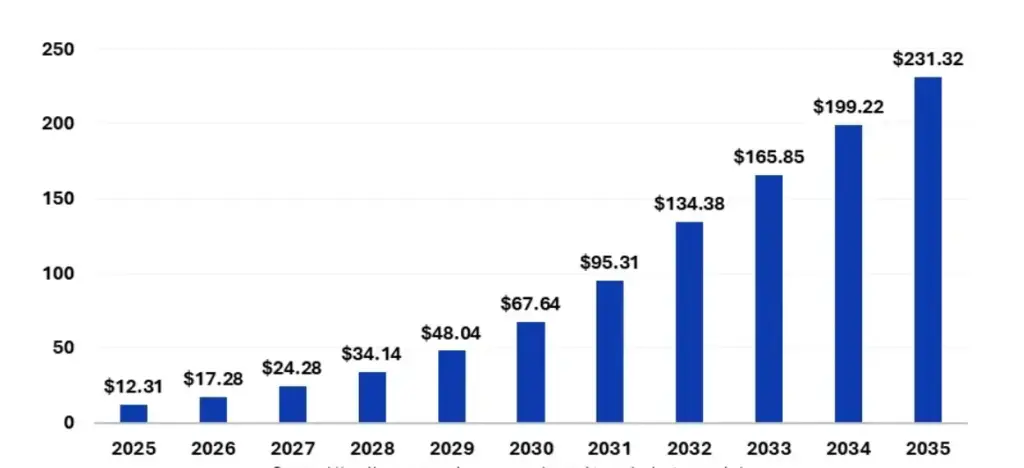
Solar energy has moved from a niche technology to a cornerstone of the global electricity system. In 2024, global solar installations exceeded 2.2 terawatts of capacity, producing more than 10% of global electricity consumption.
Investment in solar infrastructure has surged. Solar photovoltaic investment alone exceeded $480 billion in 2023, making it the most heavily funded electricity technology worldwide.
Several factors explain solar’s rapid rise:
- declining cost of photovoltaic panels
- improved energy storage technologies
- government incentives and renewable policies
- increasing demand for clean electricity
Analysts expect solar power to remain the dominant source of renewable expansion. Over the next five years, solar PV is projected to account for around 80% of global renewable capacity growth.
Green Hydrogen: The Next Strategic Energy Carrier
While solar power is transforming electricity generation, hydrogen could reshape industrial energy systems. Green hydrogen is produced by using renewable electricity to split water into hydrogen and oxygen through electrolysis.
Unlike traditional hydrogen production methods that rely on natural gas, green hydrogen produces minimal greenhouse gas emissions. Energy experts see hydrogen as a crucial tool for decarbonizing industries that are difficult to electrify.
These include:
- steel production
- cement manufacturing
- aviation fuel production
- maritime shipping
Because hydrogen can be stored and transported, it also offers a way to balance renewable energy supply and demand.
The Emerging Hydrogen Economy
Governments worldwide are investing heavily in hydrogen infrastructure.
Major hydrogen strategies have been announced by:
- the European Union
- Japan
- South Korea
- Australia
- the United States
- India
These strategies aim to develop hydrogen production hubs powered by renewable electricity. Many countries also plan to export hydrogen as a global commodity.

Onix Solar Energy Ltd: इस सोलर शेयर में दिया 5 साल में 5,103.41% का रिटर्न, अब भी भरेगा जेब
Regions with abundant renewable resources—including Australia, the Middle East, and North Africa—are positioning themselves as major hydrogen exporters. Hydrogen could eventually become a global trade commodity similar to liquefied natural gas.
New Winners and Losers in Energy Geopolitics
The transition to renewable energy is reshaping geopolitical power. In the fossil-fuel era, energy influence was concentrated among countries with large oil and gas reserves.
In the renewable era, influence may depend on access to sunlight, wind resources, and critical minerals required for clean technologies. Countries with strong renewable potential could become new energy exporters.
Meanwhile, nations that dominate manufacturing of renewable equipment—particularly solar panels and batteries—may gain economic leverage.
China currently leads global solar manufacturing and accounts for the majority of new installations worldwide.
The Role of Critical Minerals
Renewable energy technologies depend heavily on mineral supply chains. Solar panels require silicon, silver, and aluminum. Batteries rely on lithium, cobalt, and nickel. These materials have become strategically important resources.
Governments are increasingly concerned about securing reliable supplies of these minerals. According to energy analysts, competition for critical minerals may become one of the defining geopolitical issues of the clean-energy transition.
Grid Infrastructure and Storage Challenges
The rapid expansion of renewable energy also presents technical challenges. Solar and wind power depend on weather conditions, which means electricity generation can fluctuate.
To manage this variability, energy systems require:
- large battery storage systems
- advanced electricity grids
- smart energy management technologies
Battery costs have fallen significantly in recent years, making renewable integration more feasible. However, building the necessary infrastructure will require massive investment.
Economic Opportunities in the Clean Energy Economy
The renewable energy transition is creating new economic opportunities. Solar panel manufacturing, hydrogen production, and battery technology are becoming major global industries.
Millions of jobs are already linked to renewable energy. According to energy sector analyses, the clean-energy transition could generate millions of additional jobs in construction, manufacturing, engineering, and research.
Governments increasingly see renewable energy as both an economic and environmental strategy.

Challenges and Skepticism
Despite rapid progress, the transition away from fossil fuels remains incomplete. Fossil fuels still supply roughly 80% of global energy demand, meaning renewable technologies must expand dramatically to replace them.
Infrastructure costs, supply chain constraints, and political resistance remain significant barriers. Some analysts also warn that renewable deployment is uneven across regions, with developing countries facing financing challenges.
Experts say international cooperation will be necessary to ensure that the transition occurs globally rather than only in wealthy economies.
A Turning Point for Global Energy
Despite these challenges, momentum toward renewable energy continues to grow. Solar power is expanding faster than any energy technology in history, while hydrogen investment is accelerating across multiple continents.
Clean energy sources already account for more than 40% of global electricity generation, reflecting rapid growth in solar and wind power. Many analysts believe the world is approaching a tipping point in the global energy transition.
Related Links
The Solar “Subscription”: Why Gen-Z Homeowners are Leasing Panels Instead of Buying Them
West Asia Tensions and Solar Energy: Is India’s Energy Paradigm Shifting?
The global race for energy security is no longer defined only by oil reserves or gas pipelines. Instead, it increasingly revolves around renewable energy technologies, advanced infrastructure, and critical minerals. Solar power and green hydrogen are emerging as central pillars of this transformation.
Whether these technologies can fully replace fossil fuels remains uncertain. But the direction of global energy policy is increasingly clear.
Countries that invest early in renewable infrastructure and hydrogen technology may gain significant economic and strategic advantages in the decades ahead.
FAQs
Why are countries pivoting to solar and green hydrogen?
Governments are seeking energy independence, price stability, and lower carbon emissions. Renewable technologies reduce dependence on imported fossil fuels.
What is green hydrogen?
Green hydrogen is produced by splitting water into hydrogen and oxygen using renewable electricity.
Why is solar power growing so quickly?
Solar panel costs have fallen dramatically while demand for clean electricity has increased.
What challenges remain?
Major challenges include infrastructure investment, mineral supply chains, and the need for large-scale energy storage systems.