The evolution of battery storage is reshaping global energy systems as governments and industries race to store renewable electricity more efficiently. Lithium-ion batteries currently dominate energy storage markets, but researchers are exploring alternatives such as thermal energy storage and hydrogen systems.
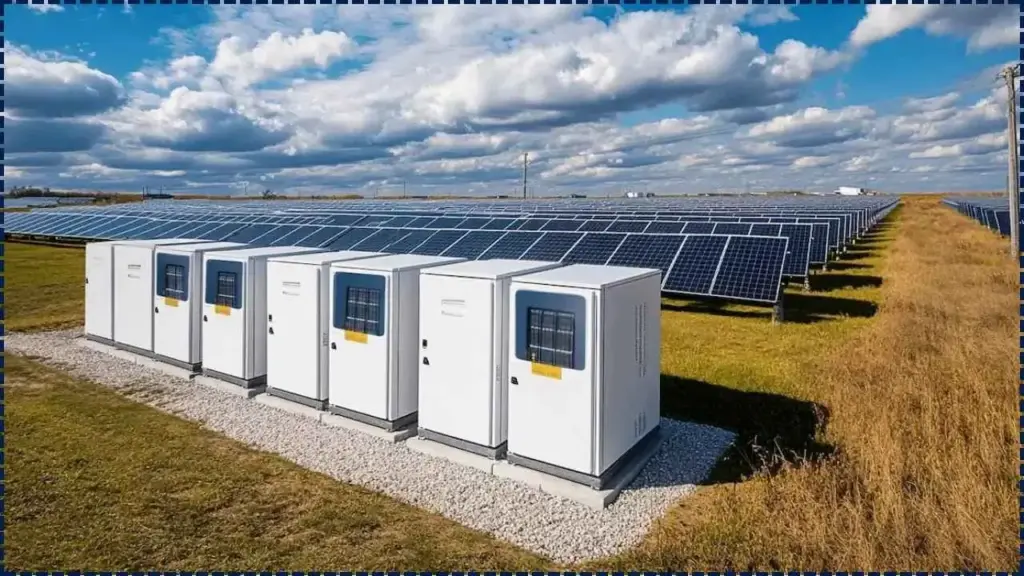
These emerging technologies may complement lithium-ion batteries as nations expand renewable energy and aim to stabilize power grids.
The Evolution of Battery Storage
| Key Fact | Detail |
|---|---|
| Lithium-ion dominates grid storage | Provides rapid response and high efficiency |
| Hydrogen storage offers long duration | Can store energy for weeks or months |
| Thermal storage uses abundant materials | Systems often rely on water, salt, or rock |
| Battery capacity expected to surge | Global grid storage may increase 35-fold by 2030 |
Lithium-Ion Batteries Still Lead the Evolution of Battery Storage
Lithium-ion batteries remain the backbone of modern energy storage systems. They power electric vehicles, consumer electronics, and increasingly large utility-scale energy storage projects.
According to the International Energy Agency (IEA), global battery storage capacity could expand dramatically by the end of this decade as countries deploy renewable energy at record levels.
Wind and solar power are growing rapidly worldwide. However, their output varies depending on weather and time of day. Energy storage helps stabilize electricity grids by storing surplus electricity when supply exceeds demand and releasing it when needed.
“Battery storage is essential for integrating renewable energy into power systems,” said Dr. Paul Denholm, a senior energy analyst at the National Renewable Energy Laboratory (NREL).
Lithium-ion batteries offer key advantages. They respond quickly to grid fluctuations and deliver high efficiency. Many systems recover more than 90 percent of stored energy, making them one of the most efficient storage technologies currently available. But lithium-ion batteries also face limitations.
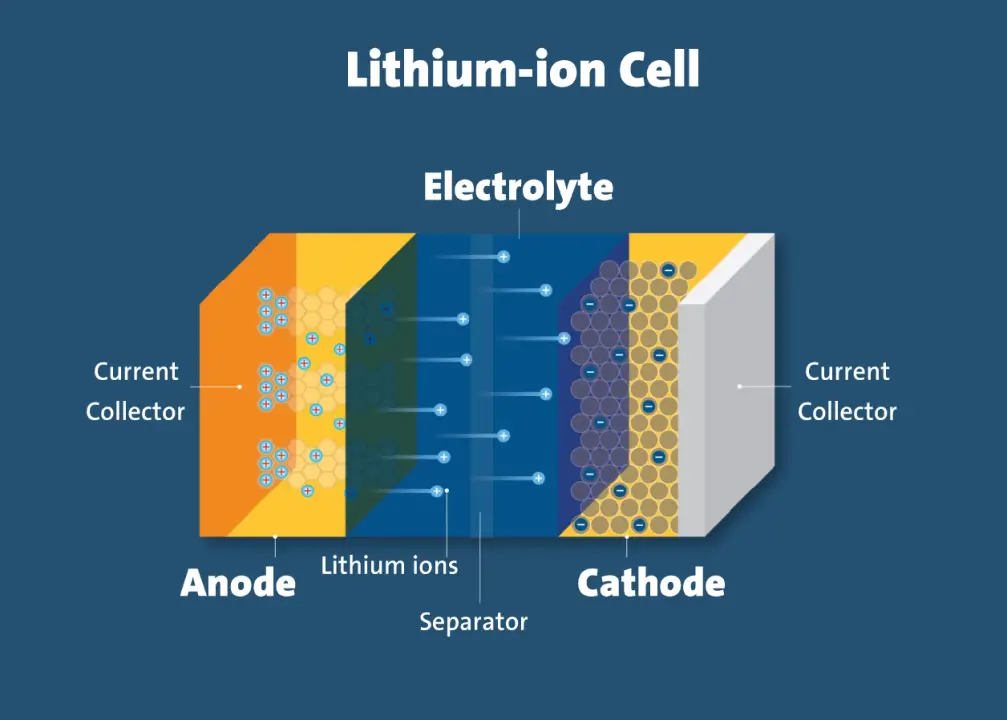
Production depends on critical minerals including lithium, cobalt, and nickel. Supply chains for these materials are concentrated in a small number of countries, raising concerns about resource availability and geopolitical risk.
Environmental concerns related to mining and recycling have also prompted researchers to explore alternatives.
Why Energy Systems Need Multiple Storage Technologies
Electricity systems historically relied on fossil fuel plants that could generate power continuously. Renewable energy sources, by contrast, fluctuate based on natural conditions. Solar power declines at night, and wind output varies across seasons.
This variability means energy systems require storage solutions capable of operating over different time scales. Short-duration storage handles hourly changes in electricity demand. Long-duration storage can provide backup power during extended periods of low renewable output.
“Future energy systems will rely on a portfolio of storage technologies,” said Fatih Birol, executive director of the International Energy Agency, in recent energy transition reports. The evolution of battery storage increasingly reflects this layered approach.
Thermal Energy Storage: Turning Electricity Into Heat
Thermal energy storage converts electricity into heat and stores it in materials such as molten salt, sand, water, or specialized phase-change substances. These systems can release the stored heat later to generate electricity or provide industrial heat.
Thermal storage is already used in concentrated solar power plants. During daylight hours, solar energy heats molten salt stored in insulated tanks. The heat can then generate electricity after sunset.
Energy analysts say thermal storage offers several advantages. First, it relies on inexpensive and widely available materials. Unlike lithium-ion batteries, thermal systems typically do not require rare minerals.
Second, thermal storage can operate at very large scale. Industrial heat storage systems can hold significant amounts of energy for hours or even days. Several European countries are developing district heating networks that use thermal reservoirs to store energy underground.
However, converting stored heat back into electricity is less efficient than battery storage. Thermal systems also respond more slowly to grid changes. As a result, most experts view thermal storage as a complementary technology rather than a replacement for lithium-ion batteries.
Hydrogen Storage: The Chemical Battery
Hydrogen energy storage converts electricity into hydrogen fuel through electrolysis. The hydrogen can then be stored and later used to generate electricity in fuel cells or turbines. Unlike batteries, hydrogen systems can store energy for very long periods.
This capability makes hydrogen particularly attractive for seasonal energy storage. Countries with large renewable energy targets may need to store excess electricity produced during high-output seasons.
According to the International Energy Agency, global hydrogen demand reached nearly 100 million tonnes in 2024, though most production still comes from fossil fuels. Many governments are investing heavily in low-emission hydrogen produced using renewable electricity.
Hydrogen storage, however, faces significant challenges. Converting electricity to hydrogen and back again results in energy losses. Overall efficiency is lower than battery storage.
Infrastructure requirements are another barrier. Hydrogen must be stored under pressure or in specialized underground facilities. Despite these challenges, hydrogen is increasingly viewed as a critical component of future energy systems.
Global Policy and Investment Driving Storage Innovation
Governments worldwide are investing heavily in energy storage technologies as part of climate and energy security strategies. The United States Inflation Reduction Act, passed in 2022, provides billions of dollars in tax incentives for battery manufacturing and hydrogen production.
The European Union’s Green Deal includes funding for hydrogen infrastructure and large-scale energy storage research.C hina, the world’s largest battery producer, has also expanded its investment in grid storage projects to support rapid renewable energy deployment.
These policies are accelerating technological development and reducing costs through large-scale manufacturing.
Corporate and Industry Projects Expanding Energy Storage
Private companies are also driving innovation in energy storage. Major energy companies including Shell, BP, and TotalEnergies have launched hydrogen pilot projects aimed at producing green hydrogen from renewable electricity.
Technology firms and utilities are building increasingly large lithium-ion battery installations. Some projects now exceed one gigawatt-hour of storage capacity. Meanwhile, several startups are developing new thermal storage technologies that use materials such as sand or ceramics to store energy as heat.
Industry analysts say the combination of public investment and private innovation is accelerating the evolution of battery storage.
Environmental and Supply-Chain Considerations
Energy storage technologies also carry environmental implications. Lithium mining can affect water resources in arid regions where large deposits exist. Recycling lithium-ion batteries remains a developing industry.
Hydrogen production requires significant amounts of electricity and water, depending on the production method. Thermal storage systems generally use abundant materials but may require large infrastructure projects.
Energy researchers say these environmental factors will influence how different technologies are deployed.
Emerging Technologies Beyond Lithium-Ion
The evolution of battery storage includes several new battery chemistries that could complement lithium-ion systems.
These include:
Sodium-Ion Batteries
Sodium-ion batteries use more abundant materials than lithium batteries. Several manufacturers have begun commercial production.
Solid-State Batteries
Solid-state batteries replace liquid electrolytes with solid materials, potentially improving safety and energy density.
Flow Batteries
Flow batteries store energy in liquid electrolytes stored in external tanks, enabling longer-duration storage for grid applications. While these technologies remain in early stages, researchers believe they could help diversify the global storage landscape.
Regional Differences in Energy Storage Adoption
Different regions are pursuing different storage strategies. The United States has focused heavily on lithium-ion grid batteries. Europe is investing in hydrogen infrastructure to support industrial decarbonization.
China leads global battery manufacturing and continues to expand grid storage deployment. These regional differences reflect variations in energy policy, resource availability, and industrial priorities.
Challenges Facing Next-Generation Energy Storage
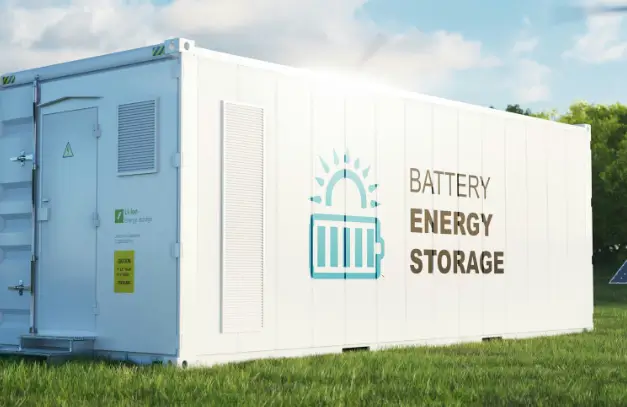
Despite rapid progress, several challenges remain. Cost remains a major barrier for many emerging technologies. Hydrogen infrastructure requires extensive new pipelines, storage facilities, and safety systems.
Thermal storage systems must demonstrate reliability and economic competitiveness at large scale. Researchers say continued investment and innovation will be necessary to overcome these obstacles.
Related Links
The New Battle for Energy Security: Why the World is Pivoting to Solar & Green Hydrogen
The Solar “Subscription”: Why Gen-Z Homeowners are Leasing Panels Instead of Buying Them
The Future of the Evolution of Battery Storage
Energy experts widely agree that no single technology will dominate all energy storage needs. Lithium-ion batteries will likely remain essential for short-duration storage and electric vehicles. Thermal storage may expand in industrial heating and district energy systems.
Hydrogen could provide long-duration storage and support heavy transportation sectors such as shipping and aviation.
The evolution of battery storage is therefore moving toward a diversified system where multiple technologies work together to support renewable energy.
“Achieving reliable, low-carbon power systems will require many different storage solutions,” the International Energy Agency said in its latest energy outlook.
FAQs
What is the main technology used for battery storage today?
Lithium-ion batteries dominate current energy storage systems due to high efficiency and mature manufacturing infrastructure.
Why are hydrogen and thermal storage gaining attention?
They can store energy for longer periods and rely on more abundant materials than lithium-based batteries.
Will lithium-ion batteries disappear?
Experts say lithium-ion batteries will remain important but will likely be complemented by other technologies.
Which technology is best for renewable energy storage?
Different technologies serve different roles depending on storage duration, scale, and cost.