
Germany’s solar boom countering surging gas prices is reshaping the country’s energy landscape. As global natural gas prices remain volatile following geopolitical disruptions and supply shortages, Germany’s rapidly expanding solar capacity is helping stabilize electricity costs.
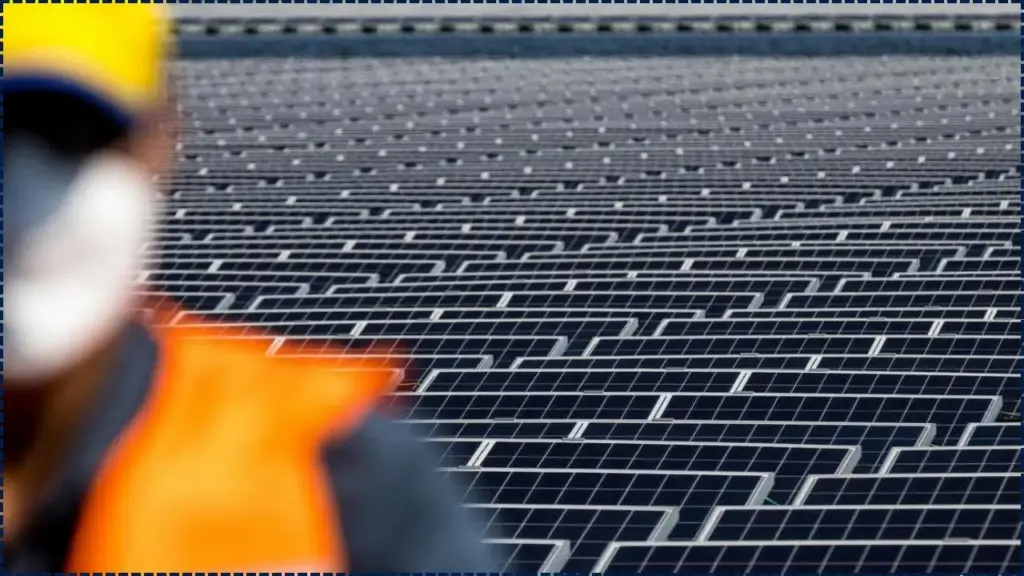
Analysts say the growth of renewable energy is reducing reliance on fossil fuels and offering households and industries some relief from rising energy expenses.
Germany’s Solar Boom
| Key Fact | Detail / Statistic |
|---|---|
| Renewable electricity share | Around 56% of Germany’s electricity came from renewables in 2025 |
| Solar capacity milestone | Germany surpassed 100 gigawatts of solar capacity in 2025 |
| EU renewable shift | Wind and solar generated 30% of EU electricity in 2025 |
Surging Gas Prices Countered by Germany’s Solar Boom
Germany’s growing solar energy sector is increasingly helping offset the impact of high natural gas prices. Natural gas remains a major fuel for electricity generation in Europe. However, the region’s heavy dependence on imported gas has exposed energy markets to supply disruptions and price volatility.
The situation worsened after Russia’s invasion of Ukraine in 2022 significantly reduced pipeline gas supplies to Europe. The resulting energy crisis forced governments across the continent to accelerate renewable energy investments.
Germany has responded by dramatically expanding solar power installations, both on rooftops and through large solar farms.
According to the Fraunhofer Institute for Solar Energy Systems, renewable energy sources generated nearly 56% of Germany’s electricity in 2025, with solar output increasing significantly compared with previous years.
Solar energy now represents one of the fastest-growing components of Germany’s electricity supply.
Historical Growth of Germany’s Solar Sector
Germany has been a global pioneer in solar energy adoption. The country began promoting solar energy in the early 2000s through generous feed-in tariffs under the Renewable Energy Sources Act (EEG).
These policies guaranteed fixed payments to households and businesses that generated solar electricity and fed it into the grid. The incentives triggered a rapid expansion of solar installations across Germany.
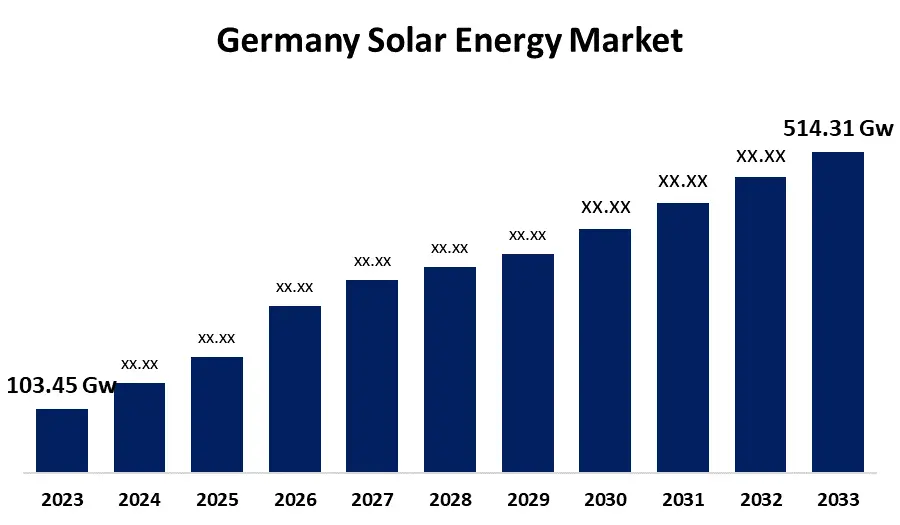
By 2010, the country had become the world’s largest solar market. Although other countries later overtook Germany in total capacity, the country has maintained steady growth in recent years.
Industry statistics show that Germany’s solar capacity surpassed 100 gigawatts in 2025, enough to power millions of homes.
How Solar Energy Helps Lower Electricity Prices
Solar energy contributes to lower electricity prices through a mechanism known as the merit-order effect.
Electricity markets prioritize power sources with the lowest operating costs. Because solar energy has minimal operating expenses once installed, it enters the market ahead of more expensive generation sources such as gas plants.
As solar generation increases, it pushes higher-cost electricity sources out of the market. This reduces the wholesale price of electricity. Energy economists say this effect has become increasingly visible in Germany during sunny periods when solar production peaks.
During those hours, the additional electricity supply helps stabilize power prices even when gas costs rise sharply.
Impact on Household Electricity Bills
For German households, rising gas prices have contributed to higher electricity and heating costs in recent years. However, the expansion of solar power is beginning to ease some of that pressure.
Households that install rooftop solar panels can generate their own electricity, reducing reliance on expensive grid power. In addition, excess solar electricity can be exported to the grid under feed-in tariff or net-metering systems.
According to energy analysts, rooftop solar systems can reduce household electricity bills by 30–50%, depending on system size and electricity consumption. Many homeowners are also installing battery storage systems to store excess solar power generated during the day.
Businesses and Industry Turn to Solar Power
German businesses have also accelerated investments in solar energy. Industrial electricity costs in Europe are among the highest in the world, prompting companies to search for ways to reduce energy expenses.

PM-Kusum योजना से मिलेगा मुफ्त बिजली का फायदा! जानिए कौन कर सकता है अप्लाई और कैसे उठाएं पूरा लाभ
Factories, warehouses, and logistics centers across Germany are installing rooftop solar panels to generate electricity on-site.
According to the German Association of Energy and Water Industries (BDEW), industrial users account for roughly two-thirds of Germany’s electricity consumption. This means that corporate adoption of solar power can significantly influence national electricity demand.
Many companies view solar installations as a long-term hedge against volatile energy prices.
The Role of Energy Storage in Solar Expansion
As solar generation grows, energy storage is becoming increasingly important. Solar electricity production peaks during the day, while electricity demand often rises in the evening.
Battery storage systems allow households and businesses to store excess solar energy and use it later. Germany has seen rapid growth in residential battery installations alongside rooftop solar systems.
According to industry data, more than one million home battery systems have been installed across Germany. Energy experts say battery storage will play a crucial role in balancing renewable energy supply and demand.
European Energy Transition and Germany’s Role
Germany’s solar expansion is part of a broader transformation in Europe’s electricity system. Across the European Union, governments are increasing renewable energy targets to reduce dependence on fossil fuels and imported energy.
In 2025, wind and solar together generated roughly 30% of the European Union’s electricity, surpassing fossil fuels for the first time, according to energy think tank Ember.
Germany’s renewable expansion has influenced neighboring electricity markets because European power grids are interconnected. Higher renewable electricity generation in Germany can lower power prices in neighboring countries during periods of strong solar output.
Challenges of Solar-Dominated Power Systems
Despite its advantages, solar energy also introduces new challenges for power systems. Solar electricity production fluctuates based on weather conditions and seasonal daylight patterns.
Periods of low renewable output—sometimes called “Dunkelflaute” in Germany—can occur when both solar and wind generation are limited. During these times, conventional power plants such as gas or coal remain necessary to maintain grid stability.
Energy experts emphasize the importance of expanding transmission infrastructure and energy storage to manage these fluctuations.
Investor Interest and Market Response
Germany’s renewable expansion has also attracted significant investment. Solar developers, utilities, and infrastructure funds are increasing investments in renewable energy projects across Europe.
Financial analysts say renewable energy assets are increasingly attractive to investors due to long-term government policies supporting clean energy.The rapid growth of solar installations has also created new opportunities for companies involved in manufacturing solar panels, battery systems, and energy management software.
Technology Advances Driving Solar Growth
Technological improvements are also accelerating solar adoption. Modern solar panels are significantly more efficient than earlier models, generating more electricity from the same amount of sunlight.
Manufacturing costs for solar panels have fallen dramatically over the past two decades due to global supply chains and improved production processes.
As a result, solar energy has become one of the cheapest sources of electricity in many regions. This cost reduction has made large-scale solar expansion economically viable even without heavy subsidies.
Climate and Environmental Impact
Germany’s renewable expansion is also helping the country reduce greenhouse gas emissions. Government data indicates that increased renewable electricity generation contributed to a decline in national carbon emissions in recent years.
Reducing fossil fuel use in the power sector is considered one of the fastest ways to cut emissions. However, other sectors such as transportation and building heating still rely heavily on fossil fuels. Energy analysts say electrification combined with renewable power will be essential to achieving Germany’s climate targets.
Future Outlook for Germany’s Energy System
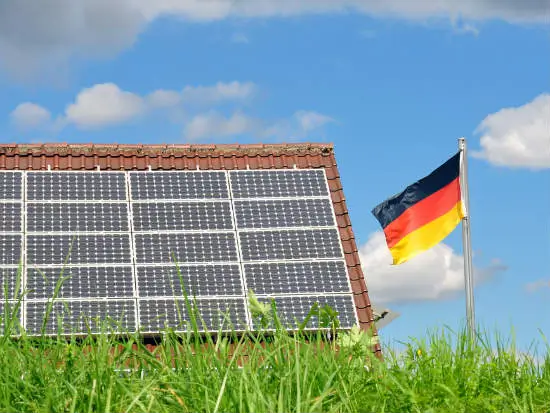
Energy experts expect solar power to play an even larger role in Germany’s electricity mix in the coming decade. Government plans call for expanding solar capacity to 215 gigawatts by 2030, more than double current levels.
This expansion is expected to make solar energy one of the dominant sources of electricity in the country. However, experts caution that grid modernization, energy storage expansion, and market reforms will be necessary to fully integrate large amounts of renewable energy.
Related Links
Hurricane Proof: The Engineering Secret Behind Solar Farms That Survived 200mph Winds
The New Battle for Energy Security: Why the World is Pivoting to Solar & Green Hydrogen
Germany’s solar boom is increasingly helping cushion the impact of volatile gas prices. While renewable expansion alone cannot eliminate energy market fluctuations, analysts say the continued growth of solar power will remain a key factor in stabilizing electricity costs and strengthening Europe’s energy security.
FAQs
Why are gas prices rising in Europe?
Gas prices have fluctuated due to supply disruptions, geopolitical tensions, and increased demand for liquefied natural gas.
How does solar energy reduce electricity costs?
Solar power adds low-cost electricity to the grid, reducing the need for expensive fossil-fuel power plants and lowering wholesale electricity prices.
Is Germany relying only on renewable energy?
No. While renewable energy provides more than half of Germany’s electricity, gas and other fuels remain important backup sources.
What is Germany’s renewable energy target?
Germany aims to generate 80% of its electricity from renewable sources by 2030.