The Sun Sheroes: Women Empowerment at the Forefront of Tata Power’s 300 MW Koppal Solar Project initiative highlights how India’s renewable energy transition is opening new opportunities for women in technical roles.
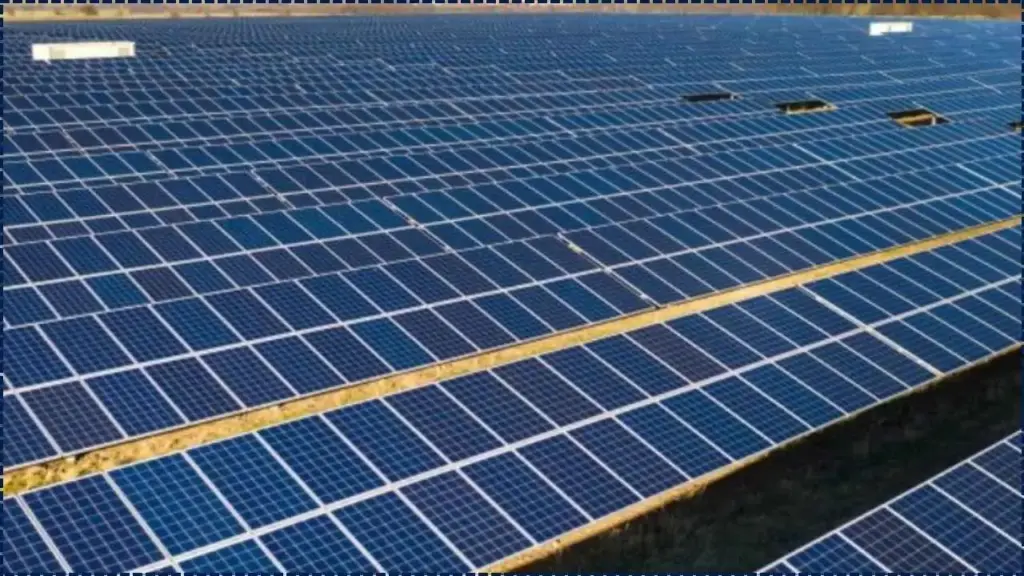
At the large solar power facility in Karnataka’s Koppal district, women from nearby communities are trained to operate and maintain solar infrastructure, marking a shift in the traditionally male-dominated energy sector.
A Solar Plant Powering Both Electricity and Opportunity
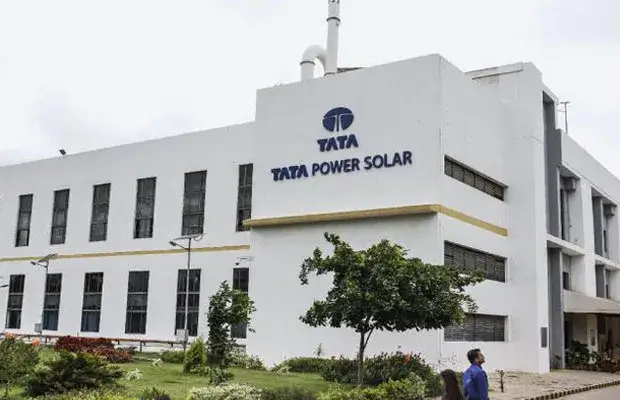
India’s rapid expansion of renewable energy infrastructure is transforming not only the country’s electricity mix but also its workforce. A notable example is the 300-megawatt solar power plant in Koppal, developed by Tata Power Renewable Energy Limited (TPREL), a subsidiary of Tata Power Company Limited.
The project forms part of India’s broader push toward low-carbon energy. Solar facilities of this scale supply electricity to the national grid while reducing greenhouse gas emissions from fossil fuel-based generation.
Alongside its technical operations, the project has also become a platform for social initiatives. Through the Sun Sheroes programme, local women are trained to work as solar technicians responsible for monitoring solar panels, conducting maintenance checks, and supporting plant operations.
According to Tata Power Renewable Energy Ltd., the initiative reflects the company’s approach to combining renewable energy development with community empowerment.
“Renewable energy projects should deliver environmental benefits as well as local economic opportunities,” the company said in a statement describing the programme.
Background: The Koppal Solar Project
The 300 MW solar facility in Koppal district is among the larger solar installations in southern India. Spread across hundreds of acres, the plant contains thousands of photovoltaic panels designed to convert sunlight into electricity.
Large solar projects typically include several operational components:
- Solar modules that capture sunlight and generate electricity
- Inverters that convert direct current into usable alternating current
- Monitoring systems that track performance and detect faults
- Transmission infrastructure connecting the plant to the power grid
Engineers and technicians oversee these systems to ensure uninterrupted power generation. Energy experts say facilities like Koppal are central to India’s clean energy expansion.
“Utility-scale solar projects are essential for meeting India’s renewable targets,” said Dr. Ritu Sharma, an energy policy researcher at The Energy and Resources Institute (TERI). “They also create opportunities to train a new generation of skilled workers.”
Training Women for Technical Roles
The Sun Sheroes programme focuses on training women from surrounding villages to perform operational tasks at the solar plant. Participants undergo structured training sessions that cover:
- Solar panel inspection and cleaning procedures
- Electrical safety and equipment handling
- Data monitoring through digital control systems
- Preventive maintenance techniques
- Workplace safety and environmental standards
Training programmes are conducted by engineers and technical staff associated with Tata Power Renewable Energy Ltd. For many participants, the programme represents their first exposure to technical employment.
“I had never worked in an engineering environment before joining the training,” one participant said in a company testimonial. “Now I understand how solar panels produce electricity and how we maintain them.” Experts say such programmes are important for bridging the gender gap in technical fields.
India’s Solar Expansion
India has become one of the world’s fastest-growing solar markets. According to the Ministry of New and Renewable Energy (MNRE), the country has significantly expanded its installed solar capacity over the past decade.
Government initiatives such as the Jawaharlal Nehru National Solar Mission, launched in 2010, laid the foundation for large-scale solar deployment. The mission aims to increase solar generation capacity while promoting domestic manufacturing and technological innovation.

India has also committed to expanding renewable energy under its climate pledges in the Paris Agreement, which seek to increase the share of non-fossil energy sources in the national power mix. Solar plants like the Koppal facility play an important role in achieving these targets.
Women in the Renewable Energy Workforce
Globally, women remain underrepresented in the energy sector, particularly in technical and engineering roles. However, renewable energy industries have shown somewhat higher participation rates compared with traditional energy sectors.
According to the International Renewable Energy Agency (IRENA), women account for roughly 32 percent of the global renewable energy workforce. Yet experts say leadership positions and technical roles remain male-dominated.
“Programmes that provide targeted training can help address this imbalance,” said Shalini Singh, a researcher focusing on gender and energy transitions in South Asia. “When women gain technical skills and employment opportunities in renewable energy, it benefits both economic development and gender equality.”
Impact on Local Communities
Koppal district in northern Karnataka has historically faced economic challenges, including limited industrial employment.
Large renewable energy projects can bring new economic activity to rural areas. During the construction phase, solar plants create temporary jobs for local labour. Once operational, they require technicians, maintenance workers, and administrative staff.
The Sun Sheroes programme adds a social dimension by focusing specifically on women’s employment. Local community leaders say the programme is helping shift perceptions about women working in technical sectors.
“In many rural areas, women have limited opportunities outside agriculture,” said a local development worker involved in community outreach. “When they see women working at the solar plant, it changes how people think about education and employment.”
Corporate Sustainability and Social Responsibility
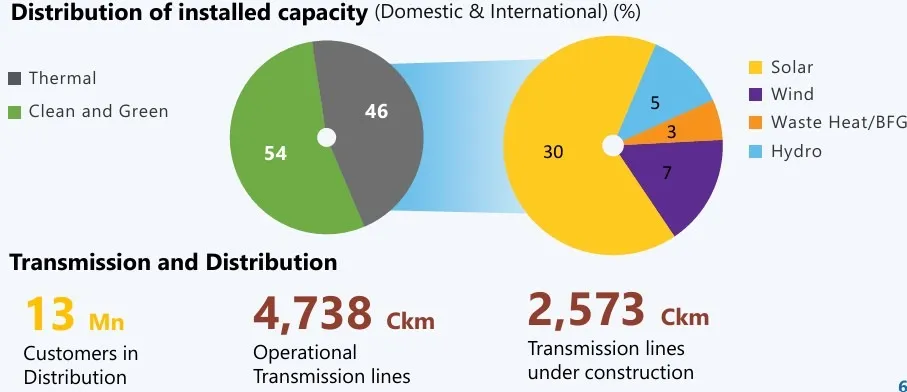
For Tata Power, the Koppal solar project is part of a broader strategy to expand renewable energy generation while integrating social development initiatives. The company has invested heavily in solar, wind, and hybrid renewable projects across India.
In corporate sustainability reports, the company has emphasised the importance of combining clean energy development with community engagement programmes.
“Empowering local communities strengthens the long-term sustainability of renewable projects,” Praveer Sinha, Chief Executive Officer and Managing Director of Tata Power Company Limited, has said in earlier statements on community initiatives.
The Climate and Economic Case for Solar Energy
India’s energy demand continues to grow alongside its expanding economy. Meeting this demand while reducing carbon emissions is one of the country’s key policy challenges. Solar energy offers several advantages:
- Zero fuel costs after installation
- Minimal operational emissions
- Rapid scalability compared with conventional power plants
- Reduced dependence on imported fossil fuels
According to energy analysts, large solar projects also stimulate investment in related sectors such as equipment manufacturing, grid infrastructure, and technical training. The Koppal solar project reflects this broader economic ecosystem.
Challenges for Gender Inclusion in the Energy Sector
Despite initiatives like Sun Sheroes, experts caution that barriers remain for women entering technical fields. These challenges include:
- Limited access to technical education in rural areas
- Social norms that discourage women from working in industrial settings
- Infrastructure limitations such as transport and workplace facilities
Industry observers say sustained efforts will be required to address these issues. “Companies and governments must invest in training, mentorship, and workplace support systems,” said Dr. Sharma of TERI. “Otherwise the gender gap may persist even as renewable energy expands.”
Related Links
From PM Surya Ghar to Green Hydrogen: Assessing India’s Solar Roadmap
India’s ‘Solar Bet’ Amidst Global Energy Crisis: Will Power Prices Rise?
Scaling the Model for the Future
Energy analysts say programmes like Sun Sheroes could serve as a model for other renewable projects across India.
As the country continues to build solar and wind installations, workforce training will become increasingly important. Including women in these programmes may expand the available talent pool while supporting social development goals.
“Renewable energy provides an opportunity to rethink workforce diversity,” said Singh. “If implemented effectively, initiatives like this can reshape how the energy sector operates.”
The Sun Sheroes: Women Empowerment at the Forefront of Tata Power’s 300 MW Koppal Solar Project initiative illustrates how renewable energy projects can serve multiple objectives. Beyond generating electricity and supporting climate goals, the programme provides technical training and employment opportunities for women in rural communities.
As India accelerates its shift toward clean energy, similar initiatives could help ensure that the benefits of the transition are shared widely across society.