Oriana Power Bags ₹1,180 Crore Order for 234 MW Floating Solar Project at Maithon Dam, marking a significant development in India’s renewable energy expansion.
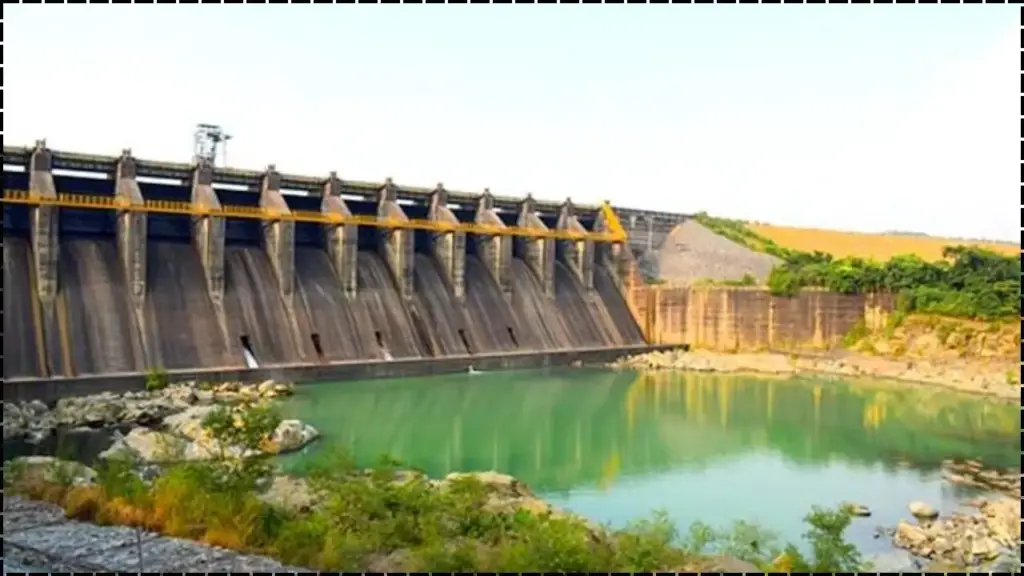
The contract, awarded by Damodar Valley Corporation (DVC), involves the construction of a grid-connected floating solar photovoltaic plant at the Maithon Dam reservoir in Jharkhand, reinforcing India’s push toward large-scale solar deployment and innovative renewable technologies.
Major Renewable Energy Contract for Oriana Power
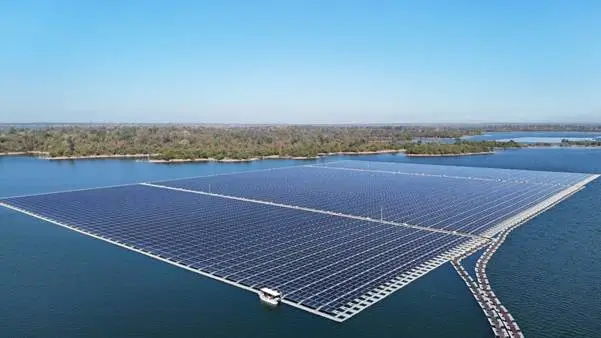
Renewable energy developer Oriana Power Limited has secured an engineering, procurement, and construction (EPC) contract valued at approximately ₹1,180.53 crore. The project will involve the development of a 234-megawatt floating solar photovoltaic (FSPV) plant on the Maithon Dam reservoir.
The contract was awarded by Damodar Valley Corporation, a government-owned utility that operates power stations, dams, and irrigation systems across the Damodar River basin covering Jharkhand and West Bengal.
Company officials said the project will include design, engineering, equipment procurement, installation, testing, commissioning, and long-term maintenance services. According to industry analysts, the contract represents one of the largest floating solar projects awarded to a private EPC contractor in India.
Project Scope and Implementation Timeline
EPC Structure
The project will be implemented under a multi-component contract structure including:
- Solar modules and electrical equipment supply
- Engineering and design of floating platforms
- Construction and installation of photovoltaic systems
- Grid connection infrastructure
- Operations and maintenance (O&M)
The project is expected to be completed within approximately 18 months from the contract award date. Electricity generated by the solar plant will be supplied to the regional grid managed by Damodar Valley Corporation.
About Oriana Power
Founded in 2013, Oriana Power Limited is an Indian renewable energy engineering company specialising in solar EPC services and distributed solar solutions. The company focuses on designing and executing large-scale solar power projects for industrial, commercial, and government clients.
Key Business Areas
Oriana Power’s operations include:
- Utility-scale solar EPC projects
- Floating solar installations
- Solar rooftop projects
- Solar-based open-access power supply
According to company disclosures, Oriana Power has delivered hundreds of megawatts of solar capacity across India and has an expanding pipeline of projects.
Winning the Maithon Dam project significantly strengthens the company’s order book and positions it among emerging EPC players in India’s renewable infrastructure sector.
Role of Damodar Valley Corporation
The Damodar Valley Corporation (DVC) was established in 1948 to manage floods, irrigation, and electricity generation in the Damodar River basin. The organisation operates a network of:
- Dams and reservoirs
- Thermal power plants
- Hydropower facilities
- Transmission infrastructure
In recent years, DVC has increased investments in renewable energy projects as part of India’s national climate strategy. Floating solar installations on existing reservoirs allow utilities like DVC to add renewable generation without acquiring additional land.
Understanding Floating Solar Technology
Floating solar power plants involve installing photovoltaic panels on buoyant structures anchored to water bodies. This technology has emerged as a promising solution for expanding solar energy capacity in regions where land availability is limited.
Advantages of Floating Solar
Experts highlight several benefits associated with floating solar installations.
Efficient Land Utilisation
Floating solar reduces the need for large land areas typically required for solar parks.
Improved Energy Efficiency
Water bodies naturally cool solar panels, which can improve electricity generation efficiency.
Water Conservation
Panels covering reservoir surfaces reduce sunlight exposure and can limit evaporation.
“Floating solar represents an efficient way to expand renewable energy without competing with agriculture or urban development for land,” said Rahul Tongia, senior fellow at the Brookings Institution India Center.
Power Generation and Environmental Impact
Energy experts estimate that a 234 MW solar plant can generate enough electricity to power hundreds of thousands of homes annually, depending on solar irradiation levels and operational efficiency.
In addition to providing clean electricity, floating solar installations can help reduce greenhouse gas emissions by replacing coal-based power generation. According to the International Renewable Energy Agency (IRENA), expanding solar capacity is essential for reducing carbon emissions and meeting global climate targets.
India’s Growing Floating Solar Market
Floating solar projects are expanding rapidly in India as developers explore innovative ways to scale renewable energy. Several large floating solar projects have already been commissioned. These include:
- NTPC floating solar plant in Kerala
- Omkareshwar Floating Solar Park in Madhya Pradesh
Industry analysts say India’s extensive network of reservoirs creates significant potential for floating solar deployment. According to renewable energy researchers, the country could develop tens of gigawatts of floating solar capacity over the coming decades.
Policy Support for Renewable Energy
India’s renewable energy expansion is driven by several national initiatives. Key programmes include:
- National Solar Mission
- Solar Energy Corporation of India (SECI) auctions
- Renewable Purchase Obligations for electricity utilities
The government has also introduced incentives encouraging the development of innovative solar technologies, including floating solar.
India has committed to installing 500 gigawatts of non-fossil fuel electricity capacity by 2030, according to the Ministry of New and Renewable Energy (MNRE). Large projects such as the Maithon floating solar plant contribute directly to achieving that target.
Market Reaction and Investor Response
Following the announcement of the project, shares of Oriana Power experienced increased investor attention. Market analysts say large infrastructure contracts typically provide companies with long-term revenue visibility and stronger order pipelines.
However, investors also remain cautious about execution risks. Large energy infrastructure projects often face challenges such as supply chain delays, weather disruptions, and technical complexities.
“Successful delivery will be the key factor determining the project’s long-term financial impact,” said Anand Tandon, an independent market analyst.
Technical Challenges of Floating Solar
Despite its advantages, floating solar technology involves several engineering challenges.
Anchoring Systems
Floating solar arrays must remain stable despite water level fluctuations and wind forces.
Maintenance Operations
Routine inspections and repairs must often be performed from boats or floating platforms.
Higher Initial Costs
Floating solar projects generally require higher upfront investment compared with ground-mounted solar installations. Researchers from the National Renewable Energy Laboratory (NREL) note that careful design and engineering are essential for long-term reliability.
Global Context of Floating Solar Development
Floating solar projects are gaining popularity worldwide. Countries including China, Japan, Singapore, and the Netherlands have developed large floating solar installations.
The International Energy Agency (IEA) reports that floating solar capacity globally has increased significantly in the past decade. Experts say reservoir-based solar power could become an important component of global renewable energy infrastructure.
Future Outlook for Floating Solar in India
Energy analysts believe floating solar could become an important part of India’s long-term renewable energy strategy. Reservoir-based solar plants allow power utilities to maximise existing infrastructure while reducing environmental impact.
Large projects like the Maithon Dam installation may encourage additional floating solar developments across India’s hydroelectric reservoirs. Experts say continued policy support and technological innovation will determine how quickly the sector expands.
Related Links
Government to Provide Free Solar Panels for BPL Families: Step-by-Step Application Guide
Technique Solaire Successfully Commissions 2.8 MWp Solar Project in Haryana Under PM-KUSUM
The ₹1,180-crore contract awarded to Oriana Power for the 234 MW floating solar project at Maithon Dam represents a major step in India’s renewable energy expansion.
The project combines innovative solar technology with existing reservoir infrastructure, allowing clean electricity generation without additional land requirements.
If completed on schedule, the project could become one of India’s largest floating solar installations and strengthen the country’s progress toward long-term renewable energy and climate goals.