
A proposed utility-scale solar development in Jefferson County, New York, has sparked a debate between renewable energy expansion and environmental protection.
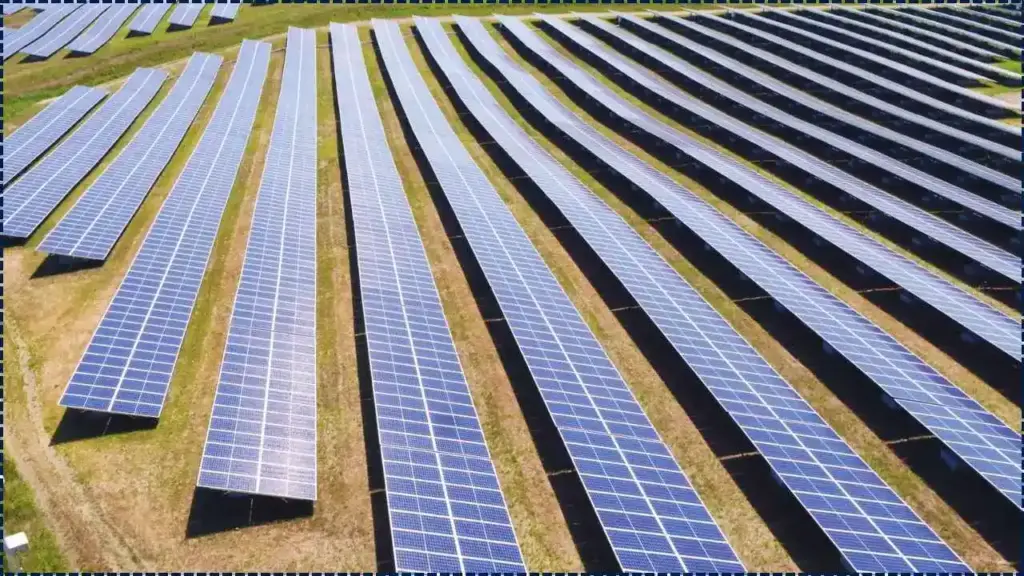
The controversy, widely described as Solar vs. Nature: Jefferson County Project Faces Backlash Over Rare Ecosystem Impact, centers on whether the project could disturb a rare limestone habitat known as an alvar ecosystem, one of North America’s most fragile ecological landscapes.
Jefferson County Project Faces Backlash
| Key Fact | Detail |
|---|---|
| Proposed project | Limestone Solar project, approx. 150 MW capacity |
| Electricity output | Could power 20,000+ homes annually |
| Environmental concern | Potential impacts near alvar ecosystem habitat |
| Climate policy context | New York targets 70% renewable electricity by 2030 |
Renewable Energy Project at the Center of Debate
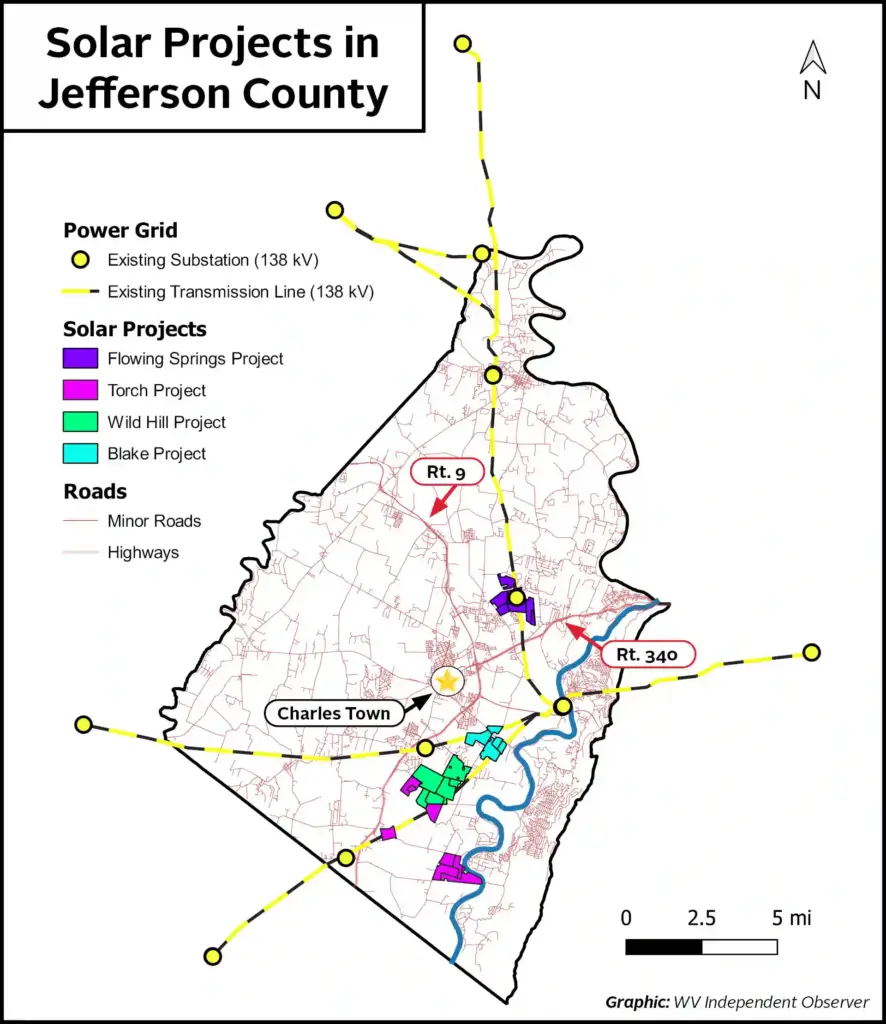
The dispute focuses on the proposed Limestone Solar project, a utility-scale photovoltaic facility planned for the Town of Lyme in Jefferson County, near Lake Ontario. The project is being developed by AES Corporation, a global energy company that builds renewable energy infrastructure across several countries.
According to project information released by the company, the facility could produce around 150 megawatts of electricity, enough to supply power to roughly 20,000 homes annually.
Developers say the project would contribute to New York’s transition away from fossil fuels and help the state meet its renewable energy targets. However, environmental scientists and conservation groups argue that the project site lies close to one of the most ecologically sensitive landscapes in the region. That landscape is known as an alvar ecosystem.
Understanding Alvar Ecosystems
A Rare Geological Landscape
Alvars are unusual ecosystems that form on flat limestone bedrock with extremely thin soil layers. These landscapes experience extreme environmental conditions. During spring, they may become temporarily flooded, while summer droughts can leave the ground almost completely dry.
Because of these conditions, only highly specialized plant species can survive. Most alvars in North America occur around the Great Lakes region, particularly in Ontario, Michigan, and northern New York. Scientists classify these habitats as globally rare.
According to conservation studies conducted by The Nature Conservancy, only a small percentage of the world’s alvar ecosystems remain undisturbed.
The Chaumont Barrens Preserve
Near the proposed solar project lies the Chaumont Barrens Preserve, one of the largest protected alvar habitats in the northeastern United States. The preserve supports rare plant communities that have evolved to survive in limestone-dominated environments.
Species commonly found there include:
- Prairie smoke
- Early buttercup
- Indian paintbrush
- Rare grasses and lichens
The ecosystem also provides habitat for birds that rely on open grasslands. One notable species is the short-eared owl, which uses wide, open landscapes for hunting and nesting.
Scientific Concerns About Habitat Disturbance
Environmental scientists say even modest construction activity can significantly affect alvar landscapes. Utility-scale solar installations typically require land preparation such as:
- Vegetation clearing
- Road construction
- Panel mounting infrastructure
- Electrical transmission connections
These activities can alter drainage patterns and disturb fragile soil layers.
Todd Bittner, director of natural areas at Cornell Botanic Gardens, has described alvar communities as “globally imperiled ecosystems.” Ecologists say once the limestone substrate is disrupted, restoring the original ecosystem is extremely difficult.
Because of this sensitivity, conservationists have urged developers and regulators to conduct detailed environmental impact studies before approving construction.
Developer Response and Environmental Surveys
AES has stated that the company is aware of ecological concerns and is working with environmental experts to evaluate the project site. According to company statements, environmental surveys have been conducted to identify:
- Rare plant species
- Sensitive wildlife habitat
- Wetlands and protected landscapes
The developer says the project design aims to avoid known alvar areas, including the nearby Chaumont Barrens Preserve.AES also argues that solar infrastructure typically has a relatively low physical footprint, since panels are mounted above the ground.
Vegetation can often continue growing beneath solar arrays, and some facilities are designed to support pollinator-friendly plantings. At the end of the project’s operational life, the company says the land could be restored through a decommissioning plan.
Regulatory Approval Process
Large renewable energy projects in New York must be approved by the New York Office of Renewable Energy Siting (ORES). ORES was created to streamline approval of renewable energy infrastructure while maintaining environmental protections. The review process typically includes:
- Environmental impact assessments
- Wildlife habitat studies
- Public consultation periods
- Local government input
- Final regulatory approval or rejection
If approved, the project would still need to meet mitigation requirements designed to reduce environmental damage.
New York’s Climate Policy Goals
The Jefferson County debate occurs within the context of New York’s aggressive climate policy framework. The state’s Climate Leadership and Community Protection Act (CLCPA) requires:
- 70 percent renewable electricity by 2030
- 100 percent carbon-free electricity by 2040
Meeting those targets will require rapid construction of renewable energy facilities, including solar farms, wind turbines, and battery storage systems. Energy analysts say the scale of this infrastructure expansion will inevitably raise questions about land use.
Land-Use Conflicts in Renewable Energy Expansion
The Jefferson County dispute reflects a broader issue facing renewable energy development across the United States. Solar farms require large, open areas with strong sunlight exposure. These locations sometimes overlap with farmland, wildlife habitats, or scenic landscapes.
In recent years, similar conflicts have emerged in several states. For example:
- Solar projects in California have faced concerns about desert wildlife habitat.
- Wind farms in the Midwest have raised issues related to bird migration routes.
- Agricultural communities in parts of the Midwest have debated farmland conversion for solar arrays.
Energy planners say these disputes highlight the need for more careful siting strategies.
Economic Impact on Local Communities
Supporters of the Jefferson County solar project say it could provide economic benefits. Utility-scale solar projects often generate:
- Lease payments for landowners
- Construction jobs
- Local tax revenue for schools and municipal services
AES estimates that the Limestone Solar project could contribute millions of dollars in tax revenue over its lifetime. Some residents view such projects as an opportunity for rural economic development.
However, others worry about potential effects on tourism, property values, and the character of the rural landscape.
Strategies to Reduce Environmental Conflicts
Energy policy experts say renewable development can reduce ecological conflicts through better planning. One approach known as “smart siting” prioritizes solar development on land that has already been disturbed.
Examples include:
- Former industrial sites
- Brownfields
- Closed landfills
- Commercial rooftops
- Degraded farmland
Such strategies allow renewable energy expansion while protecting sensitive ecosystems. Researchers say combining solar generation with agriculture, known as agrivoltaics, may also help reduce land-use conflicts.
अडानी की इस कंपनी ने किया 24% मुनाफा! शेयरों पर मची लूट – निवेशक बोले, 'ऐसा मौका बार-बार नहीं मिलता!
The Future of the Jefferson County Project
The Limestone Solar project remains in the planning and regulatory review stage. Developers are expected to submit detailed project documentation to the Office of Renewable Energy Siting for evaluation.
The process could take months or longer, depending on the complexity of environmental studies and public feedback. Environmental groups say they hope regulators will carefully examine the ecological risks before approving construction.
Renewable energy developers, meanwhile, argue that rapid deployment of clean energy infrastructure is essential to addressing climate change.
Related Links
Net Metering Changes: What the new grid regulations mean for your solar savings
State-by-State Solar Guide: Which US states offer the best solar rebates in 2026?
The dispute captured in Solar vs. Nature: Jefferson County Project Faces Backlash Over Rare Ecosystem Impact reflects the broader challenge of balancing climate action with biodiversity conservation.
Renewable energy infrastructure is essential for reducing greenhouse gas emissions, but its development must also consider the protection of fragile ecosystems.
As regulators review the Jefferson County solar proposal, the outcome may shape how future renewable energy projects are planned in environmentally sensitive regions across the United States.
FAQs
What is the Limestone Solar project?
It is a proposed 150-megawatt solar farm in Jefferson County, New York, capable of producing electricity for roughly 20,000 homes.
Why are scientists concerned?
Researchers say the project area lies near rare alvar ecosystems, fragile limestone habitats that support specialized plants and wildlife.
Who approves renewable energy projects in New York?
Large renewable projects must be reviewed and approved by the New York Office of Renewable Energy Siting (ORES).
What is an alvar ecosystem?
An alvar is a rare habitat formed on limestone bedrock with very thin soil, supporting unique plant and animal species adapted to harsh conditions.