
Under Goa’s Green Initiative: 11,000+ Rooftop Solar Systems to Be Installed Under PM Surya Ghar, the state government plans to expand residential solar power adoption as part of India’s national rooftop solar programme.
The initiative aims to reduce electricity costs for households while supporting the country’s broader renewable energy targets and climate commitments.
Goa’s Rooftop Solar Expansion Plan
The Government of Goa has announced plans to install over 11,000 rooftop solar systems across the state under the Pradhan Mantri Surya Ghar: Muft Bijli Yojana, a flagship programme launched by the Government of India in 2024.
According to information presented in the Goa Legislative Assembly by Energy Minister Ramakrishna Dhavalikar, the state aims to install 11,365 rooftop solar systems during the programme’s implementation phase.
Officials say the initiative is designed to encourage households to generate electricity through rooftop solar panels, reducing dependence on conventional power sources.
The programme forms part of Goa’s broader renewable energy strategy and aligns with national efforts to expand decentralised solar power generation.
Rooftop Solar Adoption Already Increasing
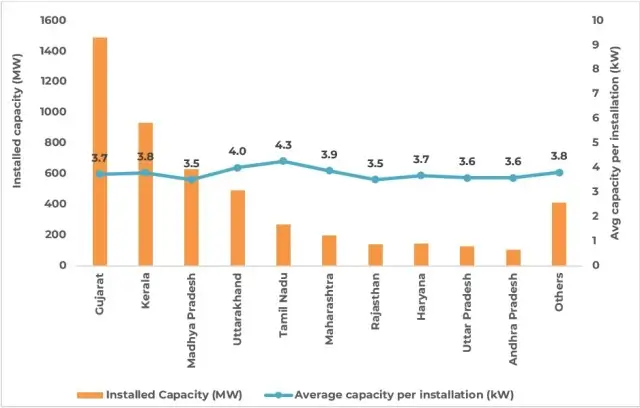
Solar adoption in Goa has been steadily rising over the past few years. Government data shows that 2,961 rooftop solar installations have been completed across the state in the past three years.
These systems are distributed across several talukas. The highest number of installations has been recorded in Salcete, followed by Bardez and Tiswadi. Other areas with solar installations include:
- Ponda
- Mormugao
- Bicholim
Officials say this gradual increase reflects growing awareness of renewable energy benefits among households.
Role of the Goa Energy Development Agency
Implementation of the rooftop solar programme in the state is being coordinated by the Goa Energy Development Agency (GEDA). GEDA is responsible for promoting renewable energy technologies across the state.
The agency assists households in:
- Applying for solar subsidies
- Connecting systems to the electricity grid
- Coordinating with installation companies
Officials say GEDA has also launched awareness programmes to inform residents about the benefits of rooftop solar installations. The agency works closely with electricity distribution companies to ensure smooth integration of solar systems into the grid.
Solar Installations on Government Buildings
The state government has also expanded solar adoption across public infrastructure. According to official data, rooftop solar systems have already been installed on 50 government buildings across Goa.
Plans are underway to install systems on approximately 383 additional government buildings. These installations could generate about 30 megawatts of solar power, reducing electricity expenditure for government departments.
Officials say public sector solar installations help demonstrate the practicality of rooftop solar technology.
Understanding the PM Surya Ghar Muft Bijli Yojana
The Pradhan Mantri Surya Ghar: Muft Bijli Yojana is one of India’s largest rooftop solar initiatives. Launched by the Government of India in 2024, the programme aims to install solar systems on one crore households nationwide.
The scheme seeks to promote distributed renewable energy generation while providing financial support to households. Under the programme, eligible households receive subsidies to install rooftop solar systems.
The government has stated that beneficiaries could receive up to 300 units of free electricity per month, depending on system size and electricity consumption.
Financial Incentives for Households
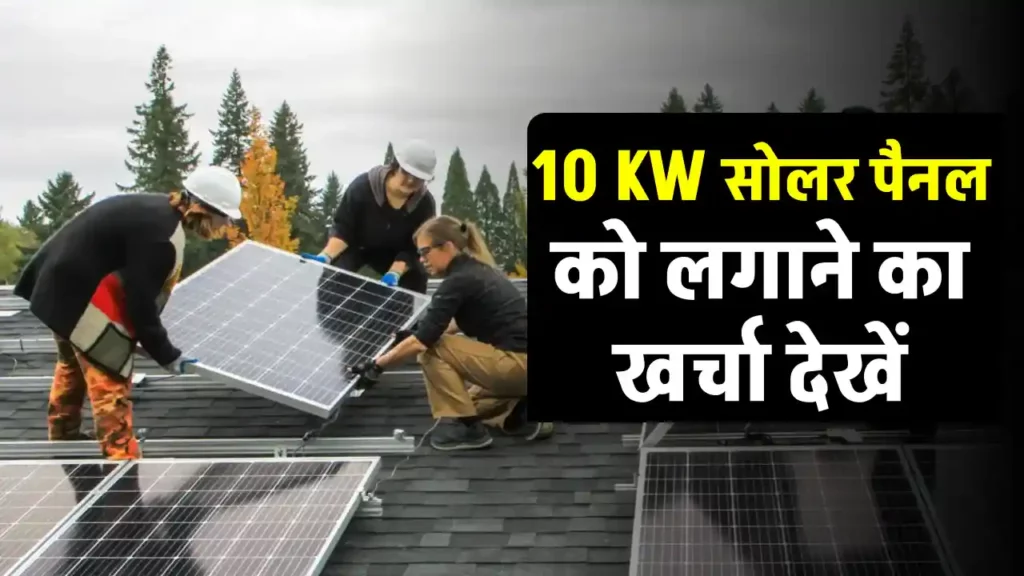
The PM Surya Ghar scheme provides significant financial incentives to encourage rooftop solar adoption. For a 3 kilowatt rooftop solar system, households can receive subsidies covering a large portion of installation costs.
In Goa, the total subsidy available for such systems can range from ₹1.8 lakh to ₹2 lakh, depending on system capacity and additional state support. These subsidies reduce the upfront investment required from households.
Energy experts say financial incentives are essential for accelerating rooftop solar adoption in residential areas.
How Households Can Apply
Residents interested in installing rooftop solar systems can apply through the official PM Surya Ghar online portal. The application process typically involves several steps:
- Registering on the national portal
- Selecting an approved solar installation vendor
- Submitting documents for subsidy approval
- Installing the rooftop solar system
- Connecting the system to the electricity grid through net metering
Government officials say the digital portal has simplified the process compared with earlier rooftop solar programmes.
Net Metering and Grid Integration
Rooftop solar systems operate through a system known as net metering. Under net metering, households generate electricity from solar panels during the day. If the system produces more electricity than the household consumes, the surplus energy is exported to the electricity grid.
Consumers receive credits on their electricity bills for this excess power. Energy planners say net metering helps improve the financial viability of rooftop solar systems.
Contribution to India’s Renewable Energy Targets
India has significantly expanded solar energy capacity over the past decade. Under the National Solar Mission, the country set an initial target of 100 gigawatts of solar capacity, which was achieved in 2025.
The government has since adopted a broader target of 500 gigawatts of non-fossil fuel electricity capacity by 2030. Distributed solar installations, such as rooftop systems, play a critical role in achieving these targets.
Unlike large solar parks that require large land areas, rooftop systems utilise existing buildings and infrastructure.
Environmental Benefits
Solar energy generates electricity without releasing greenhouse gases during operation. By installing rooftop solar systems across thousands of households, Goa could significantly reduce carbon emissions from conventional electricity generation.
Energy analysts say decentralised solar systems also reduce transmission losses because electricity is generated close to where it is consumed. This improves overall energy efficiency in the electricity network.
Economic Opportunities From Solar Expansion
The expansion of rooftop solar installations is expected to create economic opportunities. The solar sector requires skilled workers in areas such as:

- Solar panel manufacturing
- Electrical installation
- System design and engineering
- Maintenance services
Industry experts say the growth of rooftop solar programmes could create thousands of jobs across India’s renewable energy sector. Local solar installation companies are expected to benefit from increased demand.
Challenges Facing Rooftop Solar Deployment
Despite strong government support, rooftop solar adoption still faces challenges. These include:
- High upfront installation costs for some households
- Limited awareness of subsidy programmes
- Administrative delays in approvals
- Technical constraints in older buildings
Energy experts say improving public awareness and simplifying administrative processes will be important for accelerating adoption.
Energy Demand and Tourism in Goa
Goa’s electricity demand is influenced by its tourism-driven economy. Seasonal increases in tourism significantly raise electricity consumption, particularly during peak travel months.
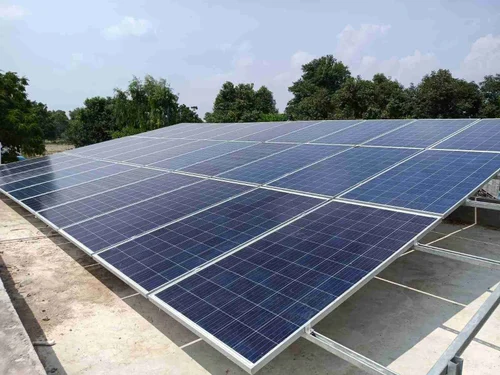
Expanding rooftop solar installations could help manage these fluctuations by generating electricity locally during daylight hours. Energy planners say distributed solar systems are particularly useful in states with variable electricity demand.
Future Solar Expansion in Goa
Officials say the installation of over 11,000 rooftop solar systems represents only the first phase of Goa’s broader renewable energy strategy. Future initiatives may include:
- Expansion of rooftop solar in commercial buildings
- Solar installations in tourism infrastructure
- Solar-powered electric vehicle charging stations
Energy planners say such initiatives could further strengthen Goa’s position as a state promoting sustainable energy.
Related Links
India’s Solar Module Imports Surged Ahead of 2024 ALMM Deadline: MNRE Data Reveals
Net Metering Changes: What the new grid regulations mean for your solar savings
The initiative titled Goa’s Green Initiative: 11,000+ Rooftop Solar Systems to Be Installed Under PM Surya Ghar represents a significant step toward expanding decentralised renewable energy generation.
By encouraging households to generate their own electricity, the programme aims to reduce electricity costs while supporting India’s clean energy transition.
Officials say the success of the initiative will depend on continued public participation and effective implementation across the state.