
India’s rapidly expanding renewable energy sector is increasing demand for trained technicians, prompting the launch of Free Solar PV Training 2026 programmes across the country.
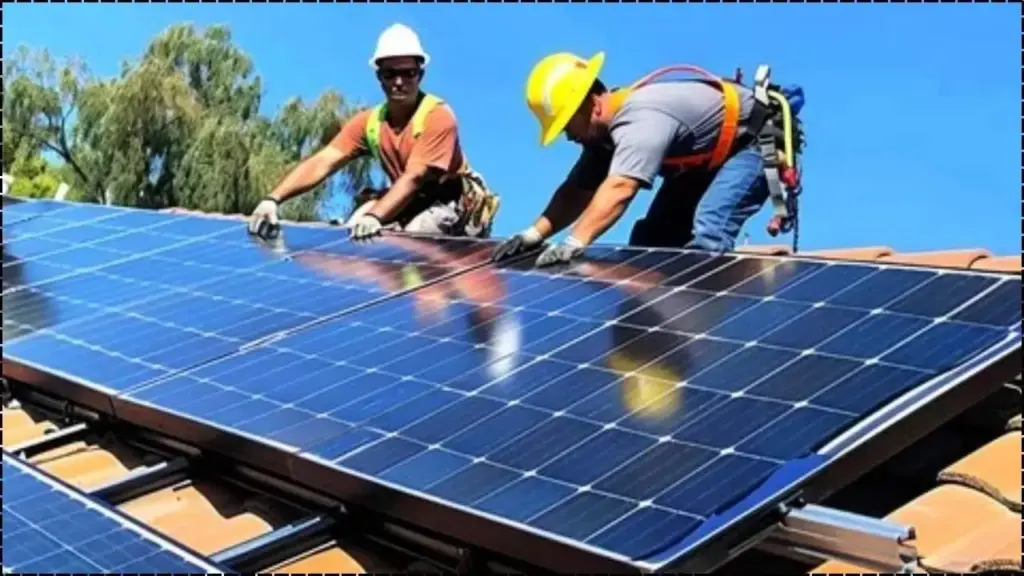
Government agencies, industry partners and technical institutes are offering hands-on courses designed to prepare workers for jobs in solar installation, system design and maintenance.
India’s Solar Expansion Creates New Workforce Demand
India is pursuing one of the world’s largest clean energy transitions. The government has committed to installing 500 gigawatts (GW) of non-fossil fuel electricity capacity by 2030, a goal announced by Prime Minister Narendra Modi at global climate negotiations.
Solar energy is expected to account for a large share of that capacity. According to the International Renewable Energy Agency (IRENA), India’s installed solar capacity has grown dramatically over the past decade, rising from less than 10 GW in 2015 to more than 70 GW today.
However, large-scale deployment requires a trained workforce. “India’s renewable energy ambitions depend heavily on skilled technicians and engineers,” said Rahul Tongia, a senior fellow at the Brookings Institution India Center. “Without workforce development, solar deployment could slow.”
This workforce gap has led to a surge in training initiatives under the Free Solar PV Training 2026 programmes.
Government-Led Solar Training Initiatives
Suryamitra Skill Development Programme
One of the most prominent initiatives is the Suryamitra Skill Development Programme, implemented by the National Institute of Solar Energy (NISE) under the Ministry of New and Renewable Energy (MNRE).
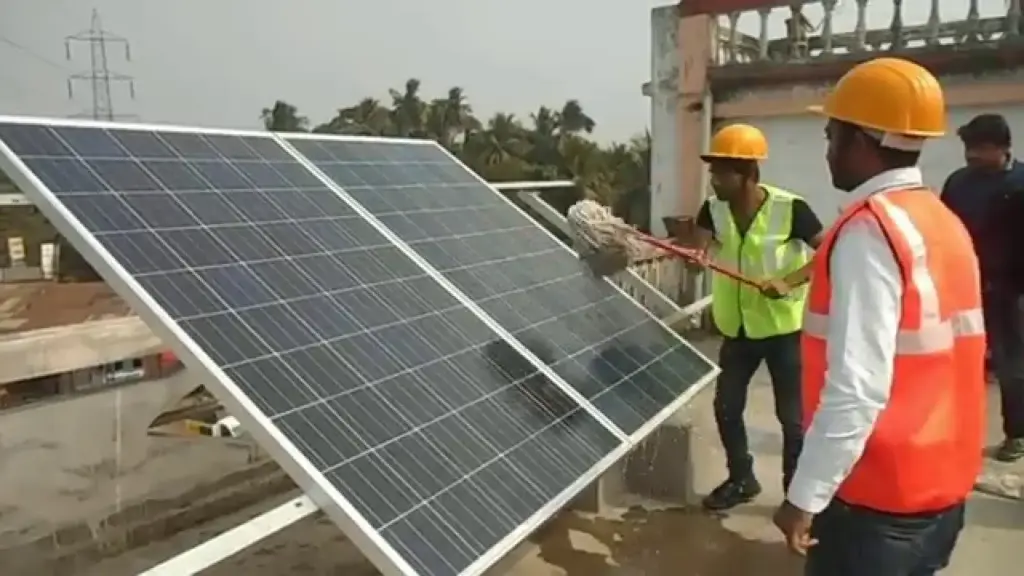
The programme provides around 600 hours of technical training, combining classroom instruction with field practice. Participants learn:
- Solar photovoltaic system design
- Rooftop solar installation
- Inverter and battery integration
- Electrical wiring and safety standards
- Solar plant operation and maintenance
The programme has trained tens of thousands of solar technicians across India since its launch. “The purpose of the programme is to create a dedicated solar workforce capable of supporting India’s energy transition,” said Ved Prakash, chief executive officer of the Skill Council for Green Jobs (SCGJ).
Graduates often find employment with solar installation firms, EPC contractors, or renewable energy developers.
Skill India Mission and Green Jobs Training
Solar training programmes are also linked to the Skill India Mission, a national initiative aimed at preparing India’s workforce for emerging industries. The Skill Council for Green Jobs, supported by the National Skill Development Corporation (NSDC), develops occupational standards for solar jobs such as:
- Solar PV Installer
- Solar Maintenance Technician
- Solar Plant Supervisor
- Solar Project Engineer
According to the council, India’s renewable energy sector could create over one million jobs by 2030, particularly as rooftop solar adoption accelerates.
“Green jobs will become one of the fastest-growing employment sectors in India,” said Gurpreet Singh, an energy analyst at the Council on Energy, Environment and Water (CEEW).
Rooftop Solar Expansion Drives Demand for Skills
A key factor behind the expansion of Free Solar PV Training 2026 is the government’s rooftop solar initiative, PM Surya Ghar: Muft Bijli Yojana. The scheme aims to install solar panels on millions of homes across the country, allowing households to generate their own electricity.
According to the Ministry of New and Renewable Energy, the programme could dramatically increase demand for installation technicians. Unlike large solar farms, rooftop solar projects require workers to travel to individual homes and businesses to install systems.
“Rooftop solar creates thousands of distributed installation jobs,” said Tongia. “That significantly increases demand for trained technicians.”
Private Sector Participation in Solar Training
Private training institutes and solar companies are also expanding technical courses. Many offer short-term programmes ranging from three to six months, often including industry internships. Typical modules include:
- Solar system design software
- Electrical testing and diagnostics
- Battery storage integration
- Solar project economics
- Entrepreneurship training
Experts say private sector involvement strengthens the training ecosystem. “Industry partnerships ensure trainees gain practical skills that match real project requirements,” said Anjali Jain, a renewable energy consultant in Mumbai.
Some companies recruit directly from training centres, offering placement assistance to graduates.
Eligibility and Application Process
Most Free Solar PV Training 2026 programmes are open to young people with basic technical education. Typical eligibility criteria include:
- Minimum qualification: 10th or 12th pass
- ITI electricians or diploma holders are often preferred
- Age range typically 18–35 years
Application procedures usually involve online registration through training institute portals or government skill development platforms. Some programmes also provide stipends or hostel facilities for trainees.
Real-World Impact: A Trainee’s Perspective
For many participants, solar training represents a pathway to stable employment. Rakesh Kumar, a 24-year-old technician from Uttar Pradesh, enrolled in a solar training programme after completing an electrical ITI course.
“Before the training, I had only basic electrical knowledge,” Kumar said. “Now I can install and maintain rooftop solar systems.” He currently works with a regional solar installation company and earns a steady monthly income. Stories like Kumar’s highlight the growing opportunities within the solar industry.
Global Comparison: Solar Workforce Programs Worldwide
India is not alone in investing in renewable energy training. Countries such as Germany, the United States and China have launched similar workforce development programmes. According to the International Energy Agency (IEA), the solar sector accounted for the largest share of renewable energy employment globally.
Worldwide renewable energy employment reached over 13 million jobs in 2023, with solar photovoltaic roles representing the biggest category. “Workforce training is essential to meet climate targets,” the IEA said in its renewable energy employment report.
Economic and Environmental Impact
Expanding solar energy capacity offers both economic and environmental benefits. Solar power reduces reliance on fossil fuels and lowers greenhouse gas emissions. According to the United Nations Environment Programme (UNEP), large-scale solar deployment is critical for limiting global temperature increases.
At the same time, solar development stimulates local economies by creating jobs in installation, manufacturing and maintenance. “Clean energy industries can generate both employment and environmental benefits,” said Fatih Birol, executive director of the International Energy Agency.

Future Skills: Battery Storage and Smart Solar Systems
Solar training programmes are also evolving to reflect technological changes. Modern solar systems increasingly integrate:
- Battery storage technologies
- Smart inverters
- AI-based monitoring systems
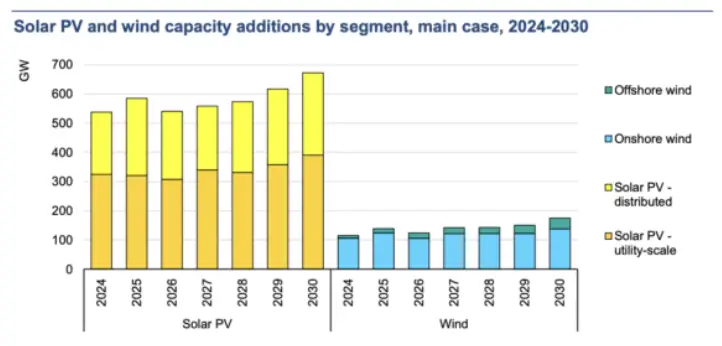
- Hybrid renewable systems combining solar and wind
Training institutions are gradually incorporating these technologies into course curricula. Experts say these advanced skills will become increasingly important as renewable energy systems become more complex.
Challenges in Solar Workforce Development
Despite progress, some challenges remain. One concern is maintaining consistent training standards across institutions. Experts say stronger accreditation systems are needed to ensure quality training.
“There must be clear certification and monitoring processes,” said Debashish Majumdar, chairman of the Indian Renewable Energy Development Agency (IREDA). Another issue is ensuring that trainees find employment after completing their courses. Placement partnerships with solar companies are therefore considered essential.
Related Links
Top 3 Renewable Energy ETFs to Watch in the US Market
Waaree Energies to Invest ₹6,200 Crore in India’s Largest 10 GW Ingot-Wafer Facility
Outlook for Free Solar PV Training 2026
As India accelerates its renewable energy transition, demand for skilled workers is expected to grow. The Free Solar PV Training 2026 programmes represent an important effort to prepare the workforce for that transformation.
For many young people, particularly those from technical backgrounds, solar training offers a gateway into a rapidly expanding industry. “Renewable energy will play a central role in India’s future economy,” said Ved Prakash of the Skill Council for Green Jobs.
“With the right training, young people can build sustainable careers while contributing to the country’s clean energy goals.”
India’s ambitious renewable energy targets are reshaping the country’s workforce needs. Through initiatives such as Free Solar PV Training 2026, government agencies, training institutes and private companies aim to equip thousands of workers with the skills required for solar installation and maintenance.
As solar power deployment continues to expand, these programmes could become a cornerstone of India’s clean energy transition, creating jobs while supporting the country’s climate commitments.