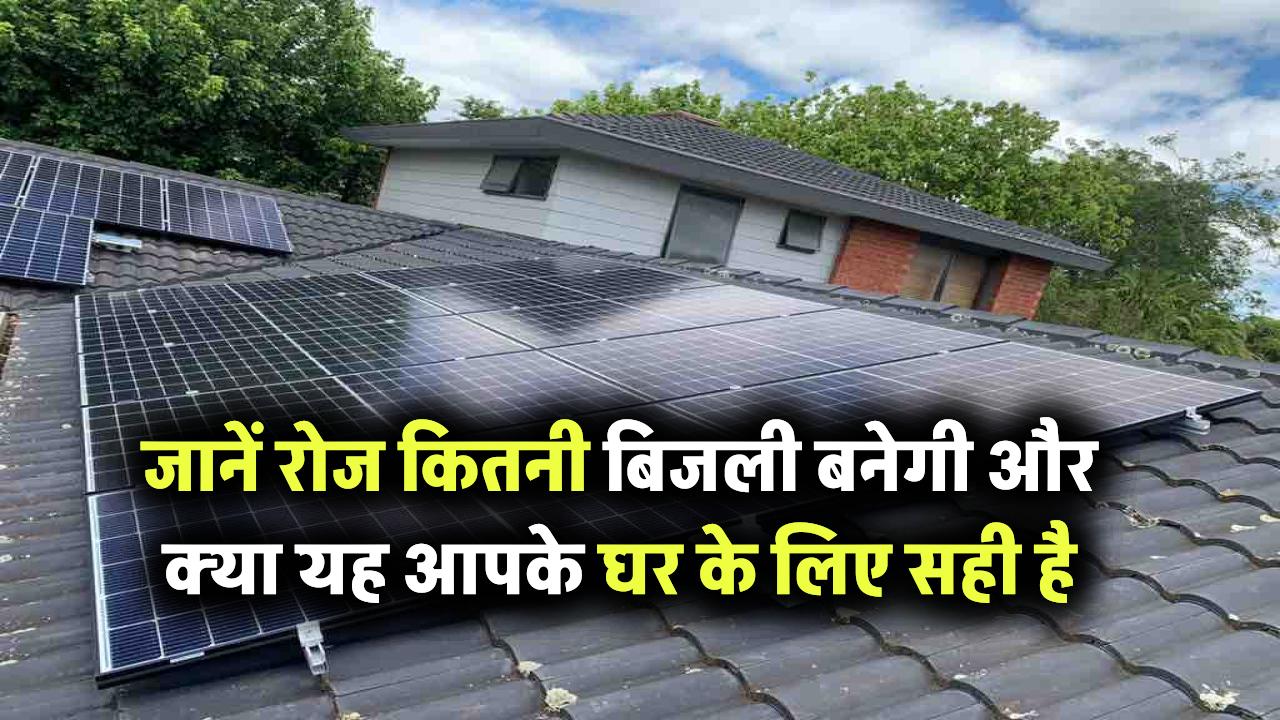
The development titled “Sunsure Energy Secures ₹606 Crore Debt Funding for 242 MWp Solar Projects in UP & Maharashtra” marks a significant milestone in India’s clean energy transition.

Announced in March 2026, the financing will support solar projects designed to supply power to commercial and industrial users, reflecting growing investor confidence and increasing demand for sustainable energy solutions.
Overview of Sunsure Energy Secures ₹606 Crore Debt Funding for 242 MWp Solar Projects in UP & Maharashtra
India-based renewable energy company Sunsure Energy has secured approximately ₹606 crore in debt financing to develop over 242 MWp of solar power capacity across Uttar Pradesh and Maharashtra.
The funding involves participation from infrastructure-focused financial institutions and private banks, reflecting strong lender confidence in renewable energy assets.
According to company statements, the capital will be used to build solar projects aimed at commercial and industrial (C&I) consumers, a segment witnessing rapid growth in India.
Project Scale, Output, and Environmental Impact
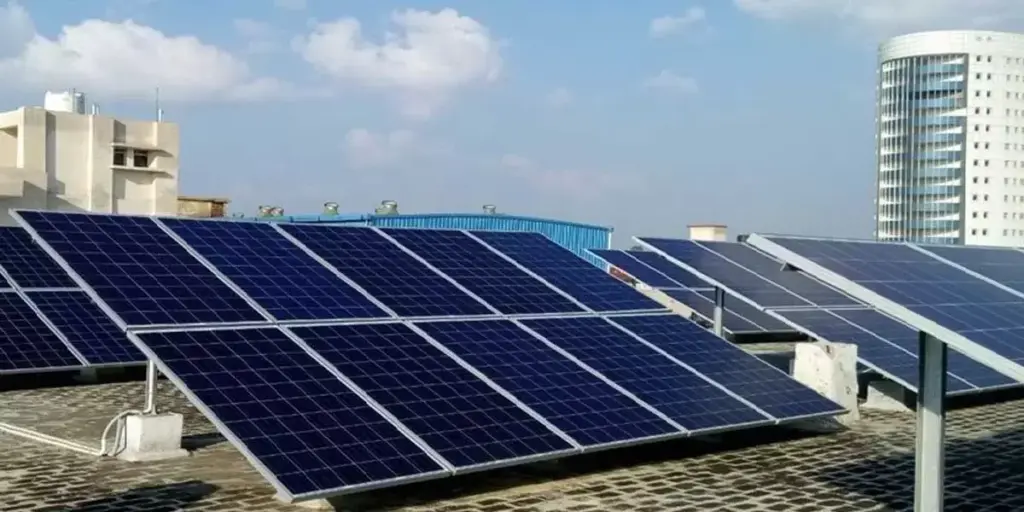
The 242 MWp portfolio represents a substantial addition to India’s distributed solar capacity.
Key Projections:
- Annual electricity generation: ~300 million units
- CO₂ emissions reduction: Over 200,000 tonnes annually
These projects will displace fossil fuel-based electricity, contributing to India’s climate commitments under international agreements.
Business Model: Commercial and Industrial Solar Demand
The projects are designed for commercial and industrial (C&I) customers, which include manufacturing units, data centres, and large businesses.
Power Purchase Agreements (PPAs)
Under this model:
- Companies sign long-term contracts to buy solar power
- Electricity is supplied at predictable tariffs
- Businesses reduce exposure to grid price fluctuations
Tariff Advantage
Industry estimates suggest that solar power tariffs for C&I consumers can be 20–30% lower than conventional grid tariffs, depending on state policies and open access charges.This cost advantage is a key driver of demand.
Open Access and Grid Integration
What is Open Access?
Open access allows large consumers to purchase electricity directly from generators rather than local distribution companies.
Role in Solar Adoption
- Enables industries to access cheaper renewable power
- Facilitates long-term energy planning
- Supports corporate sustainability goals
However, experts note that regulatory variations across states can impact project viability.
Strategic Importance of Uttar Pradesh and Maharashtra
Industrial Ecosystems
- Maharashtra: A leading industrial and financial hub with high power demand
- Uttar Pradesh: Rapidly expanding industrial base and infrastructure growth
These states offer strong demand for clean energy solutions, particularly among energy-intensive industries.
Policy Support
Both states have introduced measures such as:
- Renewable energy policies
- Industrial decarbonisation initiatives
- Open access frameworks
These policies create a favourable environment for solar investments.
Financing Structure and Investor Perspective
The ₹606 crore debt financing reflects broader trends in green investment.
Why Investors Are Interested
Renewable energy projects offer:
- Stable, long-term cash flows
- Predictable returns through PPAs
- Alignment with ESG (Environmental, Social, Governance) criteria
An infrastructure finance expert noted, “Solar assets have become attractive to lenders due to their relatively low operational risk and steady revenue streams.”
Risk-Return Considerations
While attractive, these investments carry risks:
- Policy changes at state level
- Counterparty risk in PPAs
- Grid integration delays
Investors typically mitigate these risks through diversified portfolios and due diligence.
Company Profile: Sunsure Energy’s Growth Strategy
Founded in 2014, Sunsure Energy focuses on providing renewable energy solutions to businesses.
Key Highlights:
- Operational capacity: ~700 MW
- Development pipeline: Over 7 GW
- Target: 10 GW capacity by 2030
The company is backed by global investor Partners Group, indicating strong international confidence.
Execution Timeline and Project Rollout
Expected Phases:
- Financial closure (completed)
- Land acquisition and approvals
- Engineering, procurement, and construction (EPC)
- Grid connectivity and commissioning
Projects are typically expected to become operational within 12–24 months, depending on regulatory approvals.
Local Impact: Land, Communities, and Employment
Employment Generation
Solar projects create jobs in:
- Construction and installation
- Operations and maintenance
- Supply chain logistics
Community Impact
- Improved infrastructure in project areas
- Potential land leasing income for local communities
- Increased economic activity
However, experts stress the need for responsible land acquisition practices to avoid conflicts.
Industry Context: India’s Renewable Energy Expansion
India is rapidly scaling its renewable energy capacity.
National Targets:
- 500 GW non-fossil fuel capacity by 2030
- Significant increase in solar energy share
The C&I segment is expected to play a crucial role as industries adopt clean energy to meet ESG commitments.
International Comparison
India’s C&I solar market is expanding in line with global trends.
Global Context:
- In the United States and Europe, corporate renewable procurement is driven by sustainability goals
- India’s growth is additionally driven by cost savings and policy incentives
Experts say India’s hybrid model makes it one of the fastest-growing markets.
Challenges and Risks
Regulatory Uncertainty
- Frequent changes in open access charges
- State-level policy variations
Infrastructure Constraints
- Grid connectivity issues
- Land acquisition delays
Financial Risks
- Interest rate fluctuations
- Long-term contract enforcement
Experts emphasise that addressing these challenges is essential for sustained growth.
Related Links
Free Solar PV Training 2026: Gain Industry Skills & Placement Support with Top Solar Programs
ACME Solar Shares Poised for 34% Upside: Brokerage Remains Bullish Despite Recent Market Volatility
Future Outlook
The ₹606 crore financing signals continued momentum in India’s renewable energy sector.
Expected Trends:
- Increased investment in C&I solar
- Expansion of green financing instruments
- Greater integration of renewable energy into industrial operations
Sunsure Energy’s expansion is likely to contribute significantly to this trajectory.
The announcement that Sunsure Energy has secured ₹606 crore in debt funding for 242 MWp solar projects highlights the growing convergence of finance, policy, and industrial demand in India’s renewable energy sector. By targeting high-demand regions such as Uttar Pradesh and Maharashtra, the company is positioning itself to play a key role in powering industrial growth with clean energy.
As India moves toward its ambitious renewable energy goals, investments of this scale will be critical in shaping a sustainable and resilient energy future.