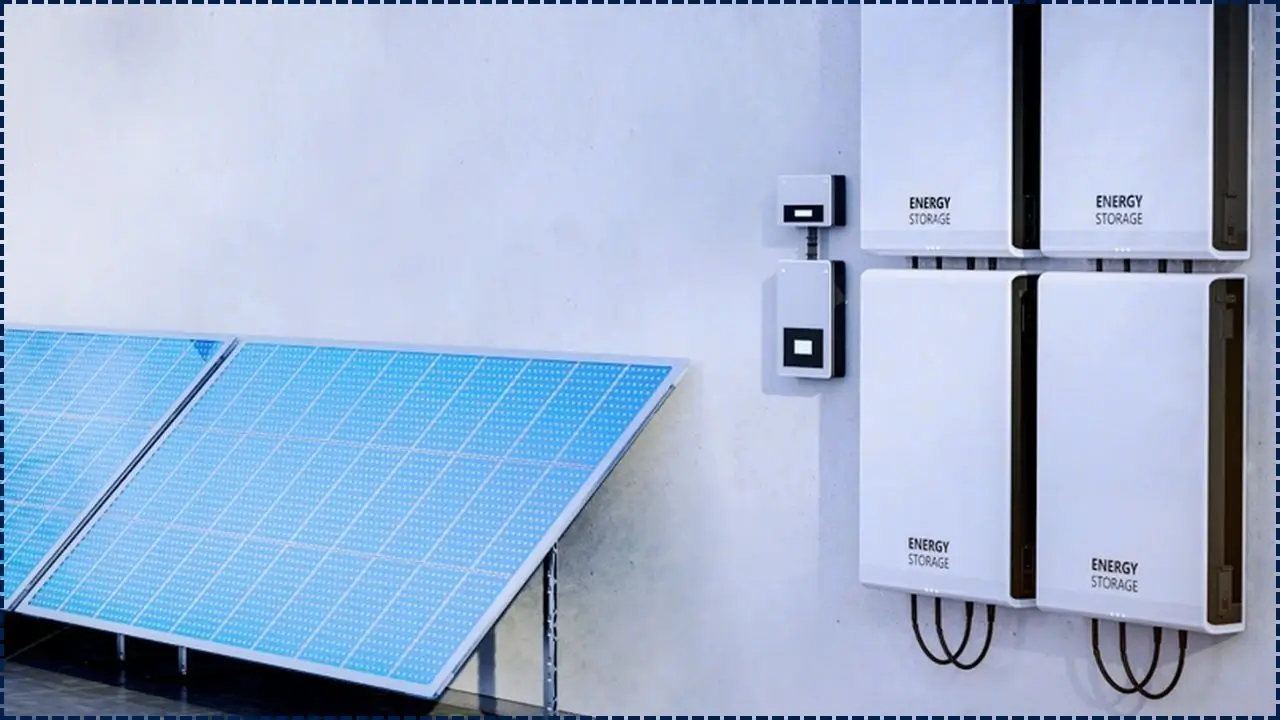

Tesla is in discussions to procure roughly $2.9 billion in solar manufacturing equipment from Chinese firms as part of a plan to build up to 100 gigawatts of solar capacity in the United States.
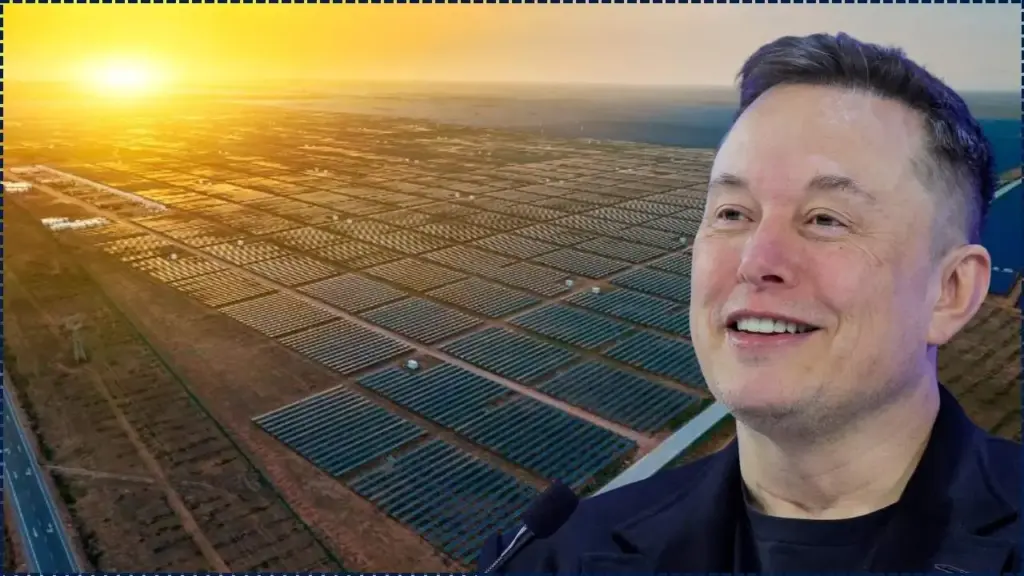
The Tesla in $2.9 Billion Talks with Chinese Firms to Build 100 GW Solar Capacity in the US development reflects both the scale of the company’s ambitions and the complex reality of global clean energy supply chains.
Tesla in $2.9 Billion Talks with Chinese Firms
| Key Fact | Detail / Statistic |
|---|---|
| Deal Size | ~$2.9 billion equipment procurement |
| Target Capacity | Up to 100 GW solar manufacturing |
| Timeline | Late 2020s (estimated) |
| Supply Chain | Chinese equipment manufacturers |
Tesla in $2.9 Billion Talks: A Transformational Bet on Solar
According to Reuters, Tesla is negotiating with Chinese companies to purchase solar manufacturing equipment valued at approximately $2.9 billion. The equipment would support the creation of large-scale solar manufacturing facilities in the United States.
The planned capacity—up to 100 GW—would significantly expand domestic production and position Tesla among the world’s largest solar manufacturers. Sources familiar with the discussions indicated that the talks are ongoing and may require regulatory approval from Chinese authorities.
Why Tesla Still Needs China: Supply Chain Reality
Dominance of Chinese Manufacturing
China controls a large share of the global solar supply chain, including equipment used to produce photovoltaic cells.This dominance stems from:
- Economies of scale
- Integrated production ecosystems
- Government-supported industrial policy
“Even companies committed to U.S. manufacturing must rely on Chinese equipment,” said an energy policy expert at a U.S. research institute.
Equipment vs Modules: Navigating U.S. Trade Policy
Tesla’s strategy focuses on importing manufacturing equipment, not finished solar panels. This allows the company to:
- Qualify for domestic manufacturing incentives
- Avoid certain tariffs on imported modules
- Maintain control over production within the U.S.
However, some equipment may still require export approval from China, introducing potential delays.
The Inflation Reduction Act: A Key Driver
Incentives for Domestic Manufacturing
The Inflation Reduction Act (IRA) provides significant incentives for clean energy manufacturing in the United States. These include:
- Tax credits for domestic solar manufacturing
- Production-based incentives per watt of capacity
- Support for energy storage integration
Tesla’s expansion aligns closely with these incentives.
Strategic Positioning
By building manufacturing capacity domestically, Tesla could:
- Capture federal subsidies
- Reduce long-term costs
- Strengthen supply chain resilience
“This is a policy-driven opportunity as much as a market-driven one,” said a clean energy economist.
Understanding the 100 GW Target
Scale in Context
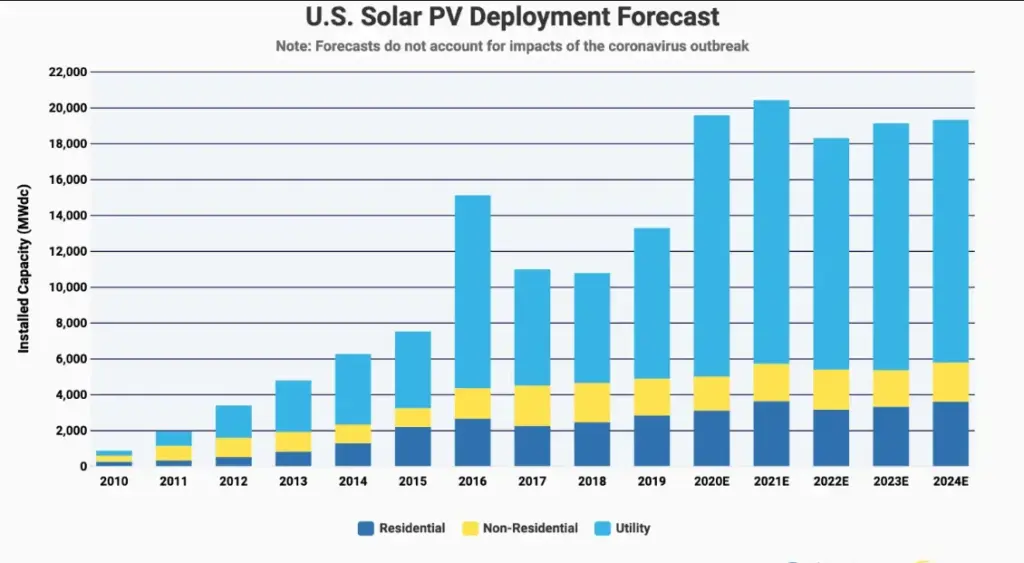
A 100 GW manufacturing target is exceptionally large. For comparison:
- Total U.S. solar installations annually are far below this figure
- Existing domestic manufacturing capacity is limited
If achieved, Tesla’s plan could reshape the U.S. solar industry.
Execution Challenges
Experts highlight several hurdles:
- Facility construction timelines
- Workforce training requirements
- Equipment installation and testing
“This is not just scaling—it is building an entire industrial ecosystem,” said an infrastructure analyst.
Technology Choices: What Will Tesla Build?
Current Technologies
Solar manufacturing today relies on technologies such as:
- TOPCon (Tunnel Oxide Passivated Contact)
- Heterojunction (HJT) cells
These offer higher efficiency compared to older designs.
Future Potential: Perovskite
Emerging technologies like perovskite solar cells could further improve efficiency and reduce costs. Industry experts say Tesla’s long-term competitiveness may depend on its ability to adopt next-generation technologies.
Competition: How Tesla Fits Into the U.S. Market
Established Players
Tesla will face competition from companies such as:
- First Solar (thin-film technology leader)
- Enphase Energy (solar microinverters)
- SunPower (residential solar solutions)
Each operates in different segments of the solar ecosystem.
Tesla’s Advantage
Tesla’s integrated approach—combining solar, storage, and electric vehicles—gives it a unique position. Analysts say this allows Tesla to:
- Bundle products
- Optimize energy usage
- Offer end-to-end solutions
Labor, Locations, and Economic Impact
Potential Manufacturing Sites
Tesla could expand existing facilities or build new ones in states offering:
- Tax incentives
- Skilled workforce availability
- Proximity to energy infrastructure
Possible regions include Texas, Nevada, and New York.
Job Creation
Large-scale manufacturing could generate thousands of jobs in:
- Construction
- Engineering
- Operations
State governments are likely to compete for investment.
Geopolitical Tensions and Policy Risks
U.S.-China Relations
The deal highlights ongoing tensions between:
- U.S. efforts to localize manufacturing
- Continued reliance on Chinese supply chains
“Energy transition goals and geopolitical realities are colliding,” said a trade analyst.
Regulatory Scrutiny
The project could face:
- U.S. national security reviews
- Export control restrictions
- Political scrutiny in Congress
Financial Structure and Investment Scale
Beyond the $2.9 Billion Deal
The equipment purchase represents only part of the total investment. Additional costs include:
- Facility construction
- Workforce training
- Supply chain logistics
Total investment could reach tens of billions of dollars.
Financing Possibilities
Tesla may explore:
- Internal funding
- Partnerships
- Government incentives
Analysts say financing structure will influence execution speed.

Environmental and ESG Implications
Climate Impact
Expanding solar capacity supports efforts to reduce greenhouse gas emissions. The U.S. aims to:
- Decarbonize electricity generation
- Reduce reliance on fossil fuels
ESG Investment Trends
Renewable energy projects continue to attract ESG-focused investors. Tesla’s expansion aligns with these investment priorities.
Risks and Uncertainties
Execution Risks
Large-scale industrial projects face:
- Delays
- Cost overruns
- Operational challenges
Market Competition
Global competition remains intense, particularly from Chinese manufacturers.
Policy Changes
Future changes in U.S. or Chinese policy could affect project viability.
Scenario Analysis: What Happens Next?
Optimistic Scenario
- Smooth regulatory approvals
- Strong policy support
- Rapid execution
Result: Tesla becomes a major solar manufacturing leader.
Cautious Scenario
- Delays in approvals
- Supply chain disruptions
- Cost increases
Result: Slower rollout and reduced capacity.
Related Links
Europe’s Clean Energy Push – Which Solar Companies Stand to Gain?
Tesla’s proposed $2.9 billion deal underscores the complexity of building a large-scale renewable energy industry in a globalized economy. While the initiative could accelerate U.S. solar manufacturing and support climate goals, it also highlights the continued reliance on international supply chains and the challenges of balancing industrial policy with market realities.
FAQs
Why is Tesla working with Chinese firms?
Chinese companies dominate solar manufacturing equipment production, making them essential partners for large-scale projects.
Will Tesla manufacture panels in the U.S.?
Yes, the plan focuses on building domestic manufacturing facilities using imported equipment.
What is the significance of 100 GW capacity?
It represents a massive expansion that could reshape the U.S. solar industry.