India has proposed expanding its Approved List of Models and Manufacturers (ALMM) framework to include solar wafers and ingots, marking a decisive shift in its renewable energy strategy.
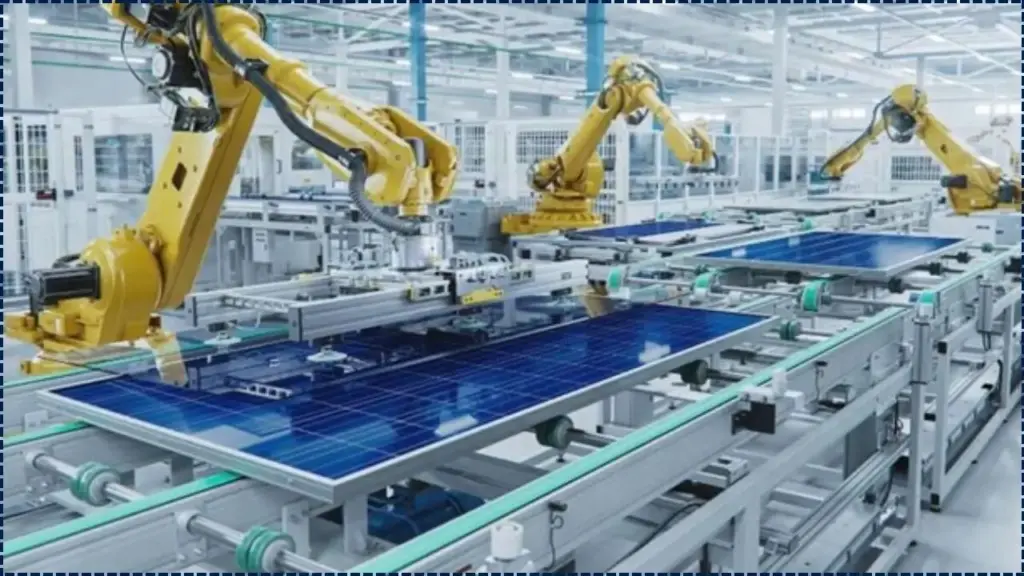
The India Expands ALMM to Wafers & Ingots move aims to reduce reliance on Chinese imports, strengthen domestic manufacturing, and build a fully integrated solar supply chain to support long-term energy security.
India Expands ALMM to Wafers & Ingots: A Structural Policy Shift
India’s Ministry of New and Renewable Energy (MNRE) has proposed extending the ALMM framework to upstream components, including wafers and ingots, under a new category commonly referred to as ALMM List-III.
The framework already includes:
- ALMM List-I: Solar modules
- ALMM List-II: Solar cells (effective 2026)
The proposed expansion, expected to take effect from June 2028, would require developers—especially in government-backed projects—to source wafers and ingots from approved domestic manufacturers.
Policy experts describe this as a shift from assembly-based manufacturing to full-scale industrial capability.
Evolution of ALMM: From Protection to Integration
Early Phase: Module Protection
ALMM was initially introduced to:
- Prevent dumping of low-cost imports
- Protect domestic module manufacturers
- Ensure quality standards
Expansion Phase: Cells and Beyond
The inclusion of solar cells in ALMM List-II marked the first move upstream. The current proposal extends this logic further to wafers and ingots. “This is the final piece of the puzzle,” said a policy analyst. “Without upstream manufacturing, self-reliance remains incomplete.”
Why Wafers and Ingots Matter
The Core of Solar Manufacturing
The solar value chain begins with:
- Polysilicon refinement
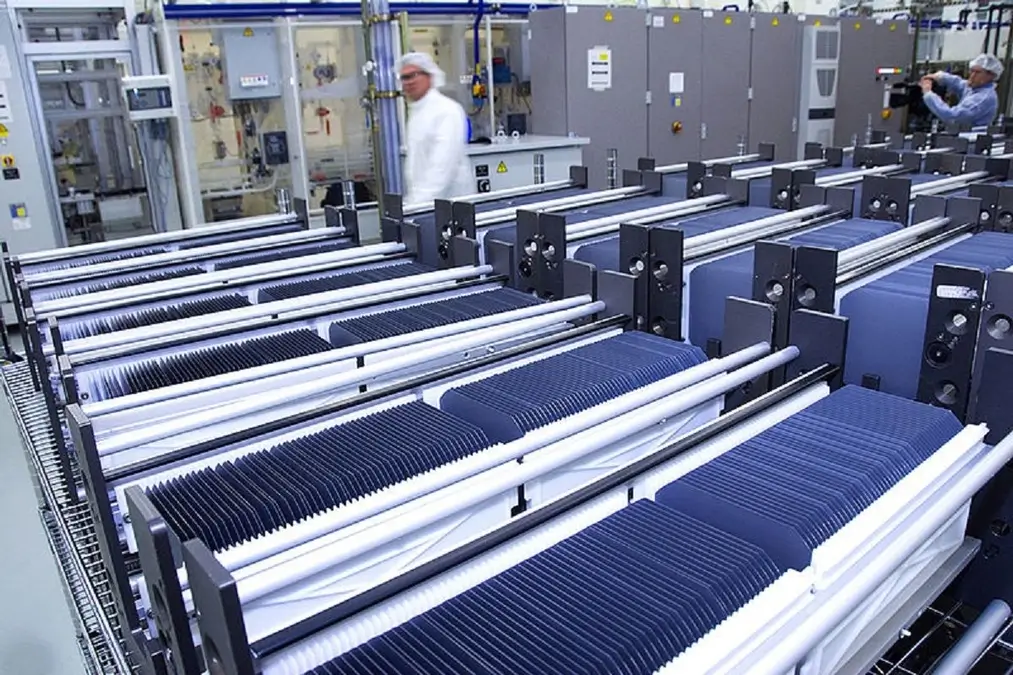
- Ingot formation
- Wafer slicing
- Cell production
- Module assembly
India has made progress in the last two stages but remains heavily dependent on imports for wafers and ingots.
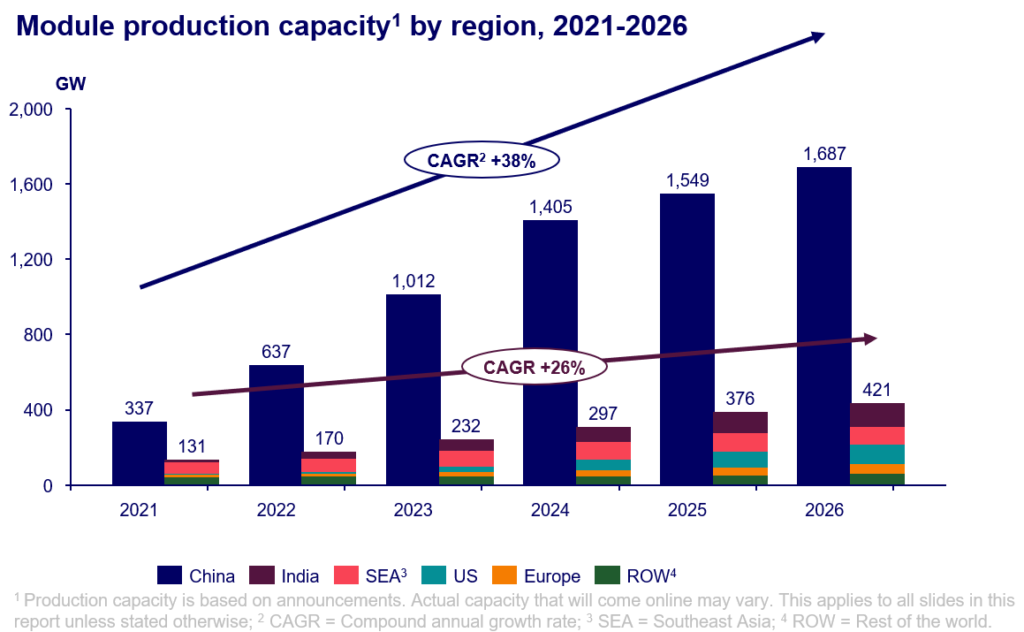
China’s Dominance
China controls a majority share of global wafer and ingot production due to:
- Scale economies
- Integrated supply chains
- Government-backed industrial policies
This dominance creates strategic vulnerabilities for importing countries.
How the New ALMM Framework Will Function
Integrated Supply Chain Enforcement
The expanded ALMM framework will enforce vertical integration:
- Modules must use ALMM-listed cells
- Cells must use ALMM-listed wafers
- Wafers must originate from ALMM-listed ingot manufacturers
This ensures domestic sourcing across all stages.
Entry Thresholds for Manufacturers
To qualify under ALMM List-III:
- Minimum three manufacturers must operate domestically
- Combined wafer capacity must reach at least 15 GW
- Each wafer manufacturer must have matching ingot capacity
These thresholds aim to create a competitive and scalable ecosystem.
Cost Implications: Short-Term Pain, Long-Term Gain
Potential Increase in Project Costs
Industry estimates suggest that domestic sourcing could initially increase solar project costs by:
- ₹0.20 to ₹0.40 per watt
This may affect tariff competitiveness in the short term.
Long-Term Cost Stabilisation
However, analysts expect costs to decline over time due to:
- Economies of scale
- Improved manufacturing efficiency
- Reduced import dependency
“Initial costs may rise, but long-term benefits outweigh short-term challenges,” said an industry economist.
Technology Roadmap: Bridging the Gap
Current Technologies
India’s solar manufacturing is transitioning from:
- Mono-PERC (older technology)
to - TOPCon and HJT (higher efficiency technologies)
Innovation Challenges
China leads in:
- Advanced manufacturing techniques
- Efficiency improvements
- Cost optimisation
India will need sustained investment in R&D to remain competitive.
Financing the Manufacturing Push
Capital Requirements
Building wafer and ingot facilities requires:
- High capital investment
- Advanced infrastructure
- Energy-intensive processes
Industry estimates suggest tens of billions of rupees will be needed.
Financing Sources
Funding may come from:
- Public sector banks
- Non-banking financial companies (NBFCs)
- Green bonds
- International climate finance
Government incentives such as production-linked incentives (PLI) will play a key role.
Industry Impact: Beyond Large Corporations
Growth of MSME Ecosystem
The policy is expected to create opportunities for:
- Component suppliers
- Equipment manufacturers
- Service providers
This could stimulate growth across the broader industrial ecosystem.
Employment Generation
The expansion of upstream manufacturing could create jobs in:
- Engineering
- Manufacturing
- Logistics
Global Comparison: India vs US and EU
United States Approach
The U.S. is promoting domestic manufacturing through:
- Inflation Reduction Act subsidies
- Tax incentives
- Supply chain localisation
European Union Strategy
The EU is focusing on:
- Diversification of supply chains
- Strategic autonomy
- Sustainability standards
India’s Model
India’s approach relies more on:
- Market restrictions (ALMM)
- Domestic manufacturing mandates
- Gradual supply chain integration
Each model reflects different economic priorities.
Trade and Export Implications
Export Potential
A fully integrated manufacturing ecosystem could enable India to:
- Export solar components
- Compete with global players
- Strengthen its position in international markets
Trade Risks
However, restrictive policies could:
- Trigger trade disputes
- Affect international competitiveness
Risks and Challenges
Execution Risks
- Delays in capacity creation
- Technology gaps
- Financing constraints
Policy Risks
- Changes in government priorities
- Regulatory uncertainty
Market Risks
- Demand fluctuations
- Price volatility
Related Links
India’s Decadal Power Shift: Solar Capacity to Quadruple and Wind to Triple by 2036
ACME Solar & NTPC Green Energy Surge 9%: Why Renewable Stocks are Defying the Weak Market
Scenario Analysis
Best-Case Scenario
- Rapid capacity expansion
- Cost competitiveness achieved
- India becomes a global manufacturing hub
Base Case
- Gradual growth
- Moderate cost increases
- Partial import dependence remains
Worst Case
- Delays in implementation
- High costs persist
- Limited competitiveness
The India Expands ALMM to Wafers & Ingots policy marks a critical turning point in India’s renewable energy strategy. By targeting upstream manufacturing, the country is attempting to reduce dependence on imports and build a resilient, self-sufficient solar ecosystem.
While challenges remain, the move signals a long-term commitment to industrial transformation and energy security.