
The term “Sun-Tax” is increasingly used to describe a global shift in solar energy policy, where exporting excess electricity to the grid earns significantly less than before.
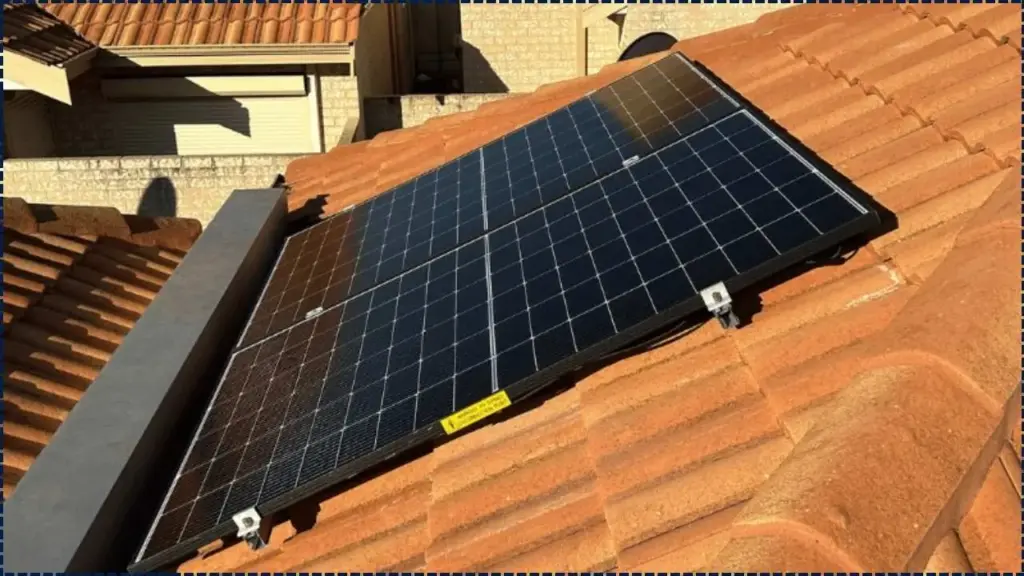
As governments and utilities revise compensation models in 2026, solar users may find that sending power back to the grid reduces their financial returns rather than boosting them.
The ‘Sun-Tax’ Reality
| Key Fact | Detail/Statistic |
|---|---|
| Export value declining | Export rates now often 40–75% lower than retail electricity prices |
| Policy transition | Over 30 countries moving from net metering to net billing |
| Oversupply issue | Midday solar surplus lowering wholesale power prices |
What Is the “Sun-Tax” and Why It Matters
The “Sun-Tax” is not a formal government levy. Instead, it is a widely used term describing a structural shift in how solar energy exports are valued.
Historically, rooftop solar users benefited from net metering, which allowed them to export surplus electricity and receive credits equal to retail power prices. This policy played a critical role in accelerating solar adoption worldwide.
However, as solar penetration increases, governments and utilities are revising these systems. According to the International Energy Agency (IEA), electricity markets must evolve to reflect real-time supply and demand conditions, which often undervalue exported solar energy.
The Economic Forces Behind the Shift
Oversupply During Daylight Hours
Solar generation peaks during midday hours, when electricity demand is often lower. This mismatch creates excess supply in the grid.
The U.S. Energy Information Administration (EIA) reports that wholesale electricity prices can fall sharply during high solar output periods. In some markets, prices even approach zero. This dynamic reduces the economic value of exported electricity, making previous compensation models unsustainable.
Fixed Grid Costs and Revenue Recovery
Electric utilities must maintain infrastructure regardless of how much electricity customers generate independently.
According to the World Bank, utilities face revenue shortfalls when high-income households adopt solar and reduce grid consumption, while still relying on the grid for backup power. This has led regulators to redesign pricing structures to ensure cost recovery and system reliability.
The “Duck Curve” Problem
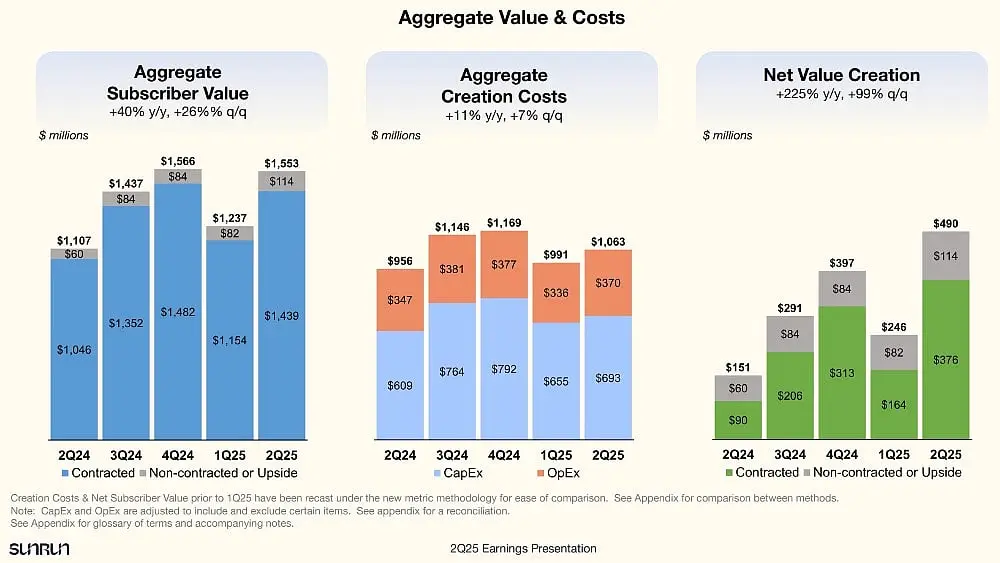
One widely cited phenomenon is the “duck curve,” first identified in California. It describes how solar generation reduces midday demand but creates steep demand spikes in the evening.
Utilities argue that exported solar power does not help meet peak demand, which is when electricity is most valuable.
Policy Changes: From Net Metering to Market-Based Models
Net Metering vs. Net Billing vs. Gross Metering
| Model | How It Works | Impact on Solar Users |
|---|---|---|
| Net Metering | Export offsets consumption at retail rates | Highest financial benefit |
| Net Billing | Export paid at lower market rates | Reduced earnings |
| Gross Metering | All power sold at fixed tariff | Limited savings potential |
According to the World Bank, countries are increasingly adopting net billing systems to better align compensation with market realities.
Regional Policy Developments
United States
California has implemented one of the most significant policy shifts. The California Public Utilities Commission (CPUC) introduced a new net billing framework that reduces export compensation rates. Industry estimates suggest that export payments can drop by up to 75% during certain periods.
Europe
In Europe, countries such as Germany and Spain have gradually reduced feed-in tariffs. The European Commission supports dynamic pricing models that reflect real-time energy market conditions.
India
India’s solar policy landscape varies by state, but the overall direction is clear. The Ministry of New and Renewable Energy (MNRE) is encouraging self-consumption and limiting reliance on grid exports.
Some states have introduced caps on system sizes eligible for net metering, while others are lowering export tariffs.
The Role of Energy Storage
Batteries as a Strategic Solution
Energy storage is emerging as a key response to declining export values. Instead of sending surplus electricity to the grid, users can store it for later use.
According to the International Renewable Energy Agency (IRENA), battery costs have dropped by over 80% since 2010, improving affordability.
Government Incentives
Governments are supporting this transition through incentives:
- U.S. federal tax credits for battery storage
- European subsidies for residential storage systems
- Pilot programs in India promoting decentralized energy systems
These policies aim to reduce grid congestion and improve energy efficiency.
Real-World Impact on Households and Businesses
Changing Payback Periods
The shift in export compensation is affecting solar investment returns. According to the Rocky Mountain Institute (RMI), households relying heavily on exports may see longer payback periods. However, those optimizing self-consumption can still achieve strong financial outcomes.
Case Example: Residential Solar User
A typical household with a 5 kW system:
- Before policy changes: Export earnings significantly offset electricity bills
- After changes: Savings depend primarily on daytime usage
This shift encourages behavioral changes, such as running appliances during solar production hours.
Industry and Expert Perspectives
Energy analysts emphasize that these changes reflect a maturing energy system. “This transition is necessary to ensure grid stability and fairness,” said Dr. Fatih Birol, Executive Director of the International Energy Agency. However, consumer advocates warn of potential risks.
The National Consumer Law Center (NCLC) has urged policymakers to ensure transparency and gradual implementation to maintain public trust.
Environmental Considerations
Despite economic changes, solar energy remains critical for reducing carbon emissions. The Intergovernmental Panel on Climate Change (IPCC) identifies solar power as a key component of global decarbonization strategies.
Experts caution that poorly designed policies could slow adoption if financial incentives weaken too quickly.
Risks and Challenges Ahead
Policy Uncertainty
Frequent changes in solar policies can create uncertainty for investors and consumers.
Equity Concerns
Lower-income households may face barriers to adopting solar and storage technologies.
Grid Modernization Needs
Experts highlight the need for smarter grids capable of handling decentralized energy systems.
What This Means for the Future of Solar
The “Sun-Tax” reflects a broader transition in energy systems. Solar power is no longer a niche technology but a central component of global electricity supply.
According to the International Energy Agency, solar will drive nearly half of global electricity capacity growth by 2030. However, the financial model is evolving. The focus is shifting from exporting electricity to optimizing its use locally.
Related Links
Made in America’ Solar vs. 2026 Tariffs: Will Panel Prices Surge This Year?
USDA REAP 2026: Farmers Can Now Get Up to 50% Funding for Solar Projects
The economics of solar energy are entering a new phase. While exporting electricity may no longer deliver the same returns, solar remains a cornerstone of the global energy transition. As systems evolve, its value will increasingly depend on how efficiently it is used rather than how much is exported.
FAQs
Is this an actual tax?
No. It refers to reduced payments for exported solar electricity.
Why are governments changing policies?
To reflect real electricity market conditions and ensure grid stability.
Is solar still worth installing?
Yes, especially when systems are designed for self-consumption.
What is the best strategy for solar users in 2026?
Maximize self-use, consider battery storage, and adapt energy usage patterns.