
The NSW Battery Incentive 2026 is reshaping how households in New South Wales access solar battery savings in 2026.

While the earlier standalone rebate of up to $2,400 has ended, a combination of federal subsidies and state incentives linked to Virtual Power Plants (VPPs) continues to offer comparable financial benefits for eligible consumers.
What Is the NSW Battery Incentive 2026?
The NSW Battery Incentive 2026 refers to a combination of financial incentives available to NSW residents installing home battery systems in 2026. These incentives are no longer delivered as a single rebate but through two key mechanisms:
- The Australian Government’s Cheaper Home Batteries Program
- The NSW Government’s Virtual Power Plant (VPP) incentive
According to the NSW Government’s official energy portal, the earlier battery installation rebate was discontinued on 30 June 2025, as federal incentives became more substantial.
Why the $2,400 Rebate Still Matters
Although the original rebate is no longer available in its earlier form, the figure remains relevant because:
- Combined incentives can still reach or exceed $2,400 in total savings
- Marketing and public discussions continue to reference the earlier rebate benchmark
- It provides a useful comparison point for consumers evaluating new schemes
According to NSW government releases, total support can exceed $5,000 for larger systems when federal and state incentives are combined.

How the Federal Battery Rebate Works
Cheaper Home Batteries Program
The Australian Government introduced the Cheaper Home Batteries Program in July 2025 to reduce the cost of residential battery systems nationwide. According to official government information:
- The rebate covers approximately 30% of battery costs
- Delivered through Small-scale Technology Certificates (STCs)
- Applies to systems between 5 kWh and 100 kWh
The value of the rebate declines gradually over time as part of a scheduled phase-down.
Example: Federal Savings
A typical 10–13 kWh battery system:
- Pre-rebate cost: AUD 10,000–13,000
- Federal rebate: AUD 2,500–4,000
- Final cost significantly reduced upfront
NSW Virtual Power Plant (VPP) Incentive Explained
What Is a VPP?
A Virtual Power Plant (VPP) is a network of connected home batteries that can collectively supply electricity to the grid during peak demand periods. According to the Australian Department of Climate Change, Energy, the Environment and Water, VPPs improve:
- Grid stability
- Peak demand management
- Renewable energy integration
NSW VPP Incentive Details
In 2026, NSW offers:
- Up to $1,500 upfront payment
- Available only if the battery is connected to a VPP
- Paid after installation and activation
The payment varies based on:
- Battery size
- Provider agreements
- Participation conditions
Combined Savings Breakdown
| Battery Size | Federal Rebate | NSW VPP Incentive | Total Estimated Savings |
|---|---|---|---|
| 5 kWh | Moderate | $300–$400 | $700–$900 |
| 10 kWh | High | $500–$600 | $1,800–$2,400 |
| 13.5 kWh | Higher | $700–$900 | $2,400–$3,500 |
| 27 kWh | Very High | Up to $1,500 | $5,000+ |
Estimates vary depending on system specifications and market conditions.
NSW Battery Incentive 2026 Claim the NSW Battery Incentive 2026
Assess Your Energy Needs
Evaluate your daily electricity consumption and solar generation to determine the appropriate battery size.
Select an Approved Installer
Choose an installer accredited by the Clean Energy Council (CEC) to ensure eligibility for federal rebates.
Install an Eligible Battery System
Ensure the battery:
- Meets Australian standards
- Is compatible with VPP participation
- Is properly certified
Receive Federal Discount
The federal rebate is usually applied upfront through STCs by the installer.
Join a Virtual Power Plant
Register with an approved VPP provider to qualify for the NSW incentive.
Claim NSW Incentive
The VPP provider typically manages the application and payment process after system activation.
2300% रिटर्न देने वाली एनर्जी कंपनी को मिला नया प्रोजेक्ट! ₹59 के भाव पर धूम – निवेशकों की हुई चांदी
Timeline: Key Dates for 2026
- 1 July 2025: Federal battery rebate introduced
- 30 June 2025: NSW installation rebate ended
- 2026 onward: VPP incentive continues, federal rebate gradually declines
Comparison: NSW vs Other Australian States
| State | Battery Incentive Type | Approx Benefit |
|---|---|---|
| NSW | VPP + federal rebate | Up to $5,000+ |
| Victoria | Interest-free loans | Up to $8,800 |
| South Australia | Subsidies + VPP | Up to $3,000 |
| Queensland | Limited programs | Variable |
This comparison highlights that NSW has shifted from upfront subsidies to performance-based incentives.
Financial Impact: Cost vs Savings
Average Battery Cost in 2026
- $800–$1,200 per kWh installed
- Total system: $8,000–$15,000
Payback Period
According to industry estimates:
- 3–7 years depending on usage
- Faster if energy prices rise
Risks and Consumer Considerations
Declining Rebates
Federal incentives decrease every year. Delaying installation may reduce savings.
VPP Contract Terms
Consumers should carefully review:
- Energy dispatch rights
- Payment structures
- Exit conditions
Misleading Marketing
Experts warn that outdated claims about “$2,400 rebates” may confuse consumers, as the structure has changed.
Expert Perspectives
Energy analysts say the policy reflects a broader shift toward distributed energy systems. A government-backed energy report notes that “battery storage and VPP integration are critical to maintaining grid reliability as renewable penetration increases.”
Consumer advocacy groups emphasise the need for transparency to ensure households understand the evolving rebate structure.
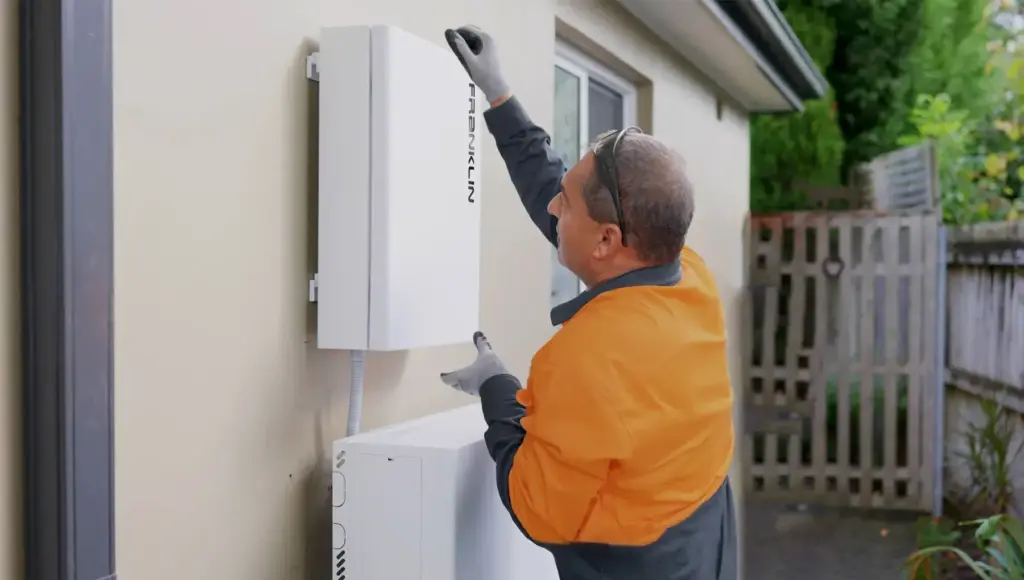
Environmental and Grid Benefits
Battery adoption supports:
- Reduced reliance on fossil fuels
- Lower peak demand
- Increased renewable energy usage
The International Energy Agency (IEA) identifies battery storage as a key enabler of clean energy transitions globally.
Related Links
The End of 30% Solar Tax Credit? How 2026 Policy Changes Impact Your Savings
No Roof? No Problem! How Community Solar in the US Can Cut Your Bills by 15%
The NSW Battery Incentive 2026 reflects a significant shift in Australia’s energy policy. While the earlier flat rebate has ended, new combined incentives offer equal or greater financial benefits for those who adapt to updated rules. As energy systems evolve, the focus is shifting from simple subsidies to integrated, grid-supporting technologies.
FAQs
Is the $2,400 rebate still available?
No. It has been replaced by combined federal and NSW incentives.
Can I still save $2,400?
Yes. Combined incentives can reach or exceed that amount.
Do I need to join a VPP?
Yes, to access the NSW incentive.
Is solar required?
Yes, batteries must be paired with solar systems.