
Australia’s Australia’s Green Hydrogen Vision strategy—exporting renewable energy in the form of green hydrogen, often called “liquid sunshine”—is advancing in 2026 as part of a broader push to become a global clean energy supplier.
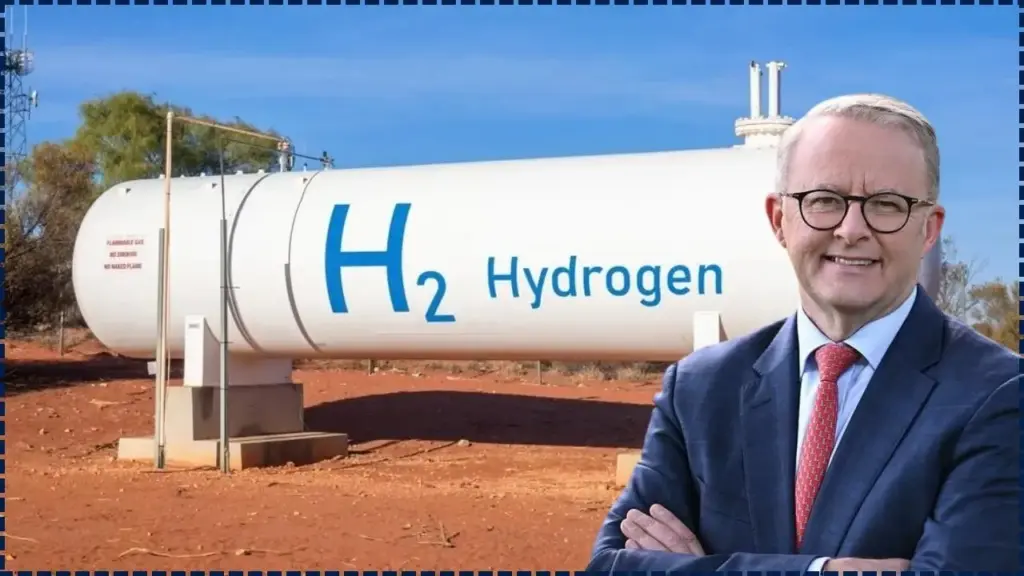
Backed by major investments and international partnerships, the initiative aims to supply low-carbon fuel to Asia and Europe, although cost pressures, technological hurdles, and project delays continue to test its commercial viability.
Australia’s Green Hydrogen Vision
| Key Fact | Detail/Statistic |
|---|---|
| Hydrogen export target | 200,000 tonnes annually by 2030 |
| Long-term production goal | 15 million tonnes by 2050 |
| Major investment | Over AUD 20 billion committed to clean energy sectors |
Understanding Australia’s Australia’s Green Hydrogen Vision Strategy
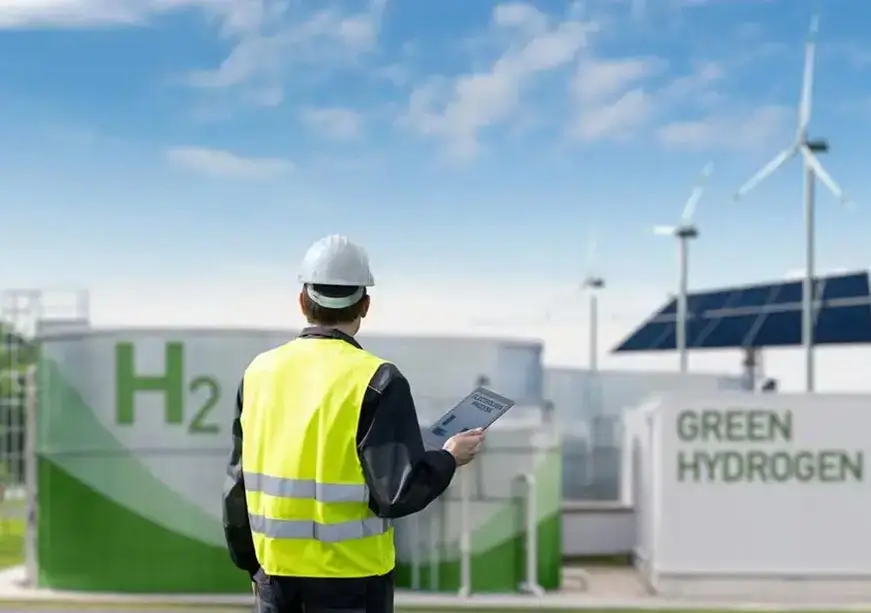
Australia’s Green Hydrogen Vision initiative is built on its abundant renewable resources, particularly solar and wind energy. By converting this energy into hydrogen through electrolysis, the country aims to create a transportable, zero-carbon fuel for global markets.
Green hydrogen is produced by splitting water into hydrogen and oxygen using renewable electricity. Unlike fossil fuel-based hydrogen, it emits no carbon dioxide during production.
Energy analysts note that this model allows Australia to export renewable energy indirectly, overcoming the limitations of electricity transmission over long distances.
Why “Liquid Sunshine”?
The phrase “liquid sunshine” reflects the conversion of solar energy into hydrogen or hydrogen-derived fuels such as ammonia. Instead of exporting raw electricity, Australia can:
- Convert solar energy into hydrogen
- Liquefy or chemically transform it
- Ship it globally
This approach mirrors Australia’s success in exporting liquefied natural gas, but with significantly lower emissions.
Major Projects Driving the 2026 Push
Hydrogen Production Hubs
Australia has identified several hydrogen hubs to scale production:
- Western Australia: Focus on export-oriented projects
- Northern Territory: Strategic location for Asian markets
- Queensland: Integration with industrial demand
These hubs aim to build supply chains, infrastructure, and workforce capacity.
Large-Scale Export Projects
Among the most ambitious developments:
- Projects targeting millions of tonnes of hydrogen annually
- Integrated solar and wind farms dedicated to hydrogen production
- Export terminals designed for ammonia and liquid hydrogen shipping
Global Demand: Asia and Europe Lead
Australia’s hydrogen export strategy is driven by demand from energy-importing countries.
Asia-Pacific Markets
Japan and South Korea are leading hydrogen adopters, investing heavily in hydrogen-powered industries and energy systems. These countries lack sufficient renewable resources and are expected to rely on imports.
European Interest
European nations, particularly Germany, are also seeking green hydrogen imports to meet climate targets. Australia’s political stability and existing trade relationships make it a preferred partner.
Government Policy and Investment
National Hydrogen Strategy
The Australian Government has outlined ambitious targets:
- 200,000 tonnes of exports by 2030
- 15 million tonnes of production by 2050
These goals are supported by regulatory frameworks and funding initiatives.
“Future Made in Australia” Policy
The government has committed substantial funding to clean energy industries, including hydrogen. This includes:
- Production tax incentives
- Infrastructure investment
- Certification systems for green hydrogen
Economic Potential: A New Export Industry
Hydrogen is widely viewed as a potential replacement for fossil fuel exports.
Opportunities
- Job creation in regional areas
- Diversification of export revenue
- Strengthening of energy security
Industry projections suggest that hydrogen could become a multi-billion-dollar export sector.

सरकार की नई स्कीम,स्वदेशी सोलर पैनल पर मिलेगी ₹17,000 की और सब्सिडी, बस ध्यान रखें ये बातें
Technological Advancements Driving the Hydrogen Economy
As hydrogen production technologies improve, Australia’s competitive advantage in green hydrogen is growing. Key advancements in hydrogen electrolysis, storage, and transportation are pushing down costs:
- Electrolysis improvements: Increased efficiency in splitting water into hydrogen using renewable electricity. (scientificamerican.com)
- Storage technologies: Development of high-density storage systems for hydrogen at lower costs.
- Ammonia synthesis: Enhanced ammonia production processes that lower the energy required to create ammonia for shipping.
Challenges and Risks
High Production Costs
Green hydrogen remains expensive compared to fossil fuels. Key cost drivers include:
- Renewable electricity prices
- Electrolyser costs
- Infrastructure investment
Analysts indicate that cost reductions are essential for competitiveness.
Project Delays and Uncertainty
Several high-profile projects have faced delays or cancellations due to:
- Rising capital costs
- Investor caution
- Uncertain long-term demand
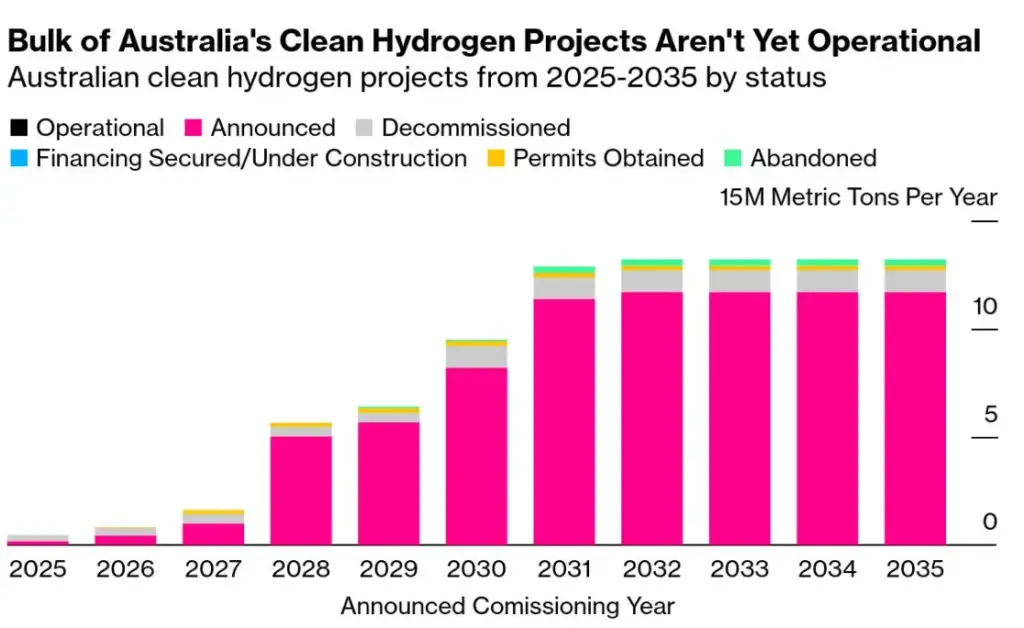
These developments highlight the gap between policy ambition and market readiness.
Infrastructure Constraints
Hydrogen transport presents technical challenges. Options include:
- Liquefied hydrogen
- Ammonia conversion
- Chemical carriers
Each method involves trade-offs in efficiency and cost.
Environmental and Resource Considerations
While green hydrogen is considered clean, it is not without environmental concerns.
Water Usage
Hydrogen production requires significant water resources, raising concerns in arid regions of Australia.
Land Use
Large-scale renewable projects require vast land areas, potentially affecting ecosystems and local communities.
Lifecycle Emissions
Experts stress the importance of ensuring that hydrogen production remains fully renewable to achieve climate benefits.
International Collaborations and Partnerships
Australia’s green hydrogen vision is not limited to domestic policy. International partnerships are crucial for its success.

- Japan has signed agreements with Australia to import hydrogen as part of its decarbonisation efforts.
- Germany is looking to secure long-term hydrogen imports to meet its stringent climate targets.
- South Korea is another key player, working with Australian companies to integrate hydrogen into its industrial sectors.
These collaborations underscore Australia’s role as a future hydrogen supplier on the global stage.
Financial Backing and Private Investment
While government policy plays a crucial role, private sector investment will be pivotal in driving Australia’s hydrogen success.
- Major corporations, including Fortescue Metals and Woodside Energy, are heavily invested in Australia’s green hydrogen projects.
- Banks and institutional investors are also stepping in, providing capital to accelerate large-scale production.
These investments reflect confidence in hydrogen as a future energy source, but also highlight the high risks and costs associated with its development.
Community Engagement and Stakeholder Involvement
For green hydrogen projects to succeed, they need the support of local communities.
Engagement Efforts
- Consultation with Indigenous communities about land use for renewable energy production.
- Local job creation through workforce development programs for the renewable energy sector.
- Public awareness campaigns to highlight the long-term environmental and economic benefits of green hydrogen.
These initiatives help ensure that the growth of the hydrogen industry benefits both local and global stakeholders.
Expert Perspectives
Energy experts remain cautiously optimistic. Australia is “well positioned to scale green hydrogen production” due to its renewable resources and geography, according to recent industry analysis. However, analysts stress that success depends on:
- Reducing costs
- Securing long-term buyers
- Building infrastructure
Consumer and environmental groups, meanwhile, call for careful planning to ensure sustainability.
Related Links
NSW Battery Incentive 2026: How to Claim Your $2,400 Rebate Today
How Your Home Can Earn Money as a Power Station: The Rise of VPPs in Australia
What 2026 Means for the Industry
The year 2026 represents a transition phase for Australia’s hydrogen industry. Key developments to watch:
- Commissioning of pilot and mid-scale projects
- Expansion of export agreements
- Technological improvements in hydrogen production
Large-scale commercial exports are likely to take longer, with most analysts pointing to the late 2020s or early 2030s for significant volumes.
Australia’s Australia’s Green Hydrogen Vision ambition reflects a bold shift in global energy systems. While the country has strong advantages in renewable resources and policy support, the path to becoming a leading hydrogen exporter will depend on overcoming economic and technical challenges in the years ahead.