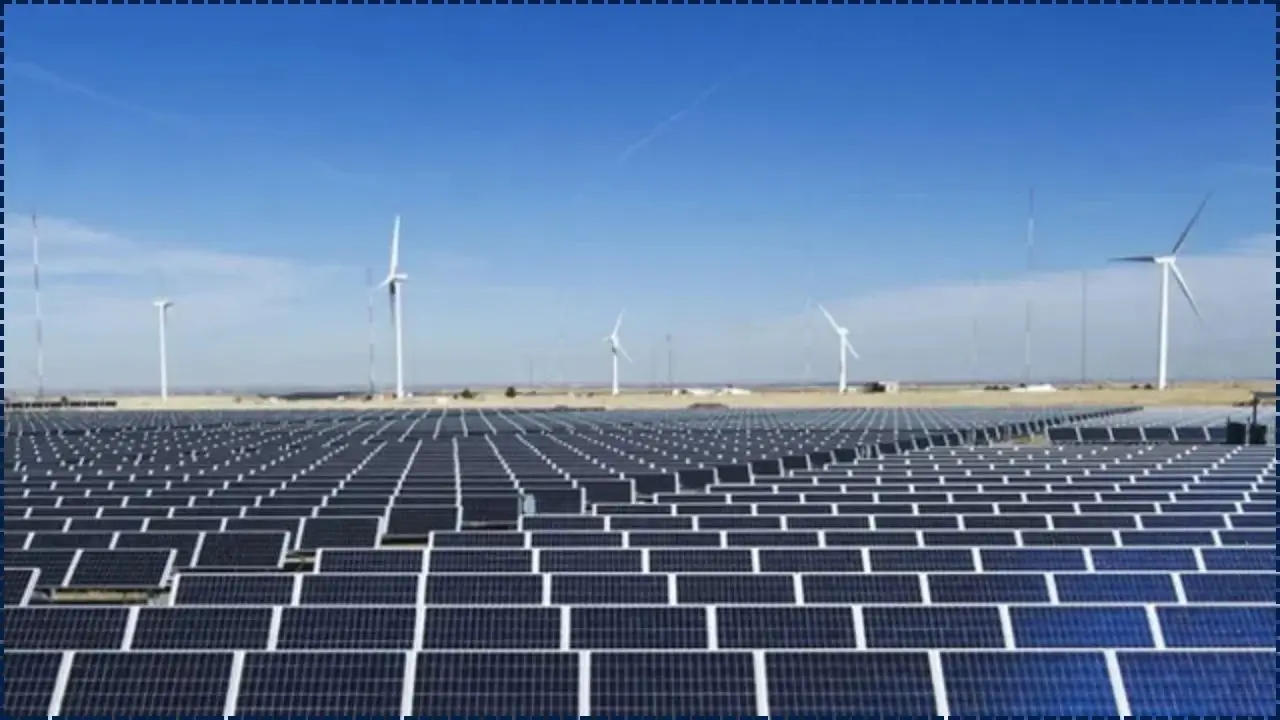
Across remote regions of northern Canada, a growing Diesel-to-Solar Shift is transforming how Indigenous communities generate electricity, reducing reliance on imported fossil fuels while strengthening local energy control.
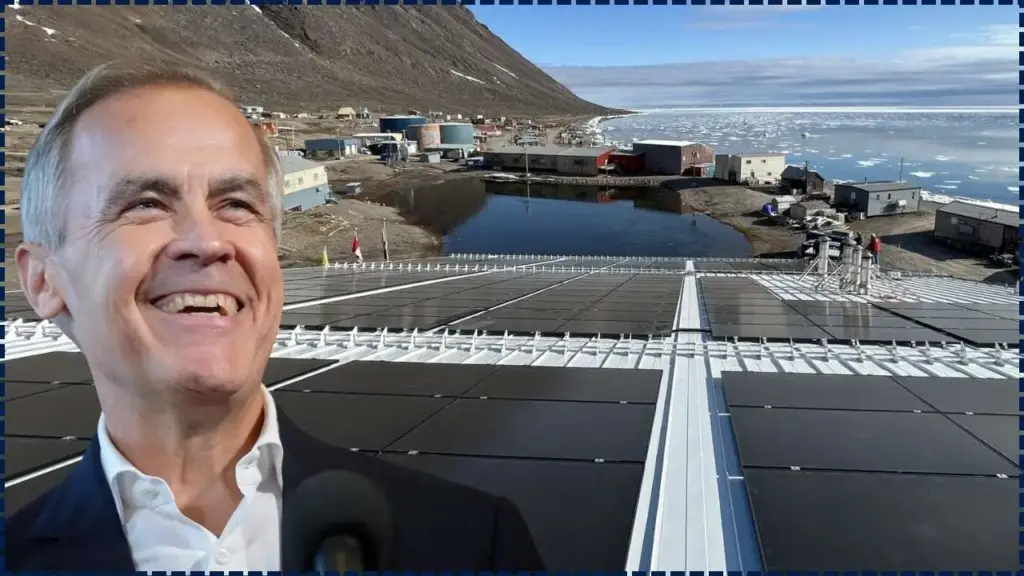
The transition, supported by federal policy and Indigenous leadership, is reshaping infrastructure in areas historically dependent on diesel-based power systems.
The Diesel-to-Solar Shift
| Key Fact | Detail / Statistic |
|---|---|
| Communities affected | 170+ remote communities rely on diesel |
| Diesel consumption | ~90 million liters annually |
| Solar contribution | Up to 25% energy offset in some projects |
| Ownership trend | Increasing Indigenous-led energy projects |
What Is Driving the Diesel-to-Solar Shift?
The Diesel-to-Solar Shift reflects both necessity and policy direction. Remote communities in northern Canada are not connected to the national electricity grid due to geographic isolation and infrastructure constraints. Diesel has long served as the default energy source because it is portable and reliable under extreme conditions.
However, the cost of maintaining diesel-based systems has risen steadily. Fuel must be delivered by air or seasonal ice roads, creating logistical risks and price volatility. According to energy analysts, electricity costs in remote communities can be several times higher than in urban areas.
At the same time, Canada’s climate commitments and emissions targets have increased pressure to reduce fossil fuel use. Federal programs now prioritize clean energy investments in off-grid communities, accelerating the adoption of renewable technologies.
Historical Context: Decades of Energy Inequality
The reliance on diesel is rooted in decades of infrastructure gaps. Many Indigenous communities were never connected to centralized grids during earlier phases of national electrification.
Energy systems in these regions were often designed with short-term solutions, prioritizing reliability over sustainability. Over time, this created long-term dependence on diesel, along with higher energy costs and environmental risks.
Policy experts say the current transition represents a corrective shift. “This is not just about energy technology,” noted a Canadian energy policy analyst in a federal briefing. “It’s about addressing historical inequities in infrastructure development.”

Indigenous Leadership and Energy Sovereignty
A central feature of the Diesel-to-Solar Shift is the increasing role of Indigenous communities as decision-makers and project owners.
Unlike earlier energy projects, which were often externally controlled, many renewable initiatives are now developed through partnerships or fully owned by Indigenous governments and organizations.
This approach reflects a broader concept known as energy sovereignty—the ability of communities to control how energy is produced, distributed, and used.
“Energy independence allows communities to align development with cultural values and long-term priorities,” said an Indigenous leader in a government-supported energy program.
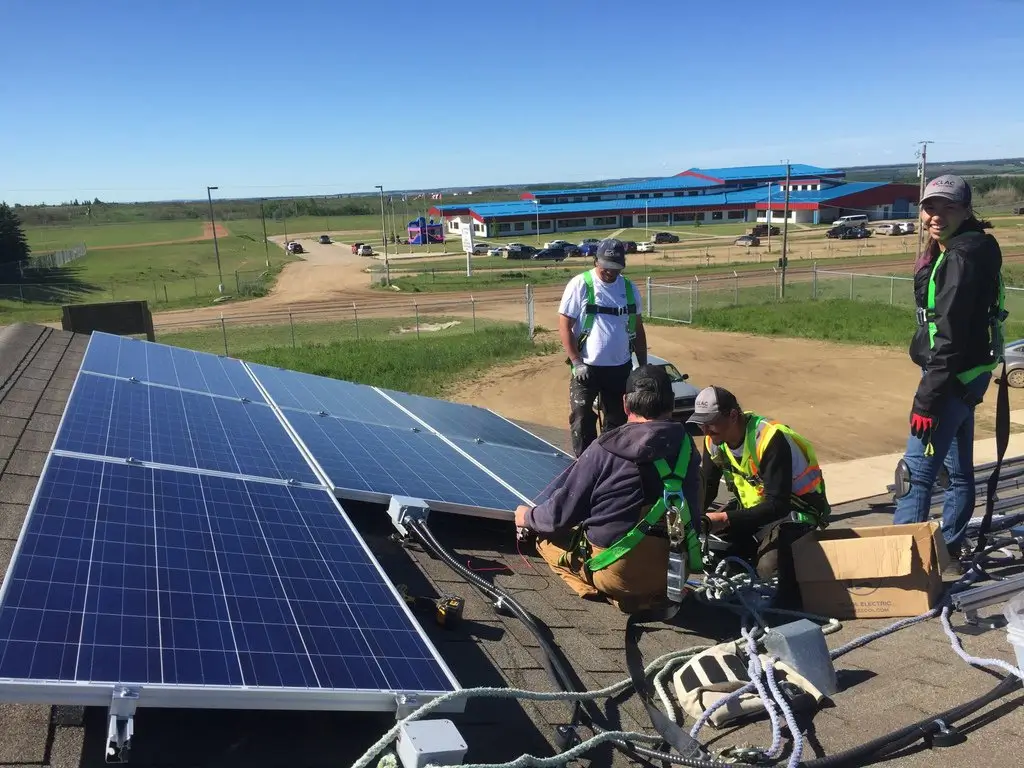
Training and workforce development are also key components. Programs funded by federal and territorial governments aim to equip local residents with technical skills for installation, operation, and maintenance of renewable systems.
How Solar Microgrids Work in the North
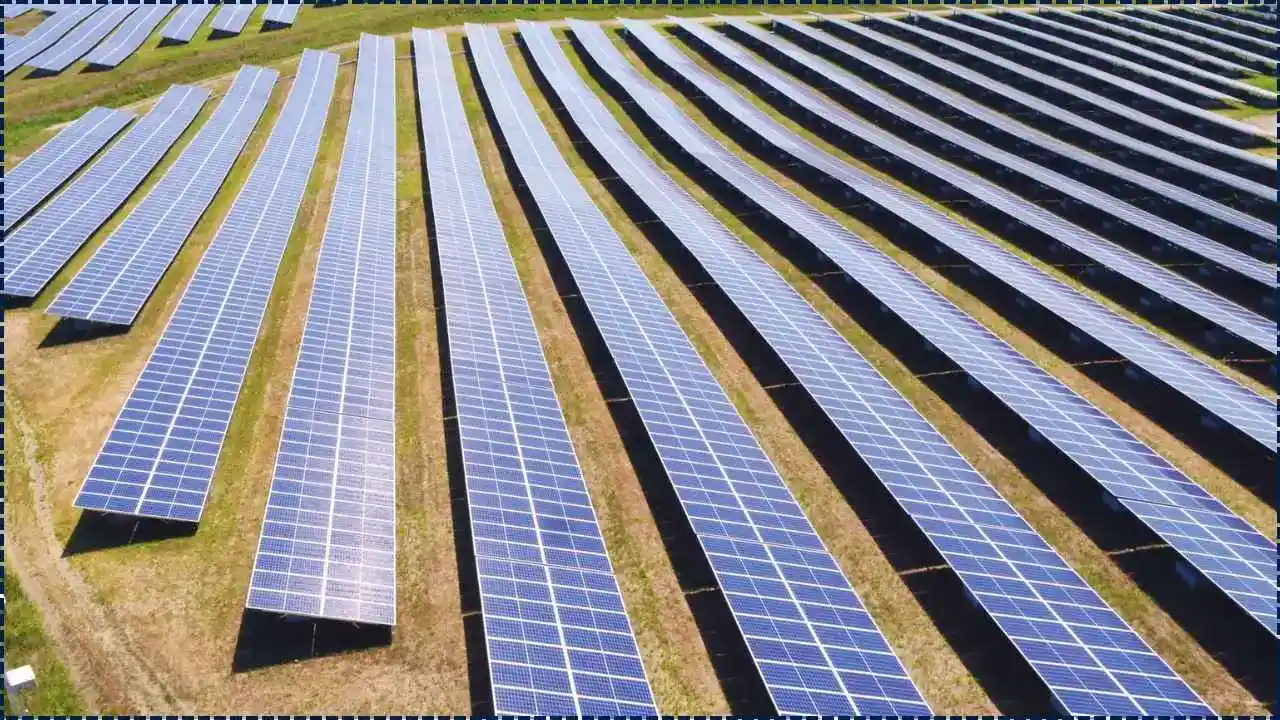
Solar power systems in northern Canada are typically deployed as hybrid microgrids. These systems combine solar panels, battery storage, and diesel generators to ensure consistent electricity supply.
During periods of sunlight, solar panels generate electricity that powers homes and community facilities. Excess energy is stored in batteries, which can be used when solar production drops.
Diesel generators remain part of the system, particularly during winter months when daylight hours are limited. However, their usage is significantly reduced compared to traditional systems.
This hybrid approach balances reliability with sustainability, making it a practical solution for remote regions with extreme climates.
Case Studies: Communities Leading the Transition
Several Indigenous communities have emerged as early adopters of solar energy systems.
Fort Chipewyan, Alberta
A large solar installation has reduced diesel consumption substantially, cutting fuel use by hundreds of thousands of liters annually. The project demonstrates how renewable energy can offset a meaningful share of demand.

Old Crow, Yukon
This community operates one of the most advanced solar-battery systems in northern Canada. During peak sunlight, diesel generators can be shut off entirely, showcasing the potential of hybrid systems.
Emerging Projects
Additional projects are underway across northern territories, supported by federal funding and Indigenous-led planning initiatives. These projects vary in scale but share a common goal: reducing diesel reliance while improving energy resilience.
Economic Implications: Costs, Savings, and Investment
The financial case for the Diesel-to-Solar Shift is complex.
Upfront Investment
Solar infrastructure, including panels, batteries, and grid integration, requires significant initial capital. Remote construction costs are often higher due to transportation challenges.
Long-Term Savings
Despite high upfront costs, renewable systems reduce ongoing fuel expenses. Over time, communities can achieve cost stability and lower overall energy expenditures.
Funding and Partnerships
Government grants, public-private partnerships, and Indigenous investment models play a crucial role in financing projects. Federal programs have allocated substantial funding to support clean energy transitions in remote communities.
Environmental and Climate Impact
Replacing diesel with solar energy reduces greenhouse gas emissions and lowers the risk of environmental contamination. Diesel spills during transport or storage can damage sensitive northern ecosystems, including waterways and wildlife habitats. Reducing fuel shipments decreases these risks significantly.
The transition also contributes to Canada’s broader climate goals, including commitments under international agreements to reduce emissions and achieve net-zero electricity generation.
Social Impact: Community Development and Well-Being
Beyond economics and environment, the Diesel-to-Solar Shift has important social implications.
Job Creation
Renewable energy projects create employment opportunities in construction, technical operations, and system management.
Skill Development
Training programs help build local expertise, reducing dependence on external contractors and fostering long-term capacity.
Improved Quality of Life
More reliable and affordable energy systems can support better housing, healthcare services, and digital connectivity in remote communities.
Challenges That Remain
Despite progress, several barriers continue to affect the pace of transition.
Seasonal Limitations
Long winter periods with limited sunlight reduce solar output, requiring continued reliance on diesel backup systems.
Infrastructure Gaps
Many communities lack the infrastructure needed to support large-scale renewable deployment.
Financing Constraints
While funding is available, securing sufficient investment for large projects remains challenging.
Governance and Equity Issues
Experts warn that projects must remain community-driven to avoid repeating past patterns of external control. Ensuring equitable participation and benefits is essential for long-term success.
Global Significance
The Diesel-to-Solar Shift in northern Canada is increasingly viewed as a model for other remote and off-grid regions worldwide. Countries with isolated communities—such as Arctic nations and island states—face similar challenges with diesel dependence.
International energy organizations have highlighted decentralized renewable systems as a key solution for improving energy access and resilience.
Related Links
Best US Solar ETFs to Invest in 2025
Why Alberta is Canada’s Solar Powerhouse: The Surprising Success in the Frozen North
While diesel remains part of northern Canada’s energy systems, the trajectory is shifting. With continued investment and Indigenous leadership, the Diesel-to-Solar Shift is expected to expand, offering a pathway toward cleaner, more resilient, and locally controlled energy solutions in remote regions.
FAQs
Why is diesel still used in these communities?
Diesel provides reliable power during winter months when solar generation is limited.
How much diesel can solar replace?
In some communities, solar systems offset up to 20–25% of annual diesel use.
Who funds these projects?
Funding comes from federal programs, Indigenous organizations, and partnerships with private companies.
Is this transition happening quickly?
Progress is steady but gradual due to logistical, financial, and environmental challenges.