

The Section 25D vs 48E distinction has become central to U.S. solar policy in 2026, as federal incentives shift away from homeowner ownership toward business-led models.

While the 30% solar tax credit has ended for individuals installing systems, it remains available through commercial provisions, meaning leased solar systems still benefit—reshaping how Americans adopt rooftop energy.
Section 25D vs 48E
| Key Fact | Detail |
|---|---|
| Section 25D | Ended for residential ownership after Dec 31, 2025 |
| Section 48E | Continues for commercial/third-party ownership |
| Key shift | Leasing replaces ownership as incentive-driven model |
Understanding the Section 25D vs 48E: Section 25D vs 48E
Section 25D: The Homeowner Credit (Now Ended)
Section 25D of the Internal Revenue Code allowed individuals to claim a 30% tax credit on solar installation costs for residential properties. This provision:
- Reduced upfront costs significantly
- Drove widespread rooftop solar adoption
- Was extended multiple times before its early termination
As of 2026, this credit no longer applies to newly installed homeowner-owned systems.
Section 48E: The Business Credit (Still Active)
Section 48E, part of the Investment Tax Credit (ITC) framework, applies to businesses and third-party system owners. It is considered a “technology-neutral” clean energy credit introduced under updated federal policy.
Unlike 25D, it:
- Remains active beyond 2025
- Applies to companies owning solar assets
- Supports both utility-scale and distributed solar
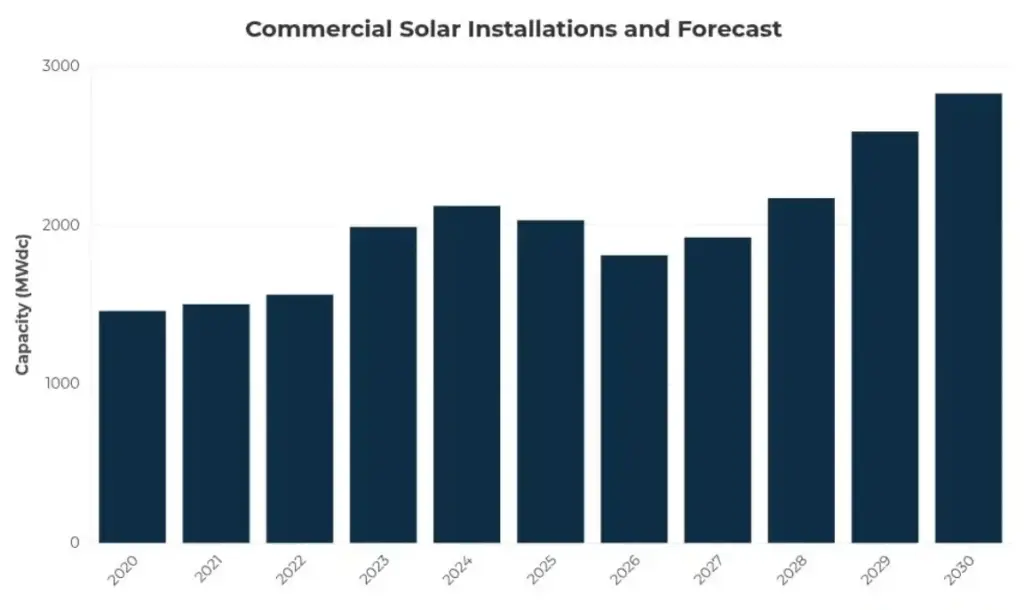
Why Only Leased Solar Systems Qualify in 2026
Ownership Is the Deciding Factor
The tax code distinguishes eligibility based on ownership—not usage.
- Homeowner owns system → Section 25D → no longer available
- Company owns system → Section 48E → still eligible
This is why leasing works.
How Leasing Unlocks the Credit
In a lease or Power Purchase Agreement (PPA):
- The solar company installs and owns the system
- The homeowner pays for electricity or usage
- The company claims the 30% tax credit
This structure allows incentives to continue—just not directly to the homeowner.
Legal and Policy Framework Behind the Shift
IRS Interpretation and Tax Structure
According to federal tax rules, credits like 25D are tied to individual tax liability, while 48E is tied to investment in energy-producing assets. This means:
- Individuals must own the asset to claim 25D
- Businesses can claim 48E regardless of who uses the electricity
Transition to Technology-Neutral Credits
Section 48E represents a broader policy shift:
- From solar-specific subsidies
- To technology-neutral incentives (solar, wind, storage, etc.)
This aligns with long-term decarbonization goals.
Financial Comparison: Buying vs Leasing in 2026
Ownership Model (No Tax Credit)
- System cost: $18,000–$25,000
- Tax credit: $0
- Payback: 10–12 years
Leasing Model (Indirect Benefit)
- Upfront cost: $0 or low
- Monthly payments: fixed or usage-based
- Tax credit: claimed by company
Hidden Trade-Offs of Leasing
While leasing benefits from tax credits, it also comes with limitations:
Key Risks
- Lower lifetime savings compared to ownership
- Long-term contracts (15–25 years)
- Limited control over system upgrades
Energy analysts note that leasing prioritizes affordability over long-term financial return.
Regional Impact: Not All States Are Equal
The impact of losing Section 25D varies significantly by state.
High-Impact States
- California
- Arizona
- Texas
These states have high solar adoption rates and strong sunlight exposure.
Lower Impact States
- Regions with lower electricity costs
- States with limited solar infrastructure
State-level incentives may offset federal changes in some areas.
Market Impact: A Structural Shift
Rise of Subscription Energy
The solar market is increasingly moving toward:

- Subscription-style energy models
- Third-party ownership structures
- Bundled solar + battery offerings
Industry Response
Solar companies are:
- Expanding leasing programs
- Reducing focus on ownership sales
- Investing in financing solutions
Some firms are restructuring to adapt to reduced residential demand.
Expert Perspectives: A Divided View
Supporters of the Change
“The industry is mature enough to operate without direct homeowner subsidies,” said an energy economist.
Critics
“This shift may slow adoption among middle-income households,” said a renewable energy policy analyst.
The debate reflects broader tensions between fiscal policy and climate targets.
Global Context: How the U.S. Compares
In Europe:
- Countries like Germany offer direct subsidies and feed-in tariffs
In contrast, the U.S. is shifting toward:
- Market-driven adoption
- Private-sector financing
This makes the U.S. model more dependent on corporate investment.
Future Outlook
Policy experts suggest several possible developments:
- Targeted incentives for lower-income households
- Expansion of state-level rebates
- Greater focus on grid resilience and storage
The long-term direction remains tied to national climate commitments.
Related Links
Bifacial Solar Technology: How Snow Reflection Can Boost Energy Yield by 30%
The Diesel-to-Solar Shift: How Indigenous Communities are Powering Northern Canada
The Section 25D vs 48E divide explains a fundamental shift in U.S. solar policy. While homeowners no longer receive direct tax credits in 2026, incentives persist through commercial structures, making leasing the primary pathway for cost-effective adoption.
How quickly the market adapts—and whether new policies emerge—will determine the pace of residential solar growth in the years ahead.
FAQs
Why is Section 25D no longer available?
It was phased out under revised federal policy to reduce direct subsidies to homeowners.
Why does leasing still qualify?
Because the solar company owns the system and claims the credit under Section 48E.
Is leasing better than buying now?
Leasing is often more accessible, but ownership may still provide greater long-term savings.
Will federal incentives return?
Future policy changes are possible, especially if adoption slows.